Aeroponic Farming
Lettuce in mist, kale in air, tomatoes without soil — the farm of the next decade fits inside a warehouse.
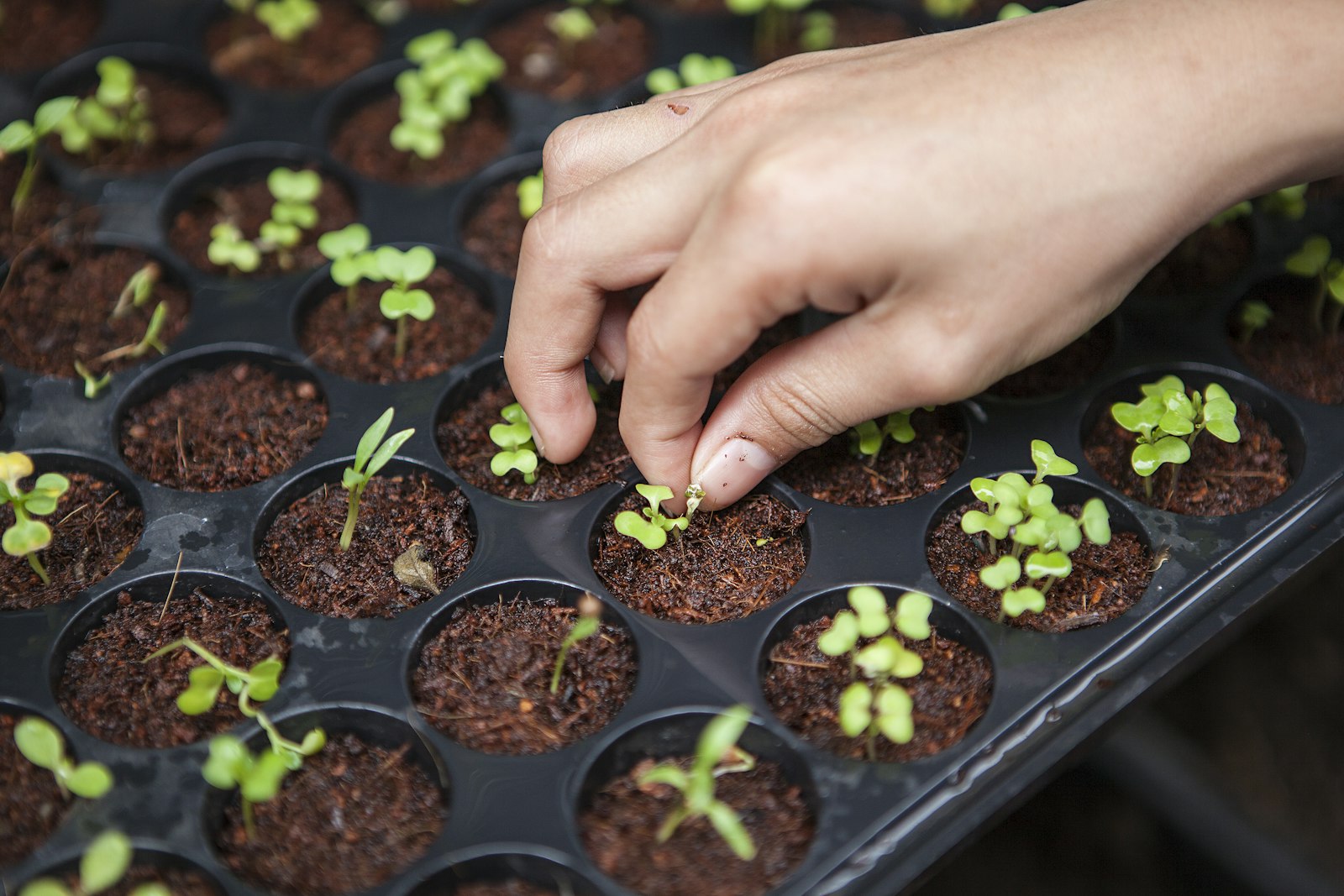
Aeroponics is the most water-efficient form of agriculture ever developed. Plant roots hang in chambers and are misted with a precisely-calibrated nutrient solution. No soil, no media, no flood. Originally developed by NASA for spaceflight food systems, it has matured into a commercial technology for leafy greens, herbs, strawberries and seed potato production.
India faces a structural collision between urbanisation, groundwater depletion and food demand. Bengaluru, Hyderabad, Mumbai and Delhi already import most of their salad greens and premium herbs from distant farms or overseas. Restaurants pay ₹400–600/kg for imported lettuce that arrived three days ago. There is a city-scale opportunity for hyper-local, indoor, climate-controlled produce.
BIDUA Industries is exploring an aeroponic farming venture — modular vertical farms positioned at the edge of metros, supplying premium hotels, restaurants, retail chains and direct-to-consumer subscriptions. Status: idea stage. Pilot facility feasibility expected 2027.
Aeroponics doesn't fight Indian agriculture's biggest problems — water, land, climate — it sidesteps them. The crops grow in air. The water is recycled. The harvest does not wait for the monsoon.
The opportunity, on its own terms.
Urban groundwater is collapsing.
Bengaluru, Chennai and Delhi all face acute water stress. Aeroponics uses 90% less water than soil farming — a strategic fit for the next decade of Indian urban policy.
Premium F&B and retail underserved.
Five-star hotels, cloud kitchens, gourmet retail and quick-commerce all want consistent year-round supply of basil, microgreens, lettuce, strawberries. Current supply chains are fragmented and seasonal.
Land-light, capex-front-loaded.
Aeroponics replaces acres with stacked towers. A 5,000 sq ft warehouse can outproduce a 5-acre farm for many leafy greens. Easier to scale in the urban periphery than traditional farms.
Tech stack matches BIDUA capabilities.
IoT sensors, climate control, computer-vision crop monitoring — all areas where BIDUA Hosting and PersistIP already have infrastructure expertise.
Sized in three rings.
- Premium hotels pay ₹400–700/kg for imported lettuce and herbs.
- Quick-commerce platforms (Zepto, Blinkit, BBNow) demand consistent year-round supply.
- Microgreens and edible flowers retail at ₹600–1,500/kg.
- Aeroponic seed potato production is a high-margin export category.
How it works, end to end.
Metro-edge facilities
BIDUA leases warehouse space in the periphery of Bengaluru, Hyderabad and NCR. Modular aeroponic systems (tower-based and horizontal-tray) are installed inside climate-controlled environments.
B2B-first sales
Primary channel is direct supply to five-star hotels, cloud kitchens and premium restaurants. Daily harvest-to-delivery within 12 hours. Pricing premium justified by freshness and consistency.
Quick-commerce partnership
Co-branded SKU partnerships with Zepto, Blinkit and BigBasket Now for greens, herbs and microgreens. Premium positioning, traceable origin.
Technology stack
IoT sensors monitor temperature, humidity, pH, EC and root mist. Computer-vision cameras flag plant-health anomalies. Stack co-built with BIDUA Hosting and PersistIP infrastructure.
Vertical integration
Naploo hospitality properties become both customers and showcases. In-property demonstration farms create marketing and direct supply simultaneously.
Three compounding phases.
Build & validate
- Pilot facility capex (~₹3–5 cr per site)
- Initial B2B contracts with hotels
- Microgreens premium retail
- PMKSY and other state subsidies
Multi-site rollout
- Hotel and cloud-kitchen daily contracts
- Quick-commerce co-branded SKUs
- Direct-to-consumer subscription boxes
- B2B training and consulting
Specialty crops
- Strawberries and premium berries
- Seed potato production (export)
- Medicinal herbs (tulsi, ashwagandha, brahmi)
- White-label facility-as-a-service for partners
Patient cadence, deliberate steps.
-
Q3 2027Site assessment in Bengaluru and Hyderabad metro peripheries. Technology partner shortlist.
-
Q1 2028First 5,000 sq ft pilot facility commissioned. Initial crop trials (lettuce, basil, microgreens).
-
Q3 2028First B2B contracts with hotels and cloud kitchens. Naploo internal supply begins.
-
2029Second metro facility (NCR). Quick-commerce partnerships go live.
-
2030–2031Expansion to specialty crops (strawberries, seed potato). Third facility opened.
-
2032Three operational facilities. Total ~30,000 sq ft. Branded retail launch in select markets.
Who else is here — and why we're different.
- Anchor demand from Naploo hospitality properties.
- BIDUA Hosting + PersistIP infrastructure provides built-in IoT and cloud stack.
- FinWault-backed subscription billing and traceability layer.
- Aeroponic vs hydroponic — meaningful efficiency edge on water and yield density.
What can go wrong — and how we plan for it.
High initial capex
Mitigation: Modular phased buildout. Lease equipment where possible. Prioritise high-value crops to recover capex faster.
Power dependency (24x7 LED + climate control)
Mitigation: Rooftop solar + grid hybrid. Battery backup for critical mist cycles. Energy-efficient LED selection.
Crop disease in closed environment
Mitigation: Strict biosecurity protocols, modular containment, regular system sanitisation, multi-zone facility design.
Premium pricing acceptance
Mitigation: B2B-first revenue. Quality, freshness and consistency story carries pricing — not retail novelty alone.
Operational expertise gap
Mitigation: Hire agronomy lead with indoor-farming background. Partner with technology vendor for initial 2-year operational handover.
Connected BIDUA divisions.
Every BIDUA bet feeds something else in the group. This one connects to:
 Live
Live
Naploo™ Smart Pod Hotels
Anchor customer — daily greens and herbs supply for hospitality F&B; demonstration farms inside select properties.
naploo.com Live
Live
BIDUA Hosting
Cloud infrastructure for the facility IoT and climate-control telemetry stack.
biduahosting.com Live
Live
PersistIP
Networking and edge connectivity for multi-site sensor and computer-vision deployment.
ip.bidua.in
Questions partners and investors actually ask.
How is aeroponics different from hydroponics?
Hydroponics submerges roots in nutrient water. Aeroponics suspends roots in air and mists them — using less water, achieving higher oxygenation and typically faster growth and higher yields per square foot.
What crops will the pilot grow?
Initial focus: lettuce, basil, microgreens, leafy greens. Year 3+: strawberries, herbs, edible flowers. Year 5+: seed potato and medicinal herbs.
Who are the customers?
Five-star hotels, cloud kitchens, premium restaurants, quick-commerce platforms (Zepto, Blinkit, BBNow), and a small direct-to-consumer subscription channel.
What is the expected payback?
Modelling suggests facility-level payback in 4–6 years with steady-state EBITDA margins of 22–30% depending on crop mix and contract pricing.
Is it organic-certified?
Aeroponic systems use mineral nutrient solutions. Organic certification is possible under newer Controlled Environment Agriculture standards in the US/EU, but Indian organic certification rules are still evolving for soil-less systems.
Power and water costs?
Water is ~10% of conventional farming. Power is the main opex — partially offset by rooftop solar, off-peak grid tariffs and efficient LEDs.
Where will the first facility be?
Likely Bengaluru periphery — strong premium F&B demand, supportive state agri-tech policy, and proximity to Naploo and BIDUA group operations.
Is the project live today?
No — currently at idea stage. Site assessment expected Q3 2027.
Build the indoor farm Indian cities actually need.
BIDUA is pre-screening real-estate partners, hospitality buyers and capex investors for the 2028 aeroponics pilot in Bengaluru.