CNC Machine for Furniture Design
CNC routers turning plywood and solid wood into bespoke furniture in hours, not weeks. Carpenter optional.

The Indian custom furniture market is fragmented across lakhs of small carpenter workshops, each producing one wardrobe, one TV unit or one dining table at a time, by hand. Hand cutting introduces variance, slows production and limits design ambition. A CNC router — a computer-controlled wood-cutting and engraving machine — collapses days of work into hours, with sub-millimetre precision.
BIDUA's CNC for Furniture initiative is two-sided. First, an in-house CNC production line that supplies the BIDUA Pods division with engineered wood panels, joinery and decorative cutouts. Second, a CNC machine import-and-distribution business — bringing Italian, Chinese and Indian-OEM CNC routers, vacuum tables and dust collection systems to small and mid-sized furniture workshops across India.
This is not a fashionable bet. The BIDUA Pods plant already needs CNC capability. Every Indian furniture workshop with revenue above ₹50 lakh/yr will buy a CNC machine in the next decade. Owning both the operating playbook and the distribution channel is the play.
A skilled carpenter makes one wardrobe in twelve days. A CNC router makes the same wardrobe in four hours. The carpenter doesn't disappear — he stops cutting and starts designing, assembling and finishing. That is the real promotion.
The opportunity, on its own terms.
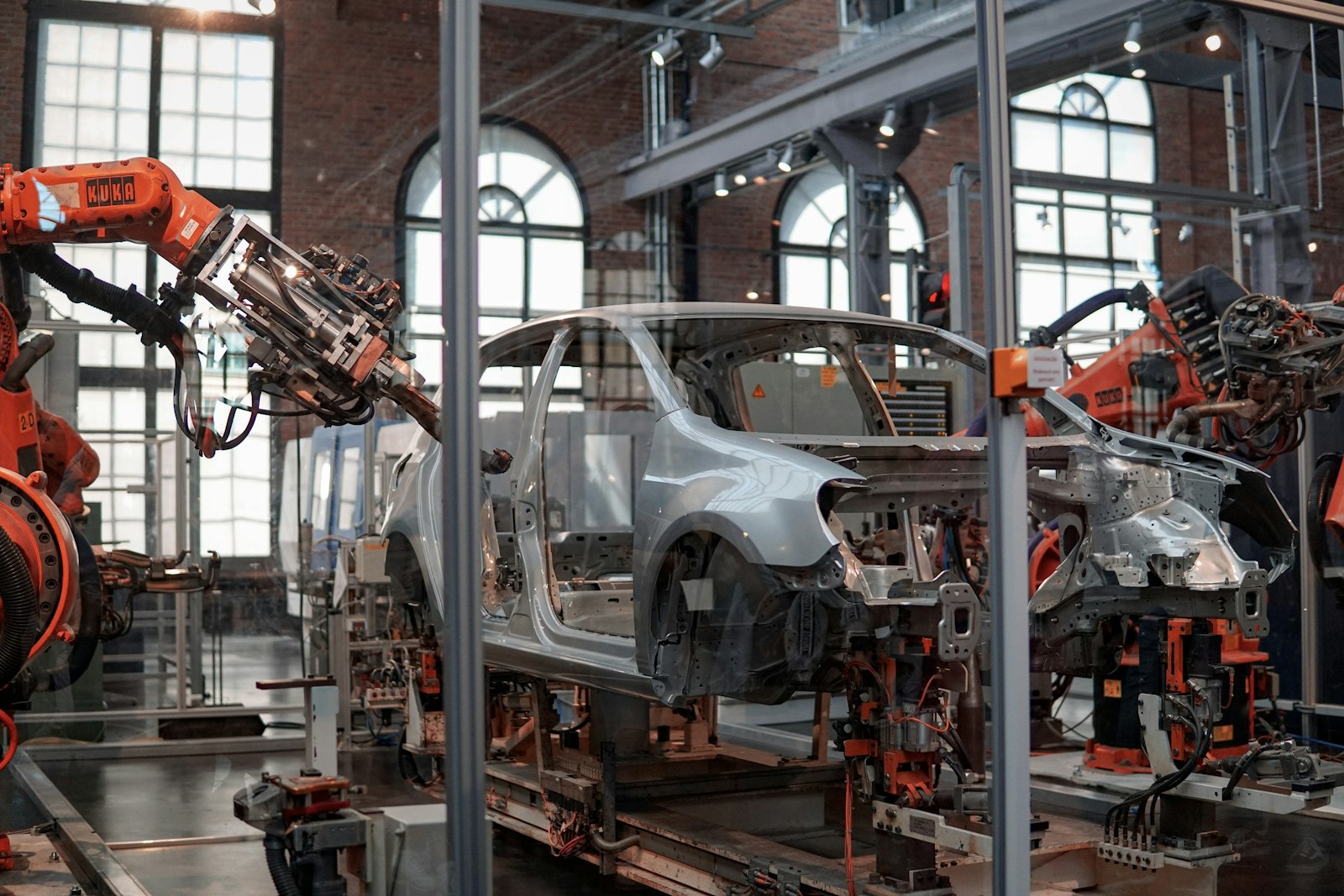
BIDUA Pods needs in-house CNC.
Outsourced CNC routing for pod interiors currently runs ₹35–₹60 per sq ft with a 7–10 day lead time. In-house brings cost to ₹15–₹22 and lead time to 24 hours.
CNC capex has fallen 40% in five years.
Chinese mid-tier CNC routers that cost ₹40 lakh in 2019 now land at ₹22–₹25 lakh including duties. The entry point for a mid-sized workshop is genuinely affordable now.
Custom furniture demand is exploding.
Livspace, HomeLane, IKEA's modular kitchens and a wave of D2C furniture brands are all dependent on CNC-driven manufacturing. The downstream demand for trained CNC operators and machines is structural.
Skilled carpenter shortage in metros.
Master carpenters are scarce and expensive. CNC routers let a workshop owner deploy semi-skilled labour for cutting and reserve the master carpenter for assembly, finishing and design.
Sized in three rings.
- A single 3-axis CNC router throughput equals 4–5 manual carpenters at one-third the labour cost per panel.
- BIDUA Pods alone consumes ~3 lakh sq ft of CNC-routed panels per year — meaningful captive demand.
- AMC and consumables revenue (router bits, vacuum gaskets, software updates) is a sticky 18–25% margin annuity.
- Training and operator certification programmes monetise the skill gap that holds many workshops back.
How it works, end to end.
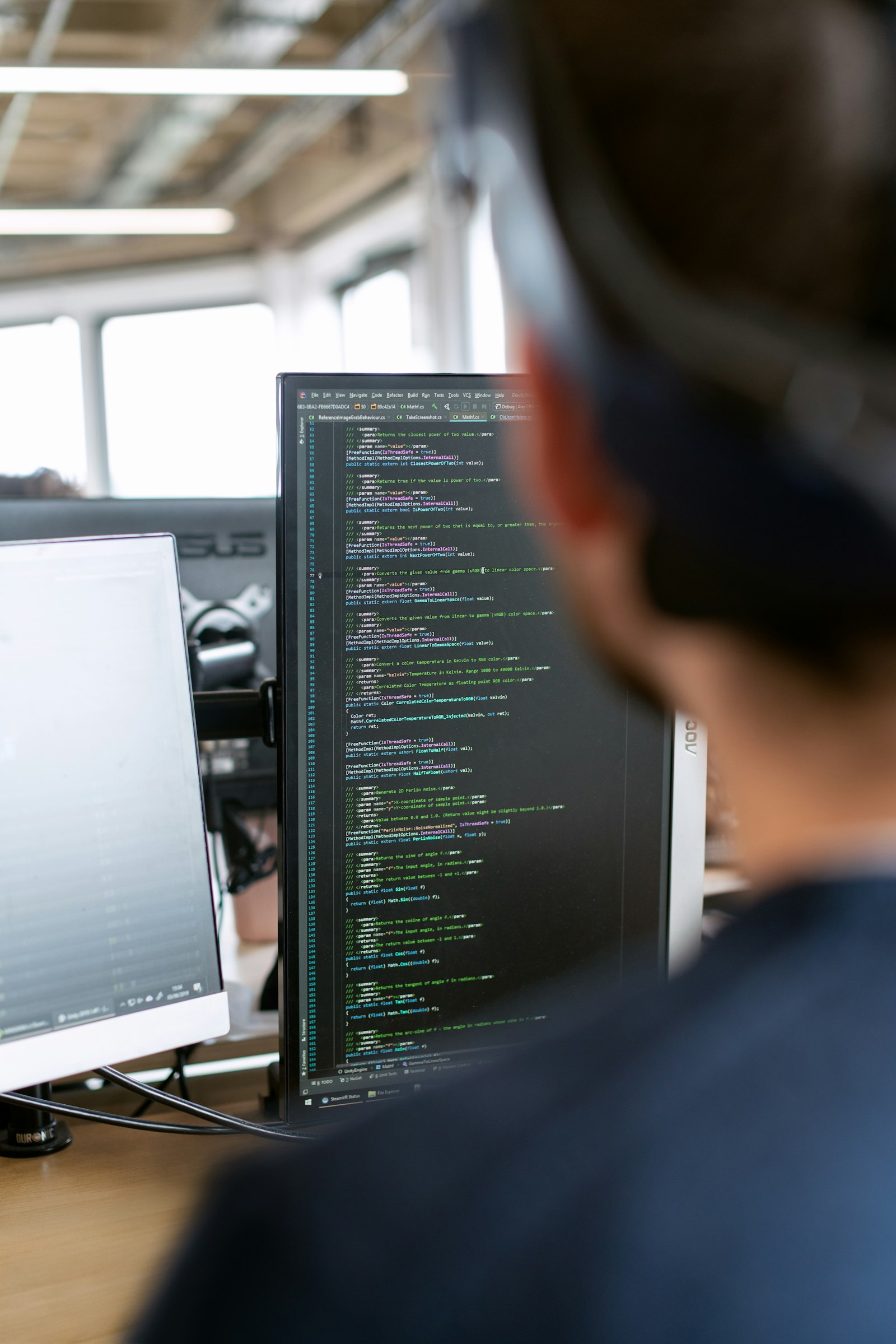
Captive production line
BIDUA installs a 2-machine CNC line at the BIDUA Pods plant — one 3-axis router for flat panels, one 5-axis router for curved and 3D components. Captive output for pod interiors, partitions and joinery.
Machine distribution
BIDUA becomes the India distributor for at least one Italian (premium) and one Chinese (mid-tier) CNC OEM. Stock kept in Noida and Bengaluru warehouses for sub-30-day delivery to customers.
Installation and training
Every machine sold includes a 5-day installation, calibration and operator training package. Premium customers get a 30-day on-site engineer. Training fee bundled into the machine price but accounted separately for unit economics.
Spares, consumables and AMC
Router bits (₹2,000–₹15,000 each, consumed weekly), vacuum table gaskets, dust collection filters, software licences. Annual maintenance contracts at 5–8% of machine value. The annuity that funds the business between machine sales.
Custom CNC services
Workshops that cannot yet afford a machine can send drawings to BIDUA for per-job CNC routing. Per-sq-ft pricing with same-week turnaround. This converts long-tail demand into recurring service revenue and builds the customer pipeline for machine sales.
Three compounding phases.
Captive line + first machines
- Captive output for BIDUA Pods
- First 20–30 machines distributed
- Installation and training revenue
- Service-bureau CNC routing
Distribution scale
- 100+ machines/yr distributed
- AMC and consumables annuity
- Multi-city service warehouses
- Operator certification programme
Software and ecosystem
- Proprietary CAM software for Indian furniture standards
- Financing partnerships for machine purchase
- Used / refurbished machine resale
- OEM partnerships for branded CNC under BIDUA name
Patient cadence, deliberate steps.
-
Q2 2027First 3-axis router installed at BIDUA Pods plant. Captive output replaces 60% of outsourced CNC.
-
Q4 2027Distribution agreement signed with at least one Italian premium OEM and one Chinese mid-tier OEM.
-
Q2 2028Showroom and demo facility opens in Noida. Service-bureau CNC routing launches.
-
Q4 20285-axis router added to the captive line. 25 machines distributed across NCR.
-
2029–2030Expand distribution to Bengaluru, Hyderabad and Pune. Operator certification programme launches with ITI partnerships.
-
2031300 machines/yr distribution target. Branded BIDUA CNC line launched with an OEM partner.
Who else is here — and why we're different.
- Captive use at BIDUA Pods plant — every machine we sell, we have operated ourselves.
- Multi-city service warehouses solve the single biggest pain point Indian CNC buyers face — service downtime.
- Operator certification programme creates the trained workforce that makes the machine actually useful.
- Service-bureau model lets us serve customers before they are ready to buy.
What can go wrong — and how we plan for it.
Currency volatility on imported machines
Mitigation: Forward currency contracts on machine orders. Multi-OEM sourcing across geographies.
Skilled CNC operator shortage
Mitigation: ITI partnerships, in-house operator certification course, hand-holding period bundled with every machine sale.
Service downtime hurts customer reputation
Mitigation: Spares stocked in every regional warehouse. 48-hour SLA for breakdown response. Service engineers under direct BIDUA payroll, not outsourced.
Capex barrier for small workshops
Mitigation: Financing partnership with NBFCs for machine loans. Lease-to-own structures. Refurbished machines for entry-level buyers.
Competing OEMs build direct presence
Mitigation: Lock in exclusivity by territory with OEM partners. Build BIDUA-branded line that we control end-to-end.
Connected BIDUA divisions.
Every BIDUA bet feeds something else in the group. This one connects to:
Questions partners and investors actually ask.
What is a CNC router and why does my workshop need one?
A CNC (Computer Numerical Control) router is a computer-controlled cutting machine that takes a digital drawing and cuts plywood, MDF or solid wood with sub-millimetre precision. It replaces manual hand-cutting and circular-saw work, making your workshop 4× faster and dramatically more consistent.
How much does a CNC machine cost?
Entry-level 3-axis routers from Chinese OEMs start around ₹15–₹22 lakh. Mid-tier machines run ₹30–₹45 lakh. Premium Italian and German 5-axis machines range from ₹60 lakh to ₹1.5 cr.
What about training my carpenters to use it?
Every machine includes a 5-day operator training package. We also run a separate paid certification programme for workshops sending multiple operators.
How long does delivery take?
Stock machines in our Noida warehouse deliver in 15–25 days including installation. Custom-spec machines from OEMs take 60–90 days.
What if the machine breaks down?
AMC customers get a 48-hour breakdown response SLA. Common spares (router bits, vacuum gaskets, motors) stocked in every regional warehouse. Service engineers are on BIDUA payroll, not outsourced.
Can I get financing?
Yes — we have partnerships with NBFCs for machine loans, typically 60–72 month tenors. Lease-to-own and refurbished-machine options are also available for first-time buyers.
Will BIDUA Pods use the CNC line internally?
Yes — the captive line at BIDUA Pods plant is the first installation. Every machine we distribute is also one we operate ourselves. We sell from experience.
Do you provide CAM software too?
Yes — every machine ships with an industry-standard CAM software bundle (Aspire, ArtCAM or Vectric). Operator training covers the software end-to-end.
Bring CNC precision to your workshop.
We are scoping the BIDUA Pods captive line and the distribution arm for 2027. Furniture workshops, interior contractors and OEM partners — let's talk.