Content Studio & Zoom Meeting Rooms
Soundproof studios and Zoom-ready rooms — rented by the hour, run like a hotel.
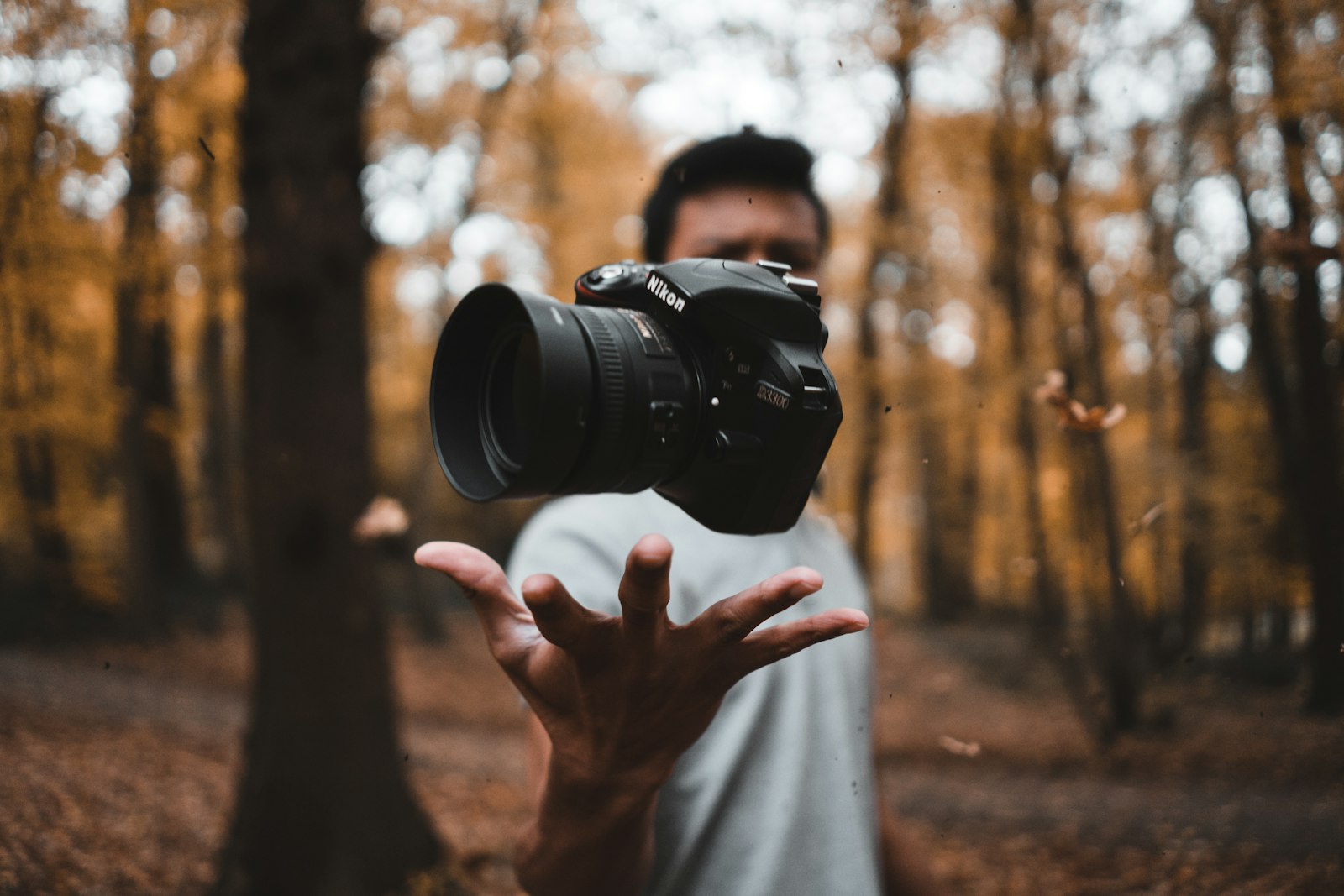
India's creator economy crossed 8 crore active creators in 2025, and the country added more than 2 lakh registered podcasts and YouTube channels in the last twelve months alone. Yet the physical infrastructure that this economy depends on — quiet rooms, controlled lighting, broadcast-grade audio — is still improvised out of bedrooms, co-working corners and noisy cafés.
On the corporate side, hybrid work has made the high-stakes Zoom call a permanent fixture. Senior executives joining board calls from echoing hotel rooms, salespeople pitching enterprise deals over wobbly Wi-Fi, founders recording investor updates on phone cameras — every one of them is a potential customer for a room that just works.
BIDUA's proposal is a network of small-footprint, premium content studios and soundproof Zoom rooms — rented by the hour, bookable through an app, run with the discipline of a hospitality brand. Think OYO meets WeWork, but purpose-built for the camera and the microphone.
The creator economy doesn't need bigger houses or louder cafés. It needs a quiet, well-lit, acoustically-treated room you can book in three taps — and walk out of with footage that doesn't need an apology.
The opportunity, on its own terms.
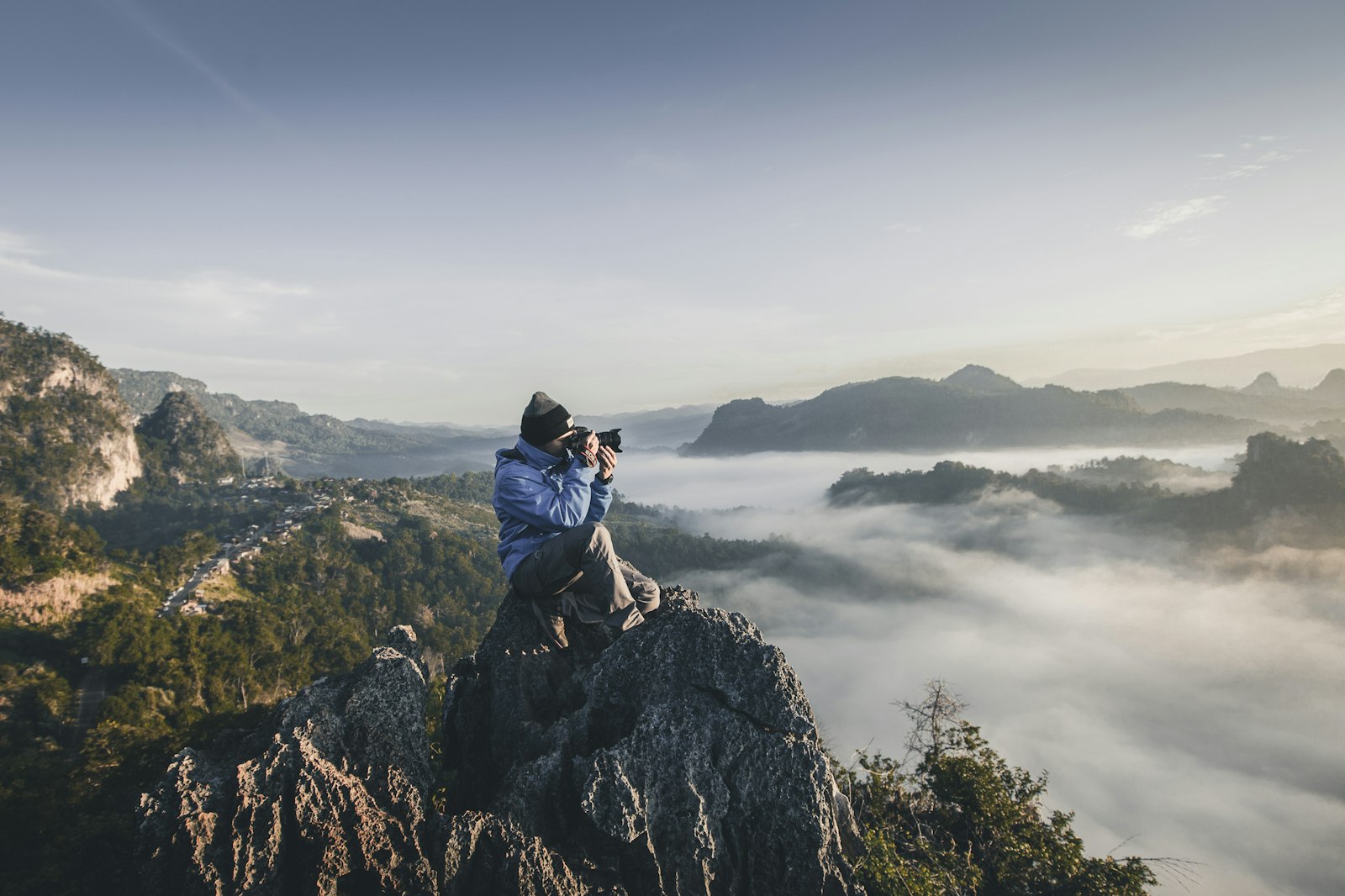
The creator economy is now an infrastructure market.
India minted over 8 crore creators by 2025. Even 1% of them needing one paid studio hour a month is a 9.6 crore session annual TAM — and that math ignores brands, agencies and corporates entirely.
Hybrid work made the Zoom room a real product category.
Boardroom-grade video calls from a personal laptop are now a daily event for lakhs of Indian professionals. The room they take that call from is currently the bottleneck.
Studio CapEx has collapsed.
A broadcast-quality studio that cost ₹40–60 lakh in 2018 can be built for ₹8–12 lakh in 2026 thanks to LED panels, USB-C mixers, and modular acoustic treatment. The unit economics finally work at hourly pricing.
India still has no national brand for this.
There are excellent one-off studios in Bandra, Koramangala and Gurugram, but no chain that an out-of-town founder, an agency producer or a brand manager can book the same way they book an OYO.
Sized in three rings.
- Creators: India has 8+ crore active social creators; even casual professionalisation drives studio demand.
- Agencies & brands: D2C marketing teams need weekly UGC, reel and product shoots — currently outsourced to expensive production houses.
- Corporates: Hybrid-work executives need a reliable Zoom room near home; Tier-1 office leases don't justify dedicated studios.
- Education & coaching: EdTech faculty, online tutors, language coaches — all need recorded course content at scale.
How it works, end to end.
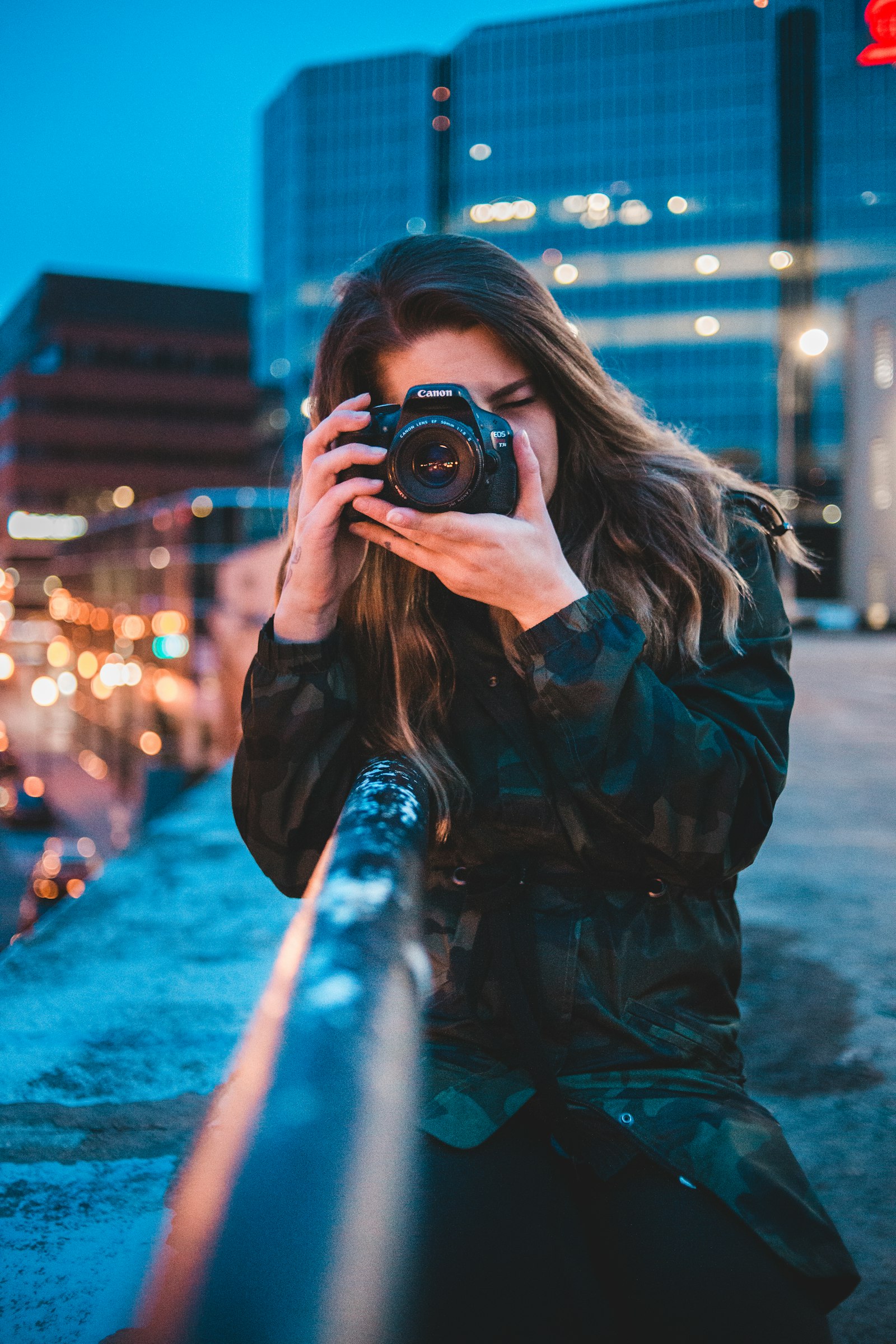
Two room types, one network
Each location runs a mix of (a) Content Studios — 200–400 sq ft, podcast desks, multi-cam setups, LED key lights, chroma walls — and (b) Zoom Rooms — 60–100 sq ft soundproof pods with a 4K webcam, ring light, ethernet and a comfortable chair. Same brand, same app, very different price points.
Hourly-first pricing
Expected pricing of ₹800–1,200 per hour for a Zoom Room and ₹1,800–2,500 per hour for a Content Studio. Half-day and full-day packages for production crews. Monthly memberships for high-frequency creators at a steep effective discount.
App-first operations
No reception, no manual key handover. Booking, payment, OTP-based door unlock, equipment check-in and check-out — all in one app. Cleaning crew is dispatched between bookings via the same workflow Naploo uses for property turnover.
Add-on revenue layer
Optional in-room services: on-call audio engineer, video editor handoff, teleprompter operator, makeup touch-up, hot beverages. Each priced as a marketplace add-on so the room rate stays simple and the per-booking ARPU climbs.
Hub-and-spoke real estate
Most rooms sit inside existing BIDUA Pods deployments, partner co-working spaces and Naploo properties — capital-light, plug-into-host-infrastructure. Only flagship studios are standalone leases.
Three compounding phases.
Validate
- Hourly room rentals
- Monthly creator memberships
- On-demand crew add-ons
- Brand shoot packages
Scale the network
- Multi-city corporate Zoom Room contracts
- Agency / D2C production retainers
- Education & EdTech bulk recording deals
- Equipment & set rental
Platform & licensing
- Franchise / managed-operator model in Tier-2 cities
- White-label room fit-outs for hotels and offices
- BIDUA Pods integrated studio modules
- Sponsored / branded studio partnerships
Patient cadence, deliberate steps.
-
Q3 2026Concept validation. Pilot a single 2-room location in Noida — one Content Studio, one Zoom Room — co-located inside an existing BIDUA office.
-
Q1 2027Booking app v1 ships on PersistIP infrastructure with OTP unlock, payment, and post-booking feedback. First 100 paying users onboarded.
-
Q4 2027Expand to Delhi NCR (3 sites), Mumbai (1 site) and Bengaluru (1 site). Cross 1,000 monthly bookings.
-
2028–2029Launch in Hyderabad, Pune, Chennai, Ahmedabad. Roll out the corporate Zoom Room product to enterprise customers via annual contracts.
-
2030Hit 40-studio target across 8 cities. Begin franchising the format into Tier-2 cities under BIDUA brand standards.
-
2031–2032Integrate Content Studio modules into BIDUA Pods factory line — sell turnkey studio pods to hotels, hostels, universities and corporates.
Who else is here — and why we're different.
- Hospitality-grade consistency — every room in the network looks, sounds and works the same.
- App-native operations — booking to door-unlock to payment in under 60 seconds, no front desk.
- Vertical integration with BIDUA Pods — our own manufacturing line builds the modular acoustic shells.
- Two products under one brand — covers the ₹800 Zoom call and the ₹2,500 podcast shoot from the same app.
What can go wrong — and how we plan for it.
Low utilisation in early months
Mitigation: Soft-launch with discounted memberships, partner with creator communities and agency networks, and locate first sites in existing high-foot-traffic BIDUA premises to avoid standalone rent risk.
Equipment theft or damage
Mitigation: ID-verified bookings via DigiLocker / Aadhaar, security deposit pre-authorisation, CCTV in common areas, locked equipment cabinets, and a flat damage waiver fee added to each booking.
Neighbour / society objections to foot traffic
Mitigation: Locate inside commercial premises only, restrict access hours to 7 AM–11 PM in residential-adjacent areas, and budget for full soundproofing so neighbours never hear what's being recorded.
Race-to-the-bottom pricing from aggregators
Mitigation: Compete on consistency, app experience and brand trust — not price. Pursue corporate Zoom Room contracts that aggregators cannot service at SLA quality.
Tech obsolescence (cameras, lights, mics)
Mitigation: Standardise on a refresh cycle every 24 months. Hardware costs are now a small share of total CapEx, so depreciation is manageable.
Connected BIDUA divisions.
Every BIDUA bet feeds something else in the group. This one connects to:
 Live
Live
BIDUA Pods
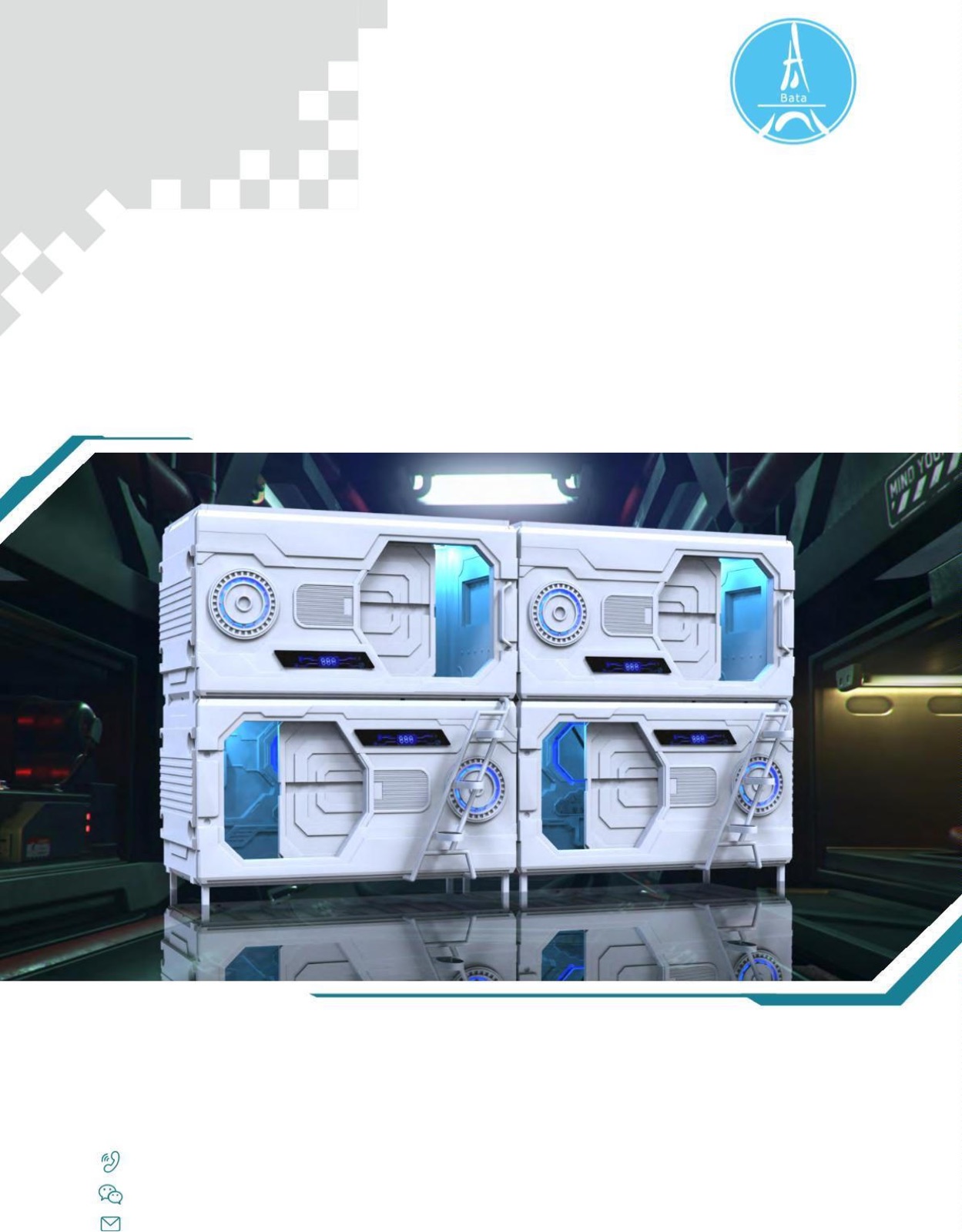
BIDUA Pods manufactures the modular acoustic shells, soundproofing and interior fit-out — every studio is essentially a giant pod.
biduapods.com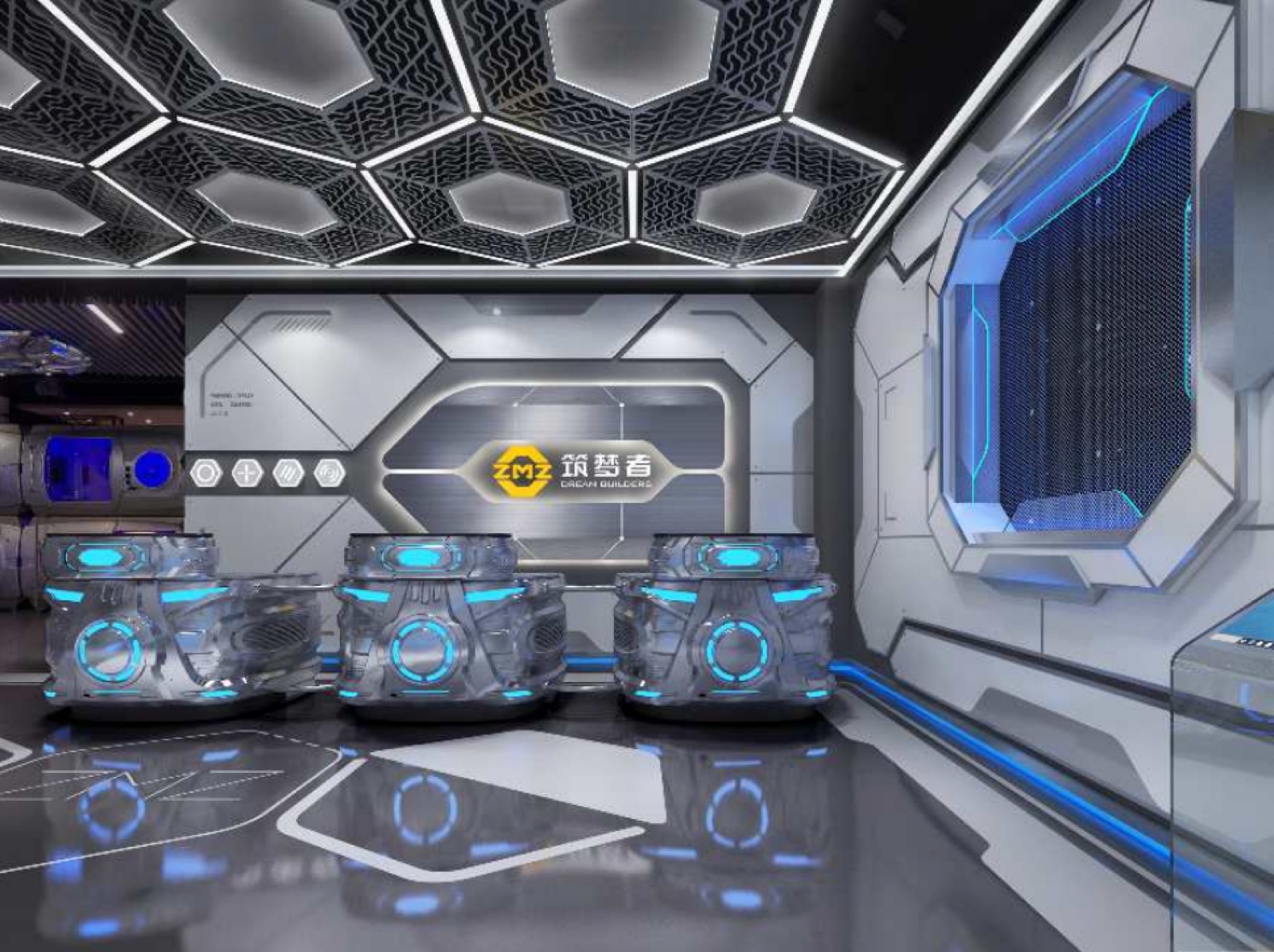 Live
Live
Naploo™ Smart Pod Hotels
Naploo's hospitality operations playbook — turnover cleaning, OTP entry, app-led check-in — maps directly to studio operations.
naploo.com Live
Live
BIDUA Hosting
BIDUA Hosting powers the booking app, video uploads, and cloud-storage handoff for creators leaving the studio with their footage.
biduahosting.com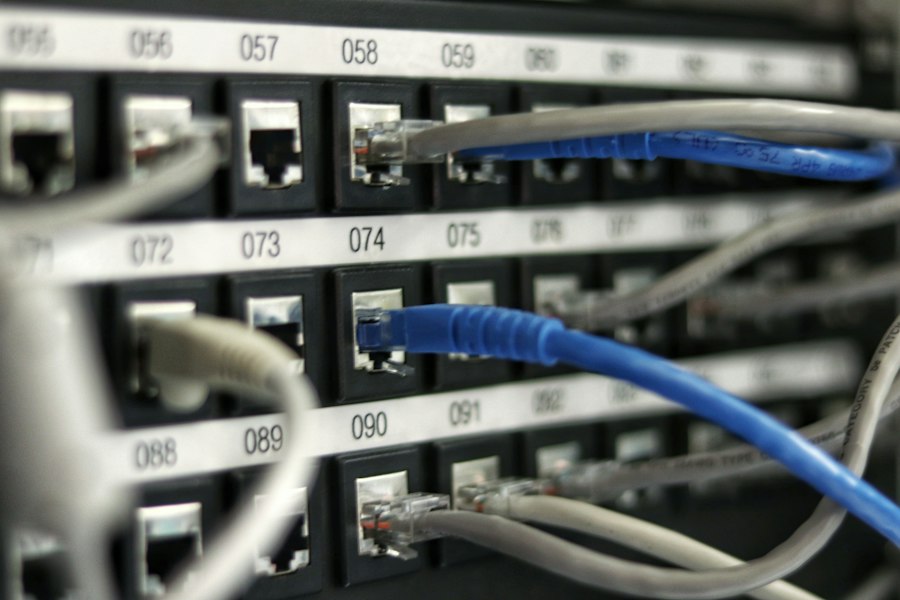 Live
Live
PersistIP
PersistIP supplies the SD-WAN and managed networking so every Zoom Room has guaranteed low-latency connectivity.
ip.bidua.in
Questions partners and investors actually ask.
Who is this for?
Three audiences. Creators (podcasters, YouTubers, reel-makers) who need quality recording space. Corporate professionals who need a reliable, soundproof room for important Zoom calls. Brands and agencies that need a quick, professional space for product shoots and UGC.
How is this different from a co-working meeting room?
Co-working rooms are designed for conversations, not cameras. Our rooms are acoustically treated, colour-corrected, evenly lit and equipped with broadcast-grade webcams, mics and ring lights as standard. You can walk in with just a laptop.
What does a booking actually look like?
Open the app, pick a location and a room type, select a time slot, pay, and you get a digital key. At the studio, OTP-unlock the door, use the equipment, and walk out when your time ends. The cleaning crew arrives automatically before the next booking.
What equipment is included?
Content Studios include a multi-cam setup, professional lights, podcast-grade microphones, monitors, chroma backdrop, and a basic edit station. Zoom Rooms include a 4K webcam, condenser mic, ring light, ethernet and a comfortable adjustable chair. All cables and adapters are stocked.
Can I bring my own gear?
Absolutely. Many creators bring their own cameras and mics. Our equipment is there as a baseline so even a first-time visitor can produce broadcast-quality work.
What is the cancellation policy?
Free cancellation up to 6 hours before the booking. After that, a 50% retention fee applies. No-shows are charged in full — the cleaning and prep crew has already been dispatched.
Will there be locations in Tier-2 cities?
Yes, but only from 2030 onward, and likely through franchise partners following BIDUA brand standards. Tier-1 cities come first because the unit economics are clearer there.
Can my company book a Zoom Room as a monthly contract?
Yes — that is the enterprise product. Companies can reserve guaranteed slot windows for executives across multiple cities under one annual contract, billed monthly. We expect this to be a significant share of revenue by Year 3.
Help us pick the first 5 cities.
We are pre-booking pilot members in Noida, Gurugram, Mumbai, Bengaluru and Hyderabad. Lock in a founding-member rate before the network goes live in 2027.