Diamond Mining
India has been mining diamonds since the Mughals. We forgot how to do it commercially. That is the opportunity.
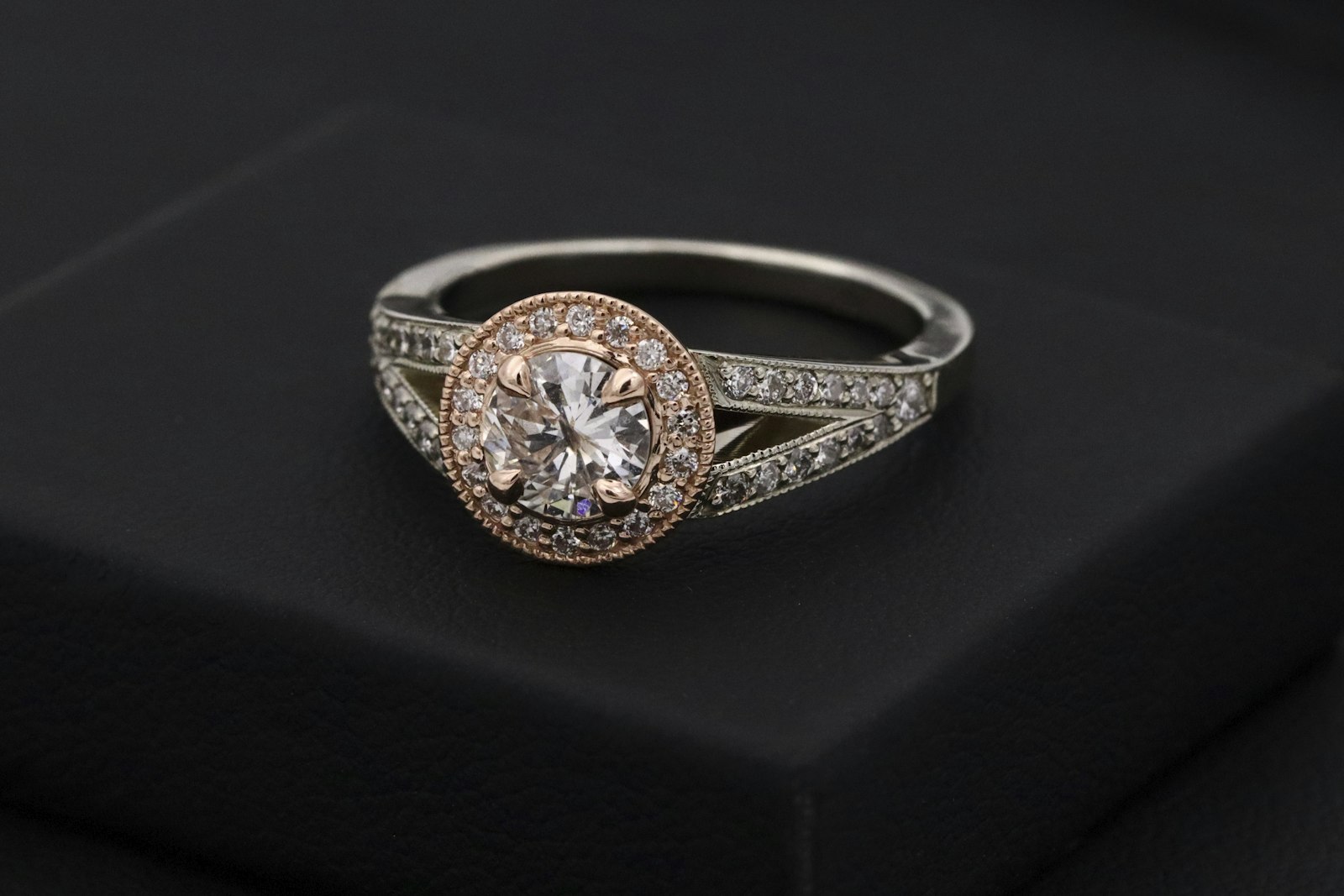
India was the original source of the world's diamonds. Golconda, Panna, the Koh-i-Noor — for almost two thousand years before South Africa, Russia and Botswana, Indian mines supplied the planet. Yet today, India produces less than 0.1% of global rough diamonds while processing nearly 95% of the world's polished stones. Surat cuts what Africa mines. The geology of the Panna Group, Wajrakarur, Mahbubnagar and Bunder kimberlites suggests this asymmetry is fixable — if a serious operator engages with the right partnerships, capital, and time horizon.
BIDUA Industries is exploring entry into Indian diamond mining as a long-duration, vertically-integrated venture: prospecting and lease participation in approved geological zones, joint ventures with state mining corporations, in-house cutting and polishing at Surat or in-house, and a downstream consumer brand for ethical Indian-mined diamonds. The thesis rests on four facts — proven kimberlite deposits, recent policy openings for private participation in critical and strategic minerals, India's existing cutting-polishing infrastructure, and a global appetite for traceable, conflict-free diamonds.
This is the longest-horizon idea in the BIDUA portfolio. Geological surveys take 3-5 years before a single lease is granted; commercial extraction is another 3-5 years beyond that; downstream brand value compounds over decades. It is a 15-year bet on India recovering a category it invented.
India cuts and polishes nearly every diamond the world wears. Almost none of them come out of Indian soil. We've been the workshop and not the mine — a 300-year accident the geology says we can correct.
The opportunity, on its own terms.
Strategic minerals policy has opened.
The Mines and Minerals (Development and Regulation) Amendment Act 2023 has reopened private participation in critical minerals exploration. Diamond exploration leases are again technically obtainable through transparent auction routes.
Lab-grown diamonds have not killed natural.
Despite the lab-grown surge, natural-diamond prices for high-quality stones remain firm because supply is genuinely constrained. Mined stones now command a 'natural premium' that lab-grown cannot replicate.
Traceability is the new luxury.
Post-Kimberley Process, the global market wants conflict-free, country-of-origin-verifiable stones. Indian-mined, Indian-cut, Indian-certified is a story global luxury buyers will pay extra for.
Existing cut-polish infrastructure means lower vertical integration cost.
Surat already has the machines and the labour. A new Indian mine doesn't need to build the back-end — it just needs to feed the existing chain with domestic rough.
Sized in three rings.
- Panna diamond mine (NMDC) — only commercial diamond mine in India today. Output trivial vs potential.
- Bunder project (Bundelkhand, Rio Tinto's abandoned deposit) — estimated 27.4 Mct resource. Currently with state government for re-auction.
- Wajrakarur (Andhra Pradesh), Krishna basin kimberlites — known but largely unexplored at commercial intensity.
- Surat cuts ~14 of every 15 diamonds polished globally — vertical integration with mining is a defensible India story.
How it works, end to end.
Exploration JV phase
Partner with state mining corporations and reputed geological consultancies for initial exploration in approved kimberlite zones. BIDUA contributes capital and project management; partners contribute geological data and licensing pathways. 60-70% of capital deployed in this phase is exploratory and may not yield.
Lease participation
Bid for diamond exploration and mining leases through MMDR auctions. Successful leases convert to long-term concessions (20-30 years). Lease ownership creates the underlying asset base for the entire venture.
Extraction and recovery
Commercial extraction requires kimberlite processing plants, X-ray separation, security infrastructure, and Kimberley Process certification. Cap-ex per producing mine: ₹400-1,200 cr depending on scale. Joint ventures with experienced operators (potentially Australian or African) at this stage.
Cutting and polishing integration
Rough output routes to Surat-based cutting partners initially, with potential in-house polishing capacity over time. India-mined, India-cut becomes the brand wedge for the downstream offering.
Branded retail and traceability
A downstream consumer brand for traceable Indian-origin diamonds — sold through luxury jewellers, D2C, and selected international retail channels. Blockchain-based provenance tracking, anchored on BIDUA Hosting infrastructure.
Three compounding phases.
Exploration
- Pre-exploration data partnership revenue (limited)
- Government grant participation for exploration
- Geological consultancy spinoffs
- Equity-investor capital deployment (cash flow negative)
Lease + early extraction
- Initial rough-diamond sales to Surat polishers
- Government royalty arrangements
- Joint-venture distributions if partnering with operators
- Carbon credit and ESG-linked financing
Vertical brand
- Direct rough sales to global tenders (Antwerp, Mumbai BDB)
- Polished diamond margin from integrated cutting
- Branded retail jewellery with India-origin premium
- Tourism and mine-experience revenue at heritage zones
Patient cadence, deliberate steps.
-
Q4 2027Geological partnership formalised; data analysis on 4-6 candidate kimberlite zones.
-
2028First exploration lease bids submitted under MMDR auction route.
-
2029-2030Active exploration drilling at 1-2 sites; resource quantification studies.
-
2031-2032If exploration validates, lease conversion to mining concession; processing plant cap-ex begins.
-
2033-2035Earliest commercial rough output to market; integration with Surat cutters.
-
2036+Branded Indian-origin diamond retail launch; long-term yield from operating concessions.
Who else is here — and why we're different.
- India-origin traceability — a story no African or Russian miner can tell.
- Vertical integration with Surat cutting infrastructure — no other entrant can match this so cheaply.
- BIDUA brand and BIDUA Hosting blockchain for provenance — a tech moat over traditional miners.
- Patient capital structure aligned with mining's true timeline — no quarterly pressure to abandon exploration.
What can go wrong — and how we plan for it.
Exploration capital may yield nothing
Mitigation: Stage-gated funding with kill-decisions at each geological milestone. Partner with experienced geological consultancies to filter zones early.
Regulatory and licensing delays
Mitigation: Engage with state and central ministries proactively. Build government relations from the exploration phase. Consider strategic JV with state mining corporations.
Long capital lock-in (10-15 years)
Mitigation: Phase capital deployment in tranches; bring in equity partners aligned with mining's timeline; do not commit to extraction cap-ex until exploration confirms.
Diamond price compression from lab-grown
Mitigation: Focus on high-quality natural stones with India-origin storytelling; brand premium offsets commodity compression; lab-grown ecosystem can itself be a hedge.
ESG and community concerns
Mitigation: Commit to net-positive water and land restoration; transparent community benefit-sharing; Kimberley Process certification by default; pre-emptive ESG audit before lease commitments.
Connected BIDUA divisions.
Every BIDUA bet feeds something else in the group. This one connects to:
 Live
Live
BIDUA Hosting
Blockchain provenance and supply-chain traceability platform for India-origin diamonds, hosted on BIDUA Hosting.
biduahosting.com Live
Live
FinWault
Investor partnership structure, escrow for joint-venture funds, and potential diamond-backed financial products.
finwault.com
Questions partners and investors actually ask.
Does India actually have commercial diamond deposits?
Yes. The Panna belt has been producing diamonds for centuries. The Bunder project in Bundelkhand was estimated at 27.4 million carats by Rio Tinto before its withdrawal. Wajrakarur and Krishna basin kimberlites are documented but under-explored. The geology is real; the operational discipline has been the gap.
Is private diamond mining legal in India?
Yes, through the MMDR Act auction route. The 2023 amendments and the Strategic Minerals notifications have opened private participation in exploration and mining of diamonds among other critical minerals.
What is the timeline to first cash flow?
Realistically 8-12 years from initiation to first commercial rough sale. This is among the longest-horizon ventures BIDUA is pursuing.
How does this compete with lab-grown diamonds?
Natural-mined diamonds retain a premium for high-quality stones, particularly with origin traceability. Lab-grown competes at the lower end. We position firmly in the premium, traceable, natural segment.
Will BIDUA cut and polish in-house?
Initially, rough output will be sold to Surat-based cutting partners. Over time, BIDUA may develop in-house cutting capacity for branded retail SKUs only.
What is the Kimberley Process?
An international certification scheme to prevent conflict diamonds from entering the legitimate supply chain. India is a participant. BIDUA-mined stones will carry full Kimberley certification.
Is this open to retail investors?
No, not in the exploration phase. The risk profile is institutional-grade. Once exploration validates and mining commences, structured investment vehicles may open to qualified investors.
What happens if exploration finds nothing?
Stage-gated capital deployment means losses are bounded at the exploration phase. Sunk costs from early geological work are written off; mining cap-ex is committed only after resource confirmation.
A 15-year bet on India's geological birthright.
This is BIDUA's most speculative and longest-horizon idea. We are seeking geological partners, mining domain experts, and patient capital for the exploration phase. Long timeline. Real geology. Real upside.