Digital Business Card with Video Call
Tap the card. The phone rings. You're already on a video call — no apps, no links, no waiting.
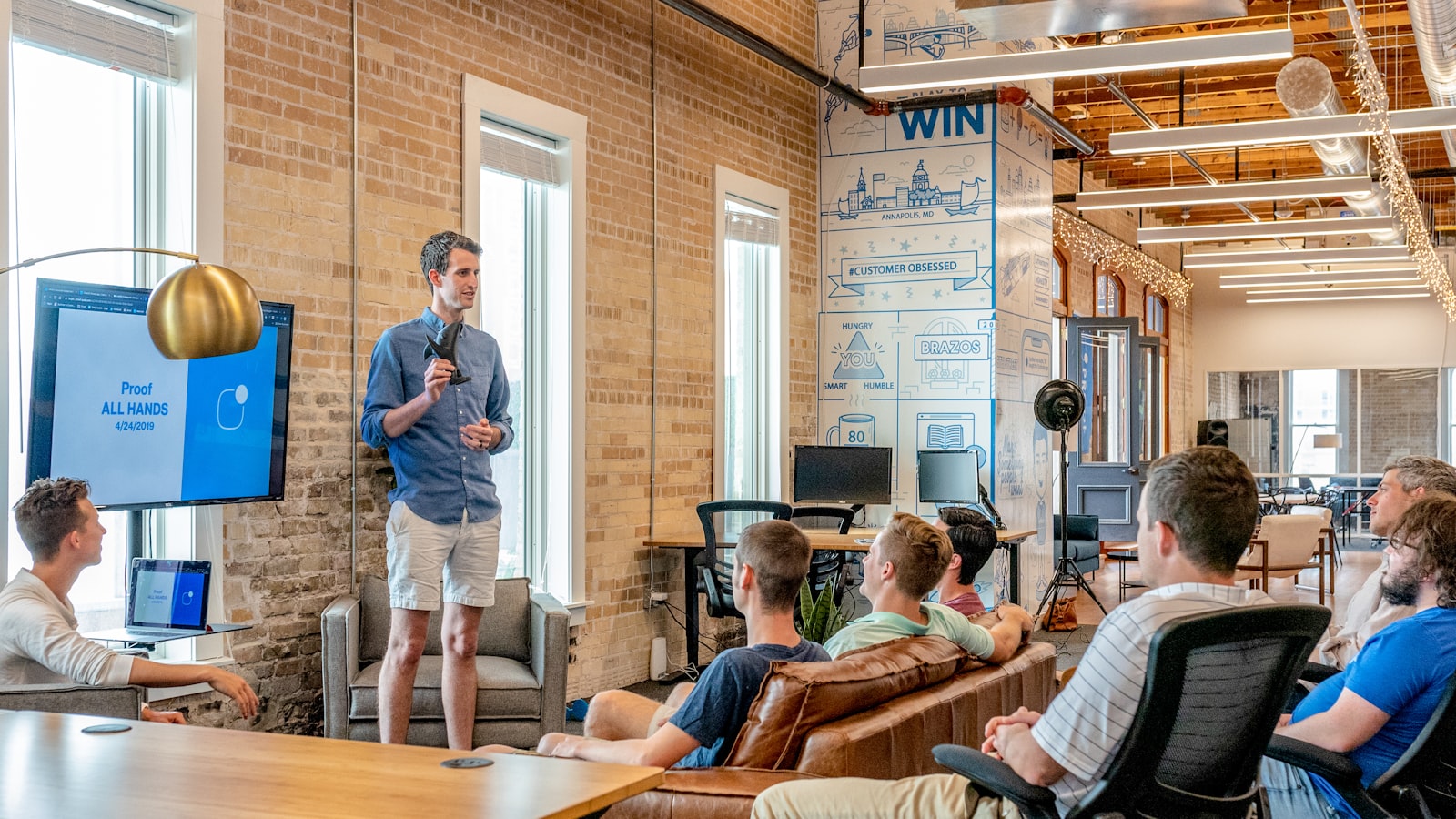
This concept is currently in the ideation stage at BIDUA. It is the natural evolution of the Video Visiting Card — instead of opening a profile with a recorded video, the recipient taps the card and is dropped into a one-tap WebRTC video call to the cardholder's phone. If the cardholder doesn't answer, the call falls back to a recorded video and contact options.
If validated, the use cases are sharp. Real estate agents handing cards to walk-in prospects. Senior salespeople closing premium B2B deals. Doctors taking second-opinion enquiries. Concierge staff at Naploo properties. Beauty consultants at BIDUA Beauty. The card becomes a live communication channel, not a static profile.
The reason it's still an idea, not a product, is that the user-experience trade-offs are real and we want to validate them honestly before committing. Calls landing at inconvenient times. iOS browser limits on push-to-call. Spam concerns. We are testing prototypes through the second half of 2026 before deciding to ship.
Imagine handing someone your card and being on a live video call with them ten seconds later — no app, no link, no scheduling. Whether that's magical or invasive is exactly the question we're trying to answer.
The opportunity, on its own terms.

WebRTC is finally browser-native.
Modern Android and iOS browsers handle video calls without app installs — the technical barrier that killed earlier attempts has lifted.
Premium sales is increasingly remote-first.
Even high-value B2B in India is closing significant deals over WhatsApp and Google Meet. A 'live video from a card' aligns with how senior people already prefer to engage.
Indian professionals are comfortable with video calls.
Post-pandemic, the cultural barrier to a sudden video call has dropped substantially — especially in real estate, BFSI, healthcare and luxury retail.
Customer-service differentiation is huge.
A boutique hotel concierge, a senior banker or a luxury sales consultant who answers a tap-to-call within 10 seconds creates a tactile, high-touch experience nothing else in the market matches.
Sized in three rings.
- Estimated 4–5 million premium Indian sales professionals could benefit from a 'one-tap live' channel, if user validation holds.
- Real estate, hospitality, healthcare second opinions, BFSI relationship managers are obvious early-adopter verticals.
- Naploo, BIDUA Beauty and BIDUA Pods front-of-house staff are natural in-house pilot groups.
- Premium SKU pricing makes the unit economics work even at smaller volumes than the broader visiting-card market.
How it works, end to end.
Premium card sale
Expected single SKU at ₹1,499–2,499 — a premium digital business card with one-tap WebRTC live calling. Targeted at premium sales and concierge roles, not the mass market.
Live availability subscription
₹999/year for the WebRTC bridge, presence indicator, fallback routing and call analytics. Without this subscription, the card falls back to a recorded video — protecting renewal incentive.
Team / concierge plans
₹799/user/year for teams. Includes round-robin call routing — taps go to whichever team member is currently online, with a fallback to a shared inbox.
Spam and abuse controls
Time-of-day windows, daily call quotas and one-tap blocking included by default. Avoids the obvious failure mode of strangers calling at 2 AM.
Enterprise concierge bundles
Bundled into Naploo hotel front-desk operations and BIDUA Beauty premium stylist programmes — turning each card into a measurable customer-experience channel.
Three compounding phases.
Validation
- Closed pilots with 200 BIDUA insiders
- Field testing with 5 partner businesses
- User research and economics modelling
- Hardware + WebRTC reference build
Soft launch
- Premium card sales to select verticals
- Live availability subscriptions
- Concierge bundles with Naploo + BIDUA Beauty
- First 50 enterprise pilots
Niche scale
- Team plans for real estate and BFSI
- Custom enterprise deployments
- Diaspora premium SKU
- Integration revenue with CRMs
Patient cadence, deliberate steps.
-
Q2 2026Technical feasibility prototype — WebRTC tap-to-call working on Android and iOS Safari.
-
Q4 2026200-user closed pilot with BIDUA Beauty stylists and Naploo concierges. Behavioural data captured.
-
Q2 2027Go / no-go decision based on pilot data. If go, premium SKU launches by Q4 2027.
-
Q4 2027Soft launch — limited to 5,000 founder cards if validation holds.
-
2028Team plans, concierge bundles and CRM integrations roll out.
-
2029–2030Niche scale across premium verticals and diaspora market.
Who else is here — and why we're different.
- Zero-app, zero-friction live calling from a physical card — uniquely positioned for premium sales.
- Spam and abuse controls built in from day one — addressing the obvious failure mode.
- Naploo and BIDUA Beauty as honest in-house concierge pilots, generating real usage data.
- Premium-only positioning — not chasing the mass market, which protects margin and avoids spam economics.
What can go wrong — and how we plan for it.
User intolerance for unscheduled calls
Mitigation: Strict default availability windows, call-quotas, and a graceful fallback to recorded video if no answer.
iOS WebRTC limitations
Mitigation: Fallback to call-back link via SMS/WhatsApp if browser-based push-to-call fails on older iOS versions.
Concept may not validate
Mitigation: Treated explicitly as an idea — staged go/no-go in mid-2027 prevents premature capital commitment.
Spam / harassment
Mitigation: One-tap blocking, IP rate limiting, abusable-pattern detection on the backend, and per-card daily call quotas.
Privacy concerns from cardholders
Mitigation: Live calling is opt-in per card. Default state is recorded-video fallback; live mode is a toggle.
Connected BIDUA divisions.
Every BIDUA bet feeds something else in the group. This one connects to:
 Live
Live
Naploo™ Smart Pod Hotels
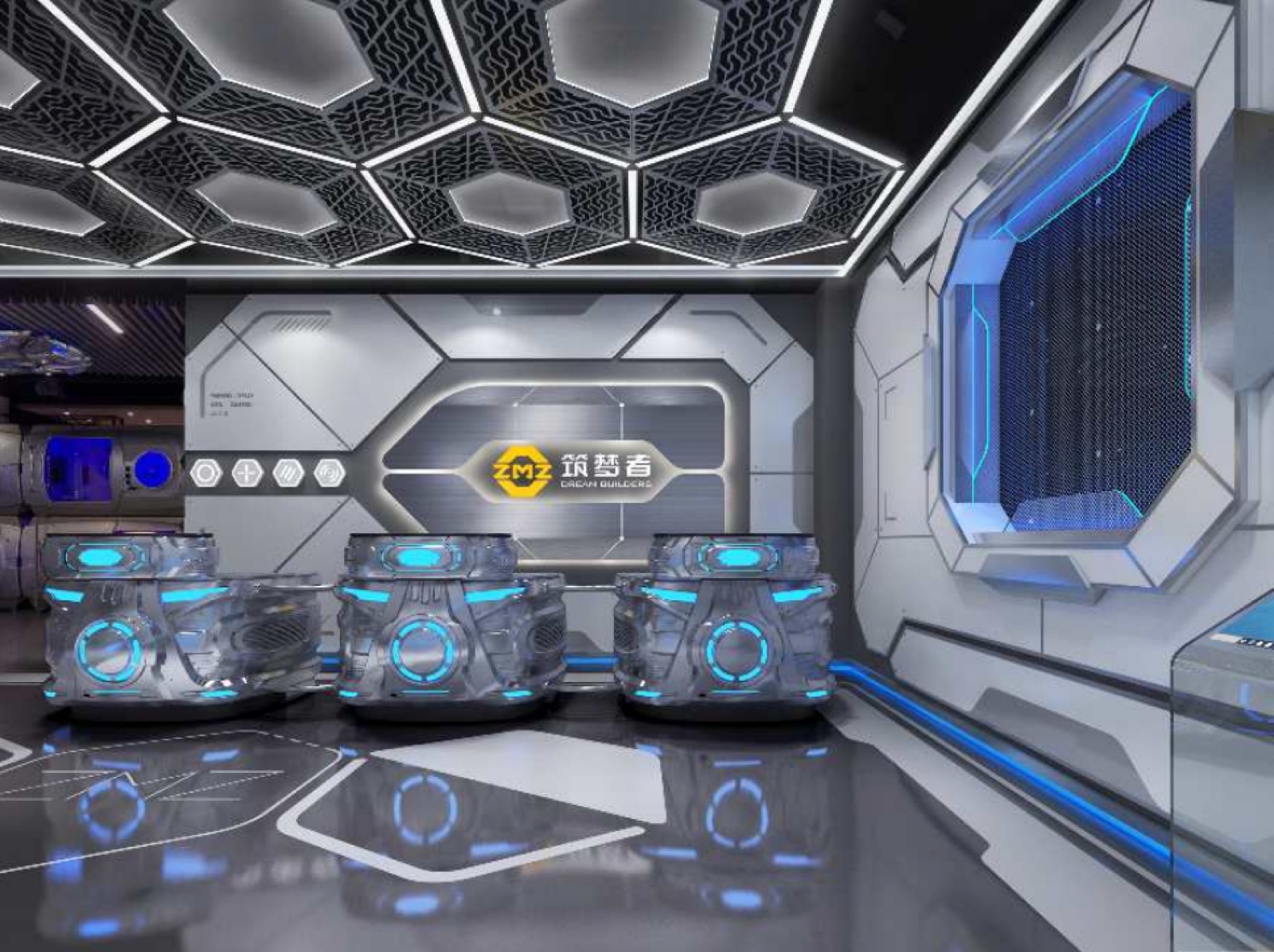
Concierge teams are a natural pilot — guests tapping a card to reach the duty manager instantly.
naploo.com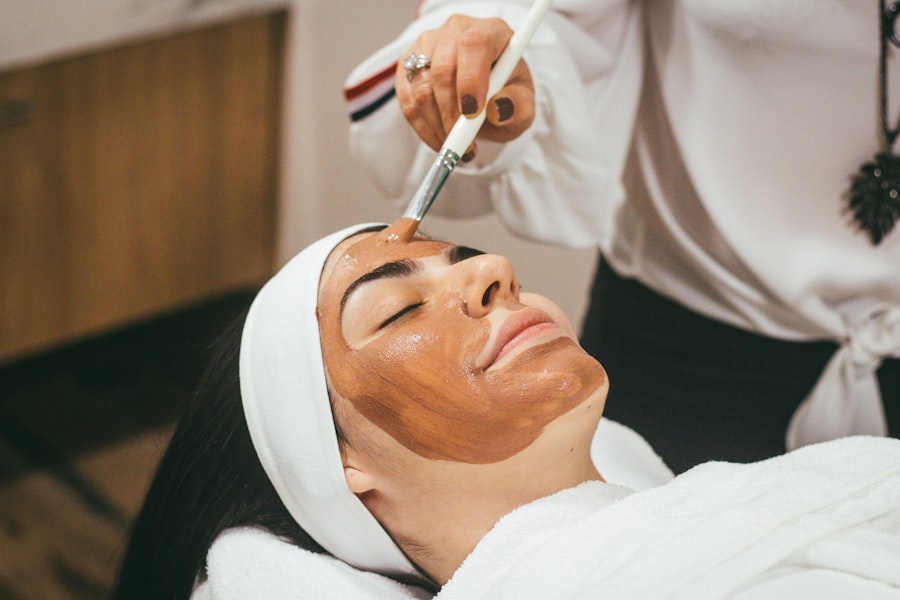 Live
Live
BIDUA Beauty Care
Stylist + consultant cards become a live virtual-consultation channel for premium clients.
biduabeauty.com Live
Live
BIDUA Hosting
WebRTC signalling, availability state and call analytics run on BIDUA Hosting infrastructure.
biduahosting.com
Questions partners and investors actually ask.
How is this different from the Video Visiting Card?
Video Visiting Card opens a recorded profile. This card opens a live video call. Different product, different pricing, different user.
Is this actually available today?
No — it is currently in the idea stage. Prototypes in 2026, go/no-go in mid-2027, possible commercial launch end of 2027.
Won't I get called at all hours?
No. You set availability windows, daily call caps and instant blocking. The default state is recorded-video fallback outside your hours.
What if I'm on another call?
Incoming taps see a 'busy' page with a recorded video, a callback request and your other contact options.
Does it work on iPhone?
We are testing this carefully. Newer iOS versions support browser-based WebRTC; older devices may fall back to an SMS/WhatsApp callback link.
Is the call really anonymous?
The recipient sees the cardholder. The cardholder sees the caller only if they accept the call. Encrypted end-to-end via WebRTC.
Why is this listed as an idea, not a product?
Because the user-experience risks are real and we want pilot data before committing. We would rather kill a bad concept than ship one.
Want to help shape this product?
We are recruiting 200 BIDUA insiders and partner businesses for the 2026 pilot. Real prototypes, honest feedback, no commitments.