Discard Clothes & Items Donation
There is a second life for every Indian's old kurta, kadhai, mattress and ceiling fan — if someone builds the pipes.
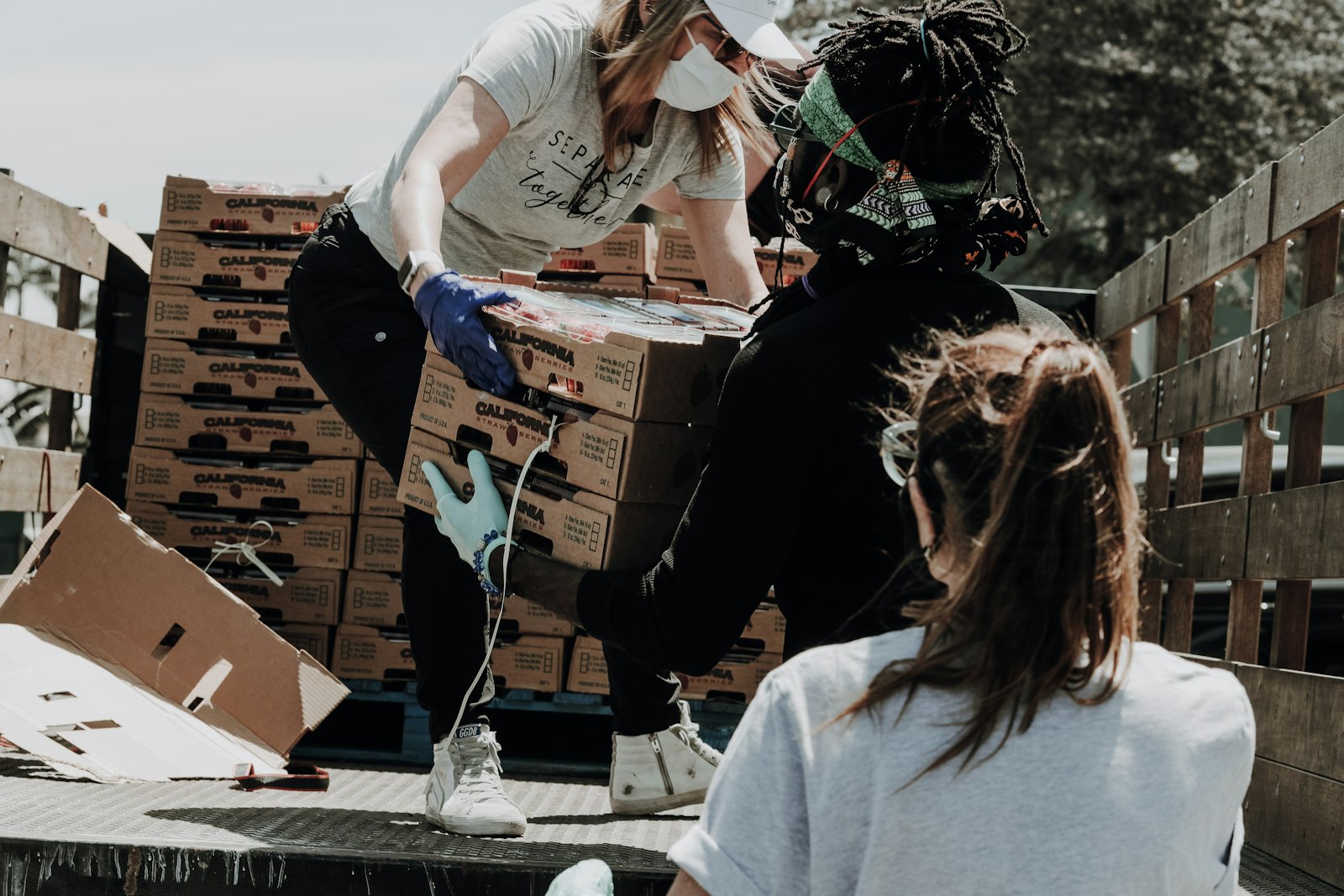
India donates a staggering amount of used material every year — clothes, bedsheets, kitchen utensils, small appliances, school bags, furniture — much of it informally, through maids, watchmen, or the occasional NGO drive. The act is willing; the infrastructure is broken.
Donors don't know where the goods actually end up. NGOs are stretched thin and cannot run pickup logistics. Slum families and disaster-relief camps frequently receive ill-sorted, ill-sized, sometimes unusable consignments. And the in-between — sorting, cleaning, photographing, matching — is done badly or not at all.
BIDUA's donation platform is a city-by-city logistics, sorting and matching layer. A donor opens the app, picks the items, gets a free doorstep pickup, and later sees a photograph of the family or NGO that received their donation. NGOs and verified low-income families post needs; we match donations to needs at a category level. Free for donors, free for recipients, sustained by CSR sponsorship and modest reseller margins on items that are not human-donatable.
Every Indian middle-class home has a steel almirah full of clothes that no one wears and no one is willing to throw away. The reason isn't sentiment — it's that there is no trustworthy way to make sure the kurta actually reaches someone who needs it.
The opportunity, on its own terms.

Indian middle-class consumption is at an all-time high — and so is closet guilt.
Online purchase frequency has roughly tripled in the last five years; households are visibly overstocked and actively seeking responsible disposal channels.
EPR and circularity rules are tightening.
Extended Producer Responsibility regulations for textiles, electronics and packaging are evolving fast. A formal donation chain becomes infrastructure brands and households both increasingly need.
NGOs need logistics more than they need goods.
Conversations with established Indian NGOs consistently land on the same point — they don't lack donors, they lack the operational capacity to pick up, sort, store and dispatch. That is precisely the gap a platform can fill.
CSR funding is searching for measurable outcomes.
Corporate donors want a per-family, per-item, photo-verified outcome — not a one-off donation drive in October. A continuous, traceable platform is far more fundable than a campaign.
Sized in three rings.
- Roughly 1 lakh registered NGOs in India — but very few have functional logistics arms.
- Indian apparel consumption is among the world's fastest-growing — and so is wardrobe churn.
- CSR mandate (~₹30,000 cr/yr) is increasingly directed to outcomes-traceable interventions.
- Urban housing societies — RWAs in metros — are natural collection nodes already running ad-hoc drives.
How it works, end to end.
Donor-side app
Donor selects categories (clothes, footwear, utensils, small appliances, books, furniture), gets a 48-hour doorstep pickup slot. Items are barcoded into a tracking ID at pickup. Donor later receives a photo and category-level confirmation of where the goods went.
Sorting & quality centres
City-level warehouses sort donations into three streams — directly distributable, repairable, and unfit (recycled to scrap partners). Apparel is washed and graded; appliances are tested; furniture is cleaned and repaired where viable.
NGO and recipient matching
Verified NGOs and registered low-income households post category-level needs (size, item, urgency). The platform matches donations to needs — no random dumps. Disaster relief gets a fast-lane allocation.
RWA & corporate drives
Residential societies and corporate offices host monthly or quarterly drives co-branded with BIDUA. A single drive can yield thousands of items at near-zero acquisition cost.
Sustainability layer
Items that cannot be human-donated (worn-out fabric, broken appliances) feed into textile recycling and e-waste partners. Modest revenue from this stream plus CSR sponsorships fund operations. Free to donors. Free to recipients.
Three compounding phases.
Build trust & logistics
- Founding CSR sponsorships
- RWA / corporate drive partnerships
- Textile-recycling resale margin
- E-waste partner referral fees
Scale density
- Multi-city CSR contracts
- Disaster-relief logistics deals (govt + NGO)
- Brand take-back partnerships (apparel, electronics)
- Verified-donor white-label services
Platform & policy
- EPR-compliance services for brands
- Carbon / circularity credits
- Data products on donation flows
- Cross-platform integration with retail brands
Patient cadence, deliberate steps.
-
Q1 2027Pilot in Noida and Bengaluru with three NGO partners and 50 RWAs. App v1 with barcode tracking.
-
Q3 2027Sorting centre operational in each pilot city. Cross 50,000 items moved.
-
2028Expand to 6 cities. 5 lakh items annual run rate. First disaster-relief deployment.
-
2029–203012-city footprint. EPR-compliance product launched for textile and electronics brands.
-
2031Cross-state logistics network. Carbon-and-circularity credit issuance pilots.
-
20321 cr items / year target. Donation platform becomes default infrastructure for urban India.
Who else is here — and why we're different.
- Donor-facing traceability — actual photo evidence, not a thank-you email.
- Doorstep pickup at the donor's convenience, not a once-a-year drive.
- City-level sorting and quality grading — recipients get usable items, not junk.
- Built on BIDUA Hosting and FinWault rails — secure, auditable, low-cost backend.
What can go wrong — and how we plan for it.
Logistics cost per item exceeds donation value
Mitigation: Route density via RWA and corporate drives; minimum-bundle policies for individual pickups; warehouse co-location with existing logistics partners.
Reputational damage from misuse of donated goods
Mitigation: Strict NGO vetting, recipient verification, traceability per item, public dashboard of where donations go in aggregate.
Item-quality complaints from recipients
Mitigation: Three-stream sorting at city centres; only category-fit items move to recipients; unfit items routed to recycling.
Dependence on CSR funding cycles
Mitigation: Diversified mix of CSR, recycling-margin, brand take-back and EPR-compliance revenue lines so no single source dominates.
Tax and legal classification of platform
Mitigation: Structured as a Section 8 or hybrid for-profit with clear non-profit reporting; tax-deduction certificates only via NGO partners.
Connected BIDUA divisions.
Every BIDUA bet feeds something else in the group. This one connects to:
 Live
Live
BIDUA Hosting
Hosts the donor app, sorting-centre software and traceability ledger.
biduahosting.com Live
Live
FinWault
Manages donor receipts, NGO disbursement workflows, audit trails and 80G certification logistics.
finwault.com Live
Live
PersistIP
Identity and document verification for NGOs and recipient households.
ip.bidua.in
Questions partners and investors actually ask.
Is the donor charged for pickup?
No. Doorstep pickup is fully free for donors. The platform is funded by CSR sponsorships and modest recycling-stream margins.
What items can I donate?
Clothes, footwear, bedsheets, towels, blankets, utensils, small appliances, books, school bags, and furniture in usable condition. Specific exclusions (e.g. undergarments, badly damaged items) are listed in the app.
How will I know my donation reached someone?
Items are barcoded at pickup. Once sorted and delivered, you receive a category-level confirmation with a photo of the receiving NGO or family — within typically 2–4 weeks.
Can I get an 80G tax receipt?
Yes — through our partner NGOs that hold 80G registration. The platform routes eligible donations accordingly and issues a downloadable certificate.
What happens to items that are not usable?
Damaged textiles go to certified textile-recycling partners. Broken electronics go to registered e-waste handlers. Nothing is dumped into landfills if we can avoid it.
How do you verify the NGOs?
We check registration certificates, 80G/12A status where applicable, financial filings, on-ground reference visits, and ongoing per-batch reporting on distribution.
Can my company run a donation drive?
Yes — corporate and RWA drives are a major channel. We provide collection bins, on-site coordination, sorting and reporting. Talk to us.
Is this competing with Goonj or other established NGOs?
No — we see them as natural partners. They have decades of distribution expertise. We bring technology, doorstep logistics, traceability and scale capital.
Help us pilot in your city.
We need three NGO partners, ten RWAs and one founding CSR sponsor per pilot city. If you have items to give, or capacity to receive — start here.