Electricity from Train Tracks
Indian Railways moves 13,000 trains a day. Every one of them is leaving energy in the rails — and we want to collect it.
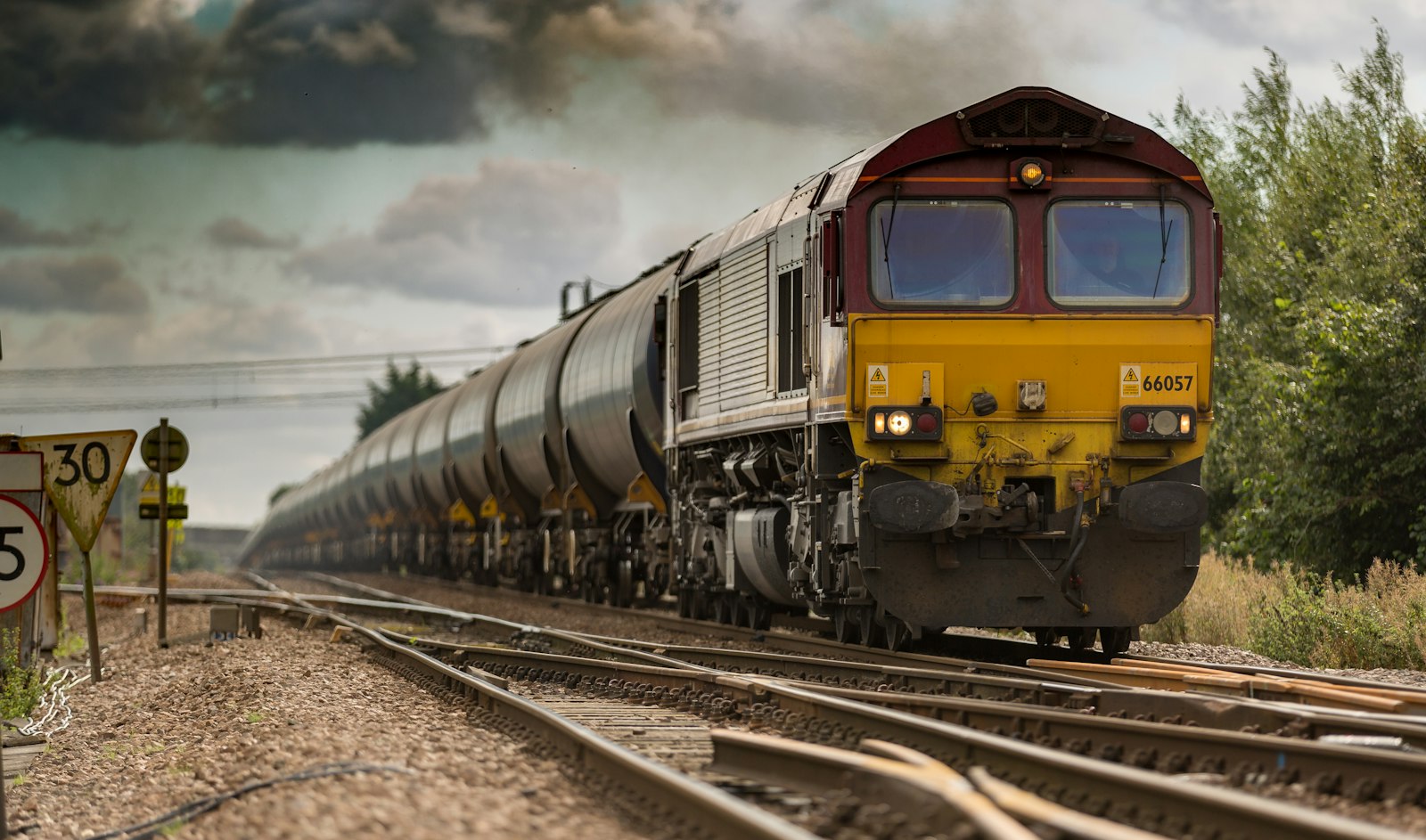
Every time a 4,000-tonne freight train rolls over a rail, it deflects the steel by fractions of a millimetre. That deflection is mechanical energy — and piezoelectric materials, ceramics that produce a voltage under strain, can convert a sliver of it into usable electricity. Multiply by 13,000+ trains a day on Indian Railways' 68,000 km network, and a real auxiliary-power business hides inside the numbers.
BIDUA Industries is exploring a modular piezoelectric harvester that clamps to the underside of rail sleepers, stores energy in supercapacitor banks, and powers nearby loads: signal lights, axle-counter sensors, station lighting at unmanned halts, level-crossing warnings and IoT track-condition monitoring.
This is not a replacement for the traction grid. It is a parallel, low-voltage, ultra-reliable layer of edge power that removes diesel gensets and battery-swap visits from thousands of remote railway assets. The economics work best where grid extension is most expensive — which, in India, is most of the network.
A signal cabin in rural Chhattisgarh draws a few hundred watts. A passing freight train deposits enough mechanical energy into the track to power it — if someone is patient enough to harvest the milliwatts before they dissipate as heat.
The opportunity, on its own terms.
Indian Railways is electrifying — but signalling is still patchwork.
Even on electrified routes, signal cabins, axle counters and level-crossing barriers often run on diesel gensets or weekly-replaced batteries. Track-side harvested power is a direct replacement.
Piezo material cost has dropped 70% in a decade.
PZT (lead-zirconate-titanate) ceramics are now mass-produced for ultrasonic and automotive sensor markets. Bulk procurement for civil applications is finally viable.
India's IoT track-monitoring push needs distributed power.
Railways' Kavach collision-avoidance system and digital signalling rollout multiply the number of trackside sensors needing reliable low power.
The cross-subsidy story is strong.
A single harvester block paying for itself by removing one diesel-genset refuel visit per month is already commercially viable — solar, sensor, IoT revenue is a bonus.
Sized in three rings.
- Indian Railways' Mission Raftaar / Kavach budget allocates significant capex to track-side electronics — a captive customer.
- 13,000+ train passes per day at high-density routes (Delhi-Howrah, Mumbai-Ahmedabad) — energy density at its peak.
- Approximately 9,000 unmanned level crossings remain — each a candidate for self-powered warning systems.
- Metro rail expansion in Chennai, Bengaluru, Mumbai and Pune adds another 800+ km of trackside infrastructure by 2030.
How it works, end to end.
Lab and rig phase
BIDUA builds an indoor accelerated-load test rig in Noida that simulates rail deflection cycles equivalent to a year of freight traffic in 30 days. All early development happens here — no live track until validation.
Indian Railways MoU
Phase 2 requires a formal pilot agreement with a Zonal Railway (target: South Central or Western). 1 km of instrumented test track with side-by-side conventional power baseline.
Module manufacturing
BIDUA Pods' precision manufacturing line is repurposed for ruggedised piezo harvester modules. IP67 enclosures, IS-certified rail clamps, supercapacitor packs.
Power-as-a-service
Rather than selling hardware, BIDUA offers a per-kWh trackside power contract to Indian Railways — we own and maintain the modules, they pay only for delivered uptime.
Data layer monetisation
Every piezo module is also a strain sensor. The same hardware reports rail-health data — track wear, wheel-impact events — generating a second revenue stream from the predictive-maintenance contract.
Three compounding phases.
R&D
- Internal R&D budget
- DRDO / RDSO research collaboration grants
- Indian Railways MoU pilot fees
- Engineering college joint research
Pilot
- Pilot deployment contracts (₹40–80 L per km)
- Module sales to metro rail operators
- Predictive maintenance data licensing
- Carbon credit aggregation
Scale
- Power-as-a-service contracts with IR Zones
- Replacing diesel genset refuelling routes
- Module exports (Bangladesh, Sri Lanka, Africa rail)
- Combined energy + sensor data subscription
Patient cadence, deliberate steps.
-
Q4 2026Lab rig design finalised. Piezo material partner (Indian or licensed Japanese) selected.
-
Q2 2027Indoor accelerated test rig commissioned. First-generation harvester module bench-tested.
-
Q1 2028MoU signed with one Indian Railways Zone for a 1 km live-track pilot.
-
Q3 2028 – Q4 2029Pilot operates with 12 months of live data. RDSO certification process begins.
-
2030Commercial product launch. First 50 km of trackside deployment under PaaS contract.
-
2031–2032Scale to 500 km. International expansion to South Asian and African rail networks begins.
Who else is here — and why we're different.
- PaaS model removes capex hurdle for Indian Railways — they only pay for delivered uptime.
- Dual-use module (energy + strain sensing) doubles revenue per module without doubling hardware.
- BIDUA Pods manufacturing capability gives us cost leadership against imported modules.
- PersistIP-backed networking layer means the harvester also doubles as an IoT mesh node.
What can go wrong — and how we plan for it.
Energy yield below threshold
Mitigation: Indoor rig validates yield before any live deployment. Programme killed at the rig stage if numbers don't clear minimum thresholds.
RDSO certification delays
Mitigation: Early engagement with RDSO. Hire ex-railway certification consultants. Build certification milestones into the timeline.
Piezo material supply concentration
Mitigation: Dual-source from Japanese and Indian suppliers. Long-term offtake contracts to stabilise pricing.
Track-side vandalism / theft
Mitigation: Tamper-resistant enclosures, GPS-tagged modules, integration with Railway Protection Force monitoring.
Indian Railways procurement cycles are slow
Mitigation: Parallel pursuit of metro rail and private railway sidings (steel plants, ports) which procure faster.
Connected BIDUA divisions.
Every BIDUA bet feeds something else in the group. This one connects to:
 Live
Live
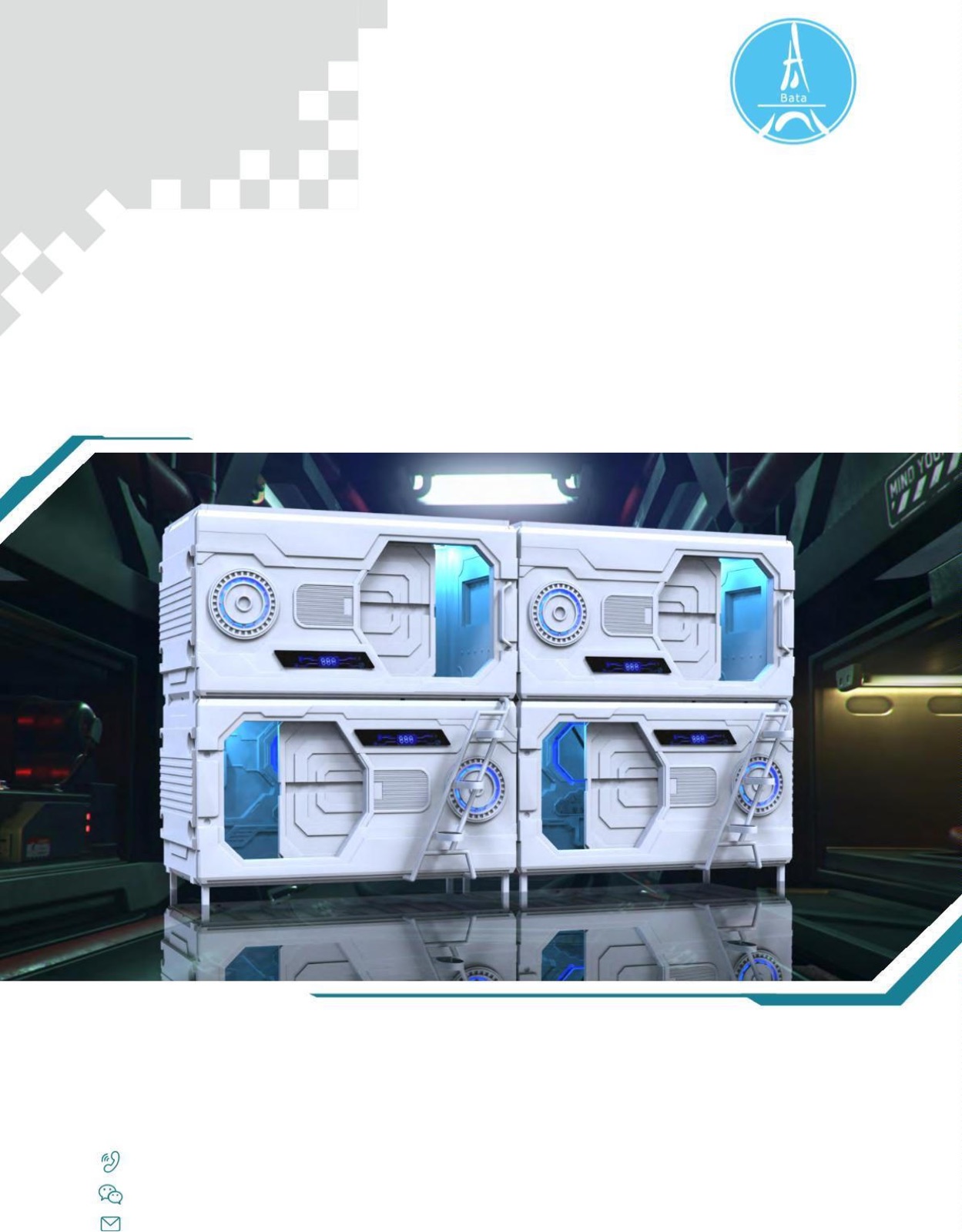
BIDUA Pods
Manufacturing line for ruggedised IP67 harvester modules.
biduapods.com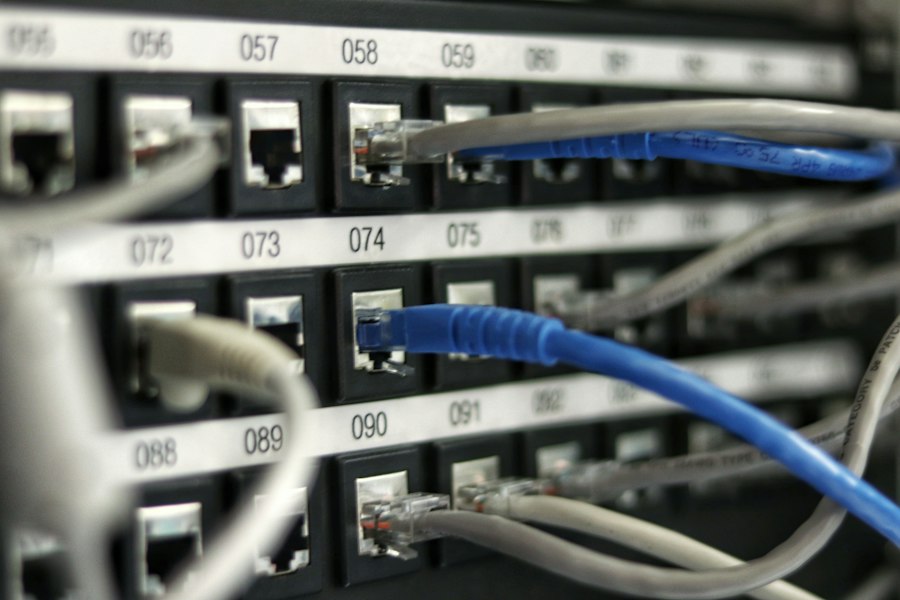 Live
Live
PersistIP
IoT mesh networking and patent strategy for the dual-use sensor + energy module.
ip.bidua.in Live
Live
BIDUA Hosting
Cloud backbone for the predictive-maintenance and rail-health data layer.
biduahosting.com
Questions partners and investors actually ask.
How much power can one module actually generate?
Expected 5–15 watts per module per train pass, with high variance based on axle load and speed. Indoor rig will confirm exact numbers before any field claim.
Does this slow the train down?
No, the energy extracted is a tiny fraction of the train's kinetic energy that was already going to dissipate as heat and rail wear. Net effect on train dynamics is unmeasurable.
What does Indian Railways gain?
Removal of diesel-genset refuelling routes, fewer battery-swap visits, real-time rail health data, and a contribution to net-zero rail commitments — all without capex.
What about high-speed rail?
Even better. The Mumbai-Ahmedabad bullet train route has fewer trains but higher kinetic energy per pass. We are designing a high-frequency variant for that geometry.
Why hasn't anyone done this at scale already?
Israel's Innowattech tried and stalled around economics. Piezo material costs have since dropped, sensors are cheaper, and the PaaS model removes the capex barrier they hit.
What is the payback?
Modelled payback 4–6 years against displaced diesel gensets and battery swaps. Sensor-data revenue can pull this to 3 years for high-density routes.
Is this safe near the track?
Modules sit between sleeper and ballast, fully enclosed and low-voltage. They do not interfere with track gauge or rolling stock clearance.
Carbon impact?
Each km of deployment displaces an estimated 4–8 tonnes of CO2 annually by removing diesel-genset operation. Aggregated for voluntary carbon-credit issuance.
Run a 1 km pilot with us.
We are talking to Zonal Railways and metro operators about a 12-month live pilot. If you operate a track and want self-powered signalling, we want to test on your rails.