Electronics Products
Build India's own answer to Xiaomi accessories — premium feel, mid-market price, fully designed in Noida.
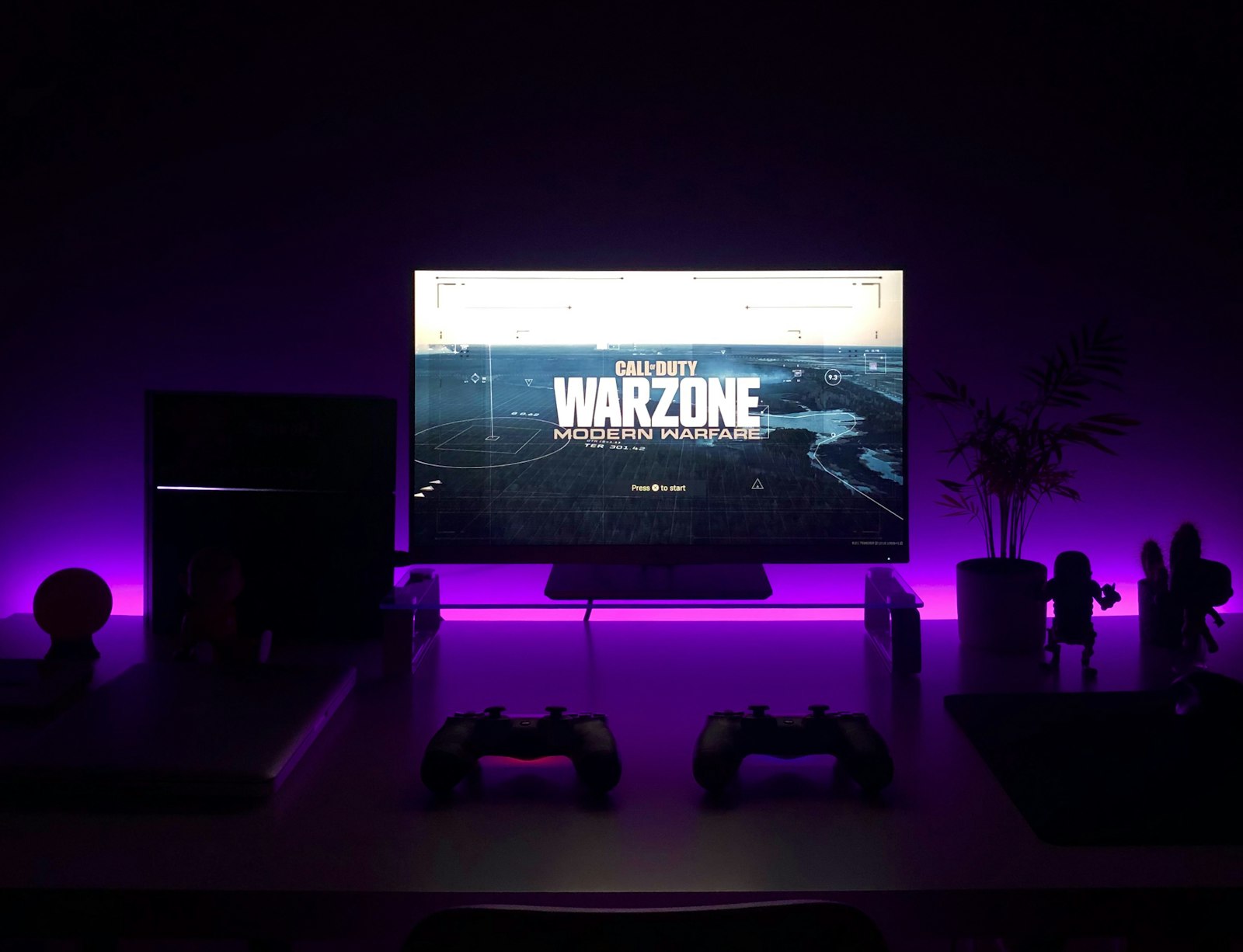
Indian consumer electronics is in a strange place. The country buys more smartphones than anyone except China, yet the accessories around those phones — chargers, cables, neckbands, smart bulbs, soundbars — are dominated either by overpriced global brands (Apple, Bose, JBL) or by a flood of look-alike D2C labels (boAt, Noise, Mivi, pTron) selling near-identical products with shrinking margins and rising returns.
Quality has slipped quietly. Cables that fail in three months. Neckbands that lose paint. Smart plugs that drop off WiFi during a voltage dip. The Indian consumer notices — Amazon and Flipkart reviews are full of it — but the category leaders are too busy fighting on price to fix the product.
BIDUA Industries believes there is room for a new entrant that gets the basics right: properly tested for Indian voltage swings, two-year warranty as standard, after-sales service that actually picks up the phone, and a deliberately curated SKU list of 25–40 products instead of 400. This is not a tech bet. It is a brand and operations bet on a market that has forgotten the consumer.
India does not need another no-name boAt clone. It needs a brand that respects the buyer enough to test the cable on a real Indian power grid before printing the box.
The opportunity, on its own terms.
The accessories category is overcrowded but under-served.
boAt, Noise and Mivi have collectively burned hundreds of crores on marketing while quality scores on aggregator reviews keep falling. Customers are ready for a brand that competes on dependability, not just on TVCs.
Government has tilted the table toward local manufacturing.
PLI for electronics, customs hikes on imported finished goods, and a thriving EMS ecosystem (Dixon, Optiemus, Bharat FIH) make it cheaper than ever to manufacture in India for India.
Smart home is the next phone-charger.
Smart plugs, bulbs, soundbars, doorbells and security cameras are following the same adoption curve neckbands did in 2019–22. The category is ₹4,000–5,000 cr today and on a clean doubling trajectory.
Distribution has democratised.
Amazon, Flipkart, Croma, Reliance Digital, Quick-commerce and direct D2C — any of these channels alone can sustain a focused brand at ₹50–100 cr revenue without owning a single retail store.
Sized in three rings.
- TWS earbuds and neckbands: ₹6,000+ cr category in India, still growing despite saturation noise.
- Smart home (bulbs, plugs, cameras): doubling every 24–30 months as fibre internet penetrates.
- Charging accessories: GaN chargers, 65W+ cables — Apple has trained the market to pay for fast charging.
- Premiumisation: 18–25% of urban India is willing to pay ₹2,000+ for a 'premium feel' accessory.
How it works, end to end.

Curated SKU strategy
25–40 products at launch, not 400. Each one tested, owned by a product manager, and held accountable on returns and ratings. Cut SKUs aggressively if reviews drop below 4.0.
Design in Noida, manufacture in India
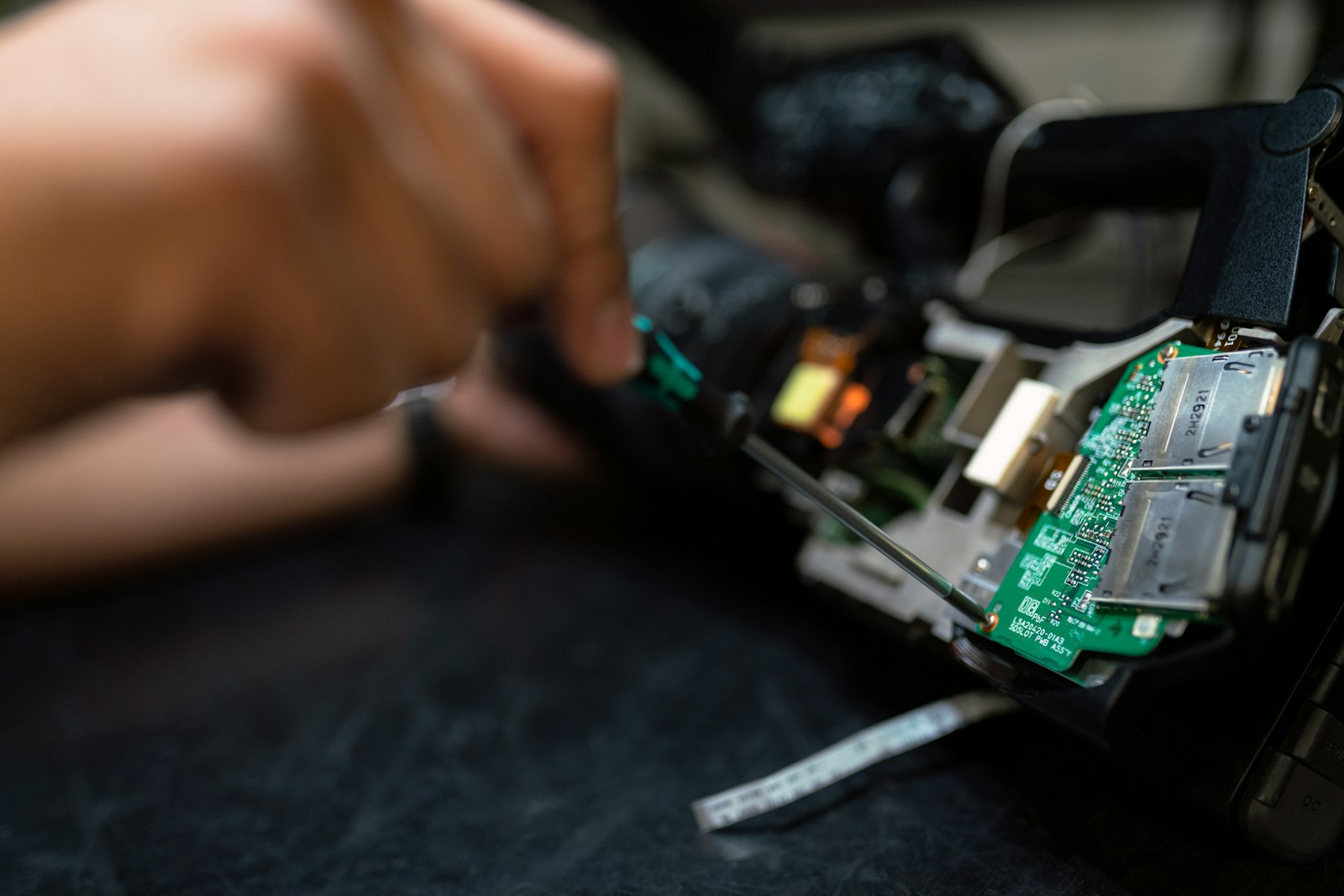
In-house industrial design and firmware team. Manufacturing through Indian EMS partners (Dixon, Optiemus, regional players) under strict QC. Bills of materials owned by BIDUA, not the contract manufacturer.
Omnichannel distribution
D2C website (Shopify on BIDUA Hosting), Amazon, Flipkart, Croma, Reliance Digital, Quick-commerce (Blinkit / Zepto). No exclusive single-platform deals — channel concentration is a trap.
After-sales as a moat
2-year warranty as default. Walk-in service partners in 25 cities by Year 3. Replacement-first policy on under-₹2,000 SKUs — cheaper than logistics on a failed RMA.
Brand built on demonstrated reliability
No celebrity endorsements in Year 1. Marketing budget goes into review-seeding, tech YouTubers, and Amazon/Flipkart sponsored placements where the actual buyer is.
Three compounding phases.
Launch & validate
- Audio: TWS earbuds and neckbands
- Charging: GaN chargers, braided cables, power banks
- Mobile peripherals: phone stands, car mounts, screen guards
- D2C site + Amazon/Flipkart launch SKUs
Scale & smart home
- Smart home: bulbs, plugs, IR remotes
- Soundbars and Bluetooth speakers
- Quick-commerce SKU range (impulse buys)
- B2B / institutional bulk orders
Premiumise
- Premium audio (over-ear headphones, ANC earbuds)
- Smart security (cameras, doorbells)
- BIDUA-branded peripherals for BIDUA Pods and Naploo properties
- Export to Middle East and SAARC markets
Patient cadence, deliberate steps.
-
Q2 2027Brand name, identity and first-15 SKU roadmap locked. Hire industrial design and firmware leads.
-
Q4 2027First EMS contracts signed. Tooling and certifications (BIS, WPC) initiated.
-
Q2 2028Launch wave 1 — 15 SKUs in audio and charging. Amazon + D2C live.
-
2029Smart home category opens. Walk-in service network expands to 10 cities.
-
2030Quick-commerce footprint complete. Brand top-10 in at least 2 sub-categories.
-
2032Premium tier and export. Evaluate strategic options — scale-up capital or partnership.
Who else is here — and why we're different.
- 25–40 SKUs done properly vs 400 SKUs done thinly.
- 2-year warranty as default — not a paid upgrade.
- Indian-grid testing built into QA — voltage swings, surge protection, humidity.
- Tied into BIDUA's hospitality stack — captive bulk demand from Naploo properties and BIDUA Pods.
What can go wrong — and how we plan for it.
Crowded category, brand discovery is expensive
Mitigation: Lean SKU strategy lowers inventory risk. Review-led growth, tech YouTuber seeding and Amazon Choice positioning beat brand-TVC spending in early years.
Margin compression by Chinese imports
Mitigation: Customs hikes already favour local manufacturing. BIDUA targets ₹999–4,999 segment where Indian brand assurance commands a premium.
Supply chain dependency on EMS partners
Mitigation: Multi-EMS strategy — never more than 50% of any SKU with one factory. BoM and tooling owned by BIDUA, not contractor.
Smart home firmware liability (privacy, security)
Mitigation: In-house firmware team. ISO 27001 alignment, no data sent to non-Indian servers. BIDUA Hosting underpins data residency.
Returns and reverse-logistics drag
Mitigation: Replacement-first policy under ₹2,000. Curated SKU list keeps return rates measurable. Service partner network from Year 2.
Connected BIDUA divisions.
Every BIDUA bet feeds something else in the group. This one connects to:
 Live
Live
BIDUA Hosting
Cloud backend for smart-home firmware, OTA updates and data residency in India.
biduahosting.com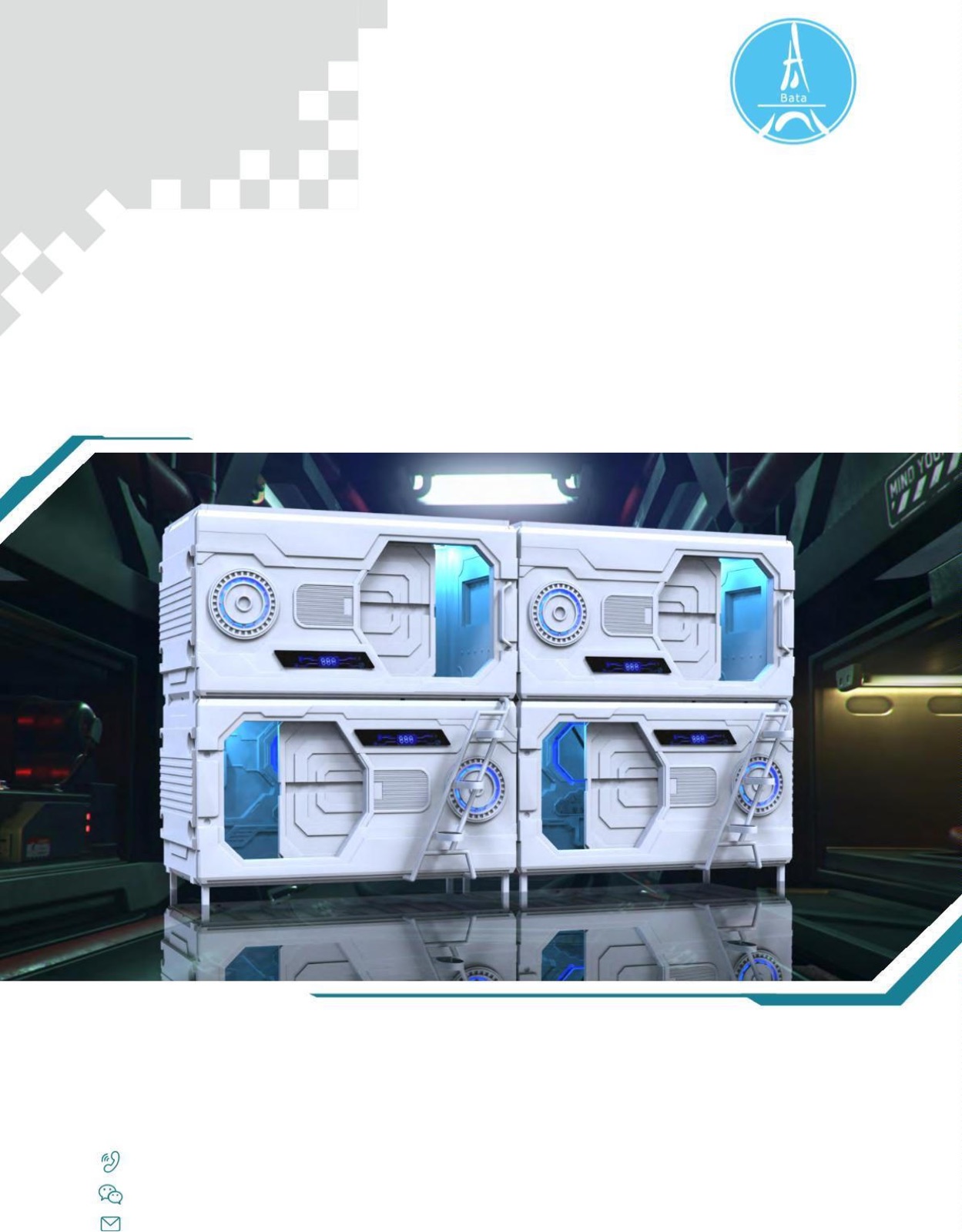 Live
Live
BIDUA Pods
Captive demand and co-branded accessories built into pod interiors.
biduapods.com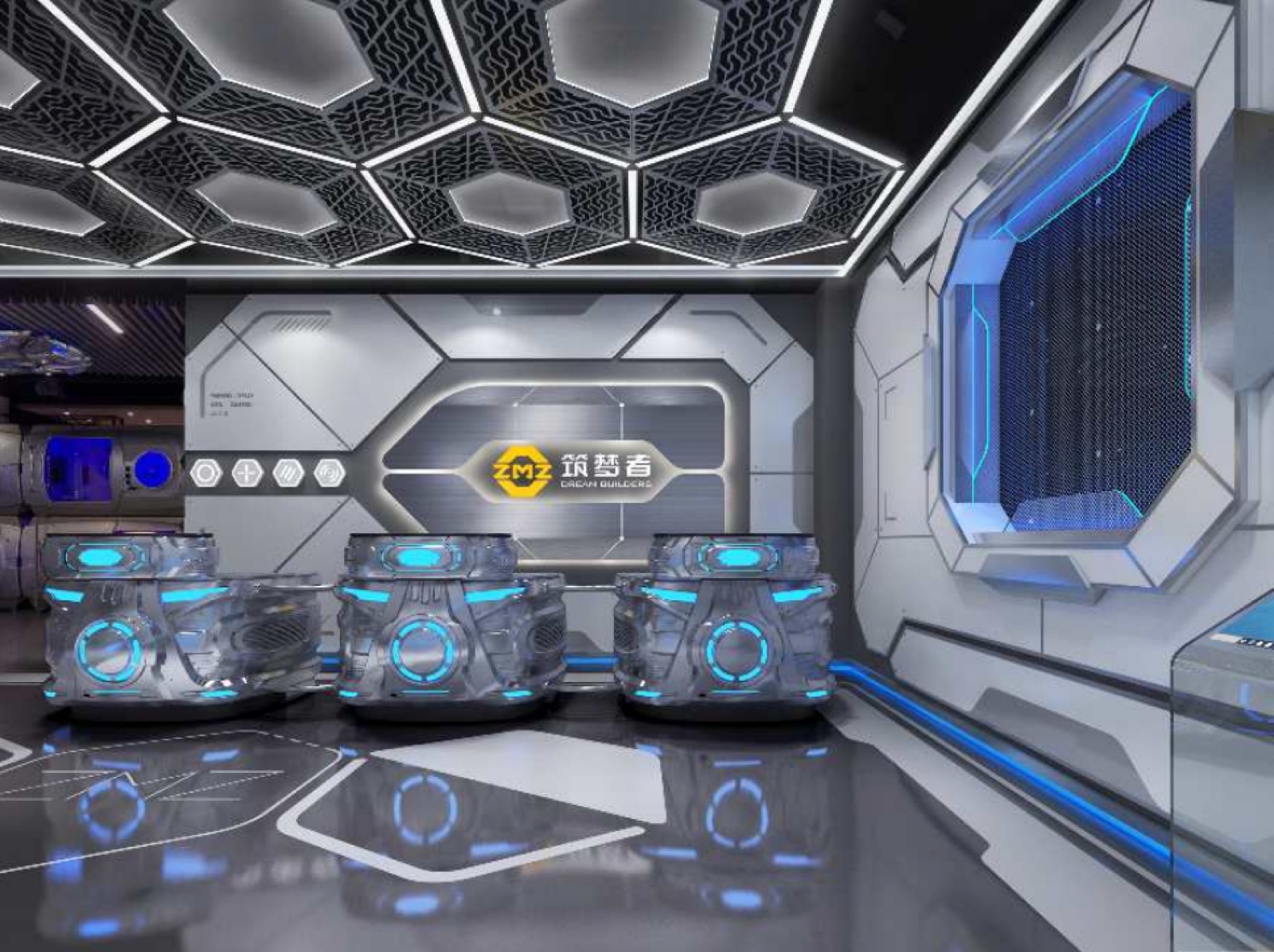 Live
Live
Naploo™ Smart Pod Hotels
In-room electronics and amenity SKUs deployed across Naploo properties.
naploo.com
Questions partners and investors actually ask.
Isn't the accessories market already saturated?
Saturated with SKUs, not with quality. Review scores across the category are falling, return rates are rising, and customers are searching for brands they can trust on warranty. That is an opening.
Will BIDUA design its own chips?
No. We focus on industrial design, firmware, QA, brand and after-sales. Silicon comes from established partners (Realtek, Qualcomm, Espressif). Owning everything is how brands die.
Why launch with only 25 SKUs?
Each new SKU consumes inventory, certification, marketing and customer service. Brands that launch with 200 SKUs end up with 180 dead ones. We would rather have 25 that move.
What is the capex requirement?
Asset-light by design — ₹15–25 cr for working capital, tooling, certifications, design team and launch marketing in Year 1. Manufacturing is outsourced.
How is this different from a typical D2C brand?
We are not building a Shopify store with a logo. We are building a long-cycle brand with in-house design, owned BOMs, real warranty operations and a 5-year product roadmap. Closer to Xiaomi-India in spirit than to a typical Insta-launched brand.
Will BIDUA properties use these products?
Yes. Naploo properties, BIDUA Pods cabins and BIDUA offices become captive demand for charging, audio and smart-home SKUs — a guaranteed first 10,000-unit floor across our own ecosystem.
Is there an export angle?
From Year 4 onwards — Middle East and SAARC first, where Indian electronics brands already have shelf presence and trust.
Help build the electronics brand India is missing.
We are looking for product leads, EMS partners and channel investors for the 2028 launch. Build a 25-SKU brand the right way before scaling to 250.