Family Tree App
Indian families remember seven generations. Our phones barely remember last Diwali. Time to fix that.
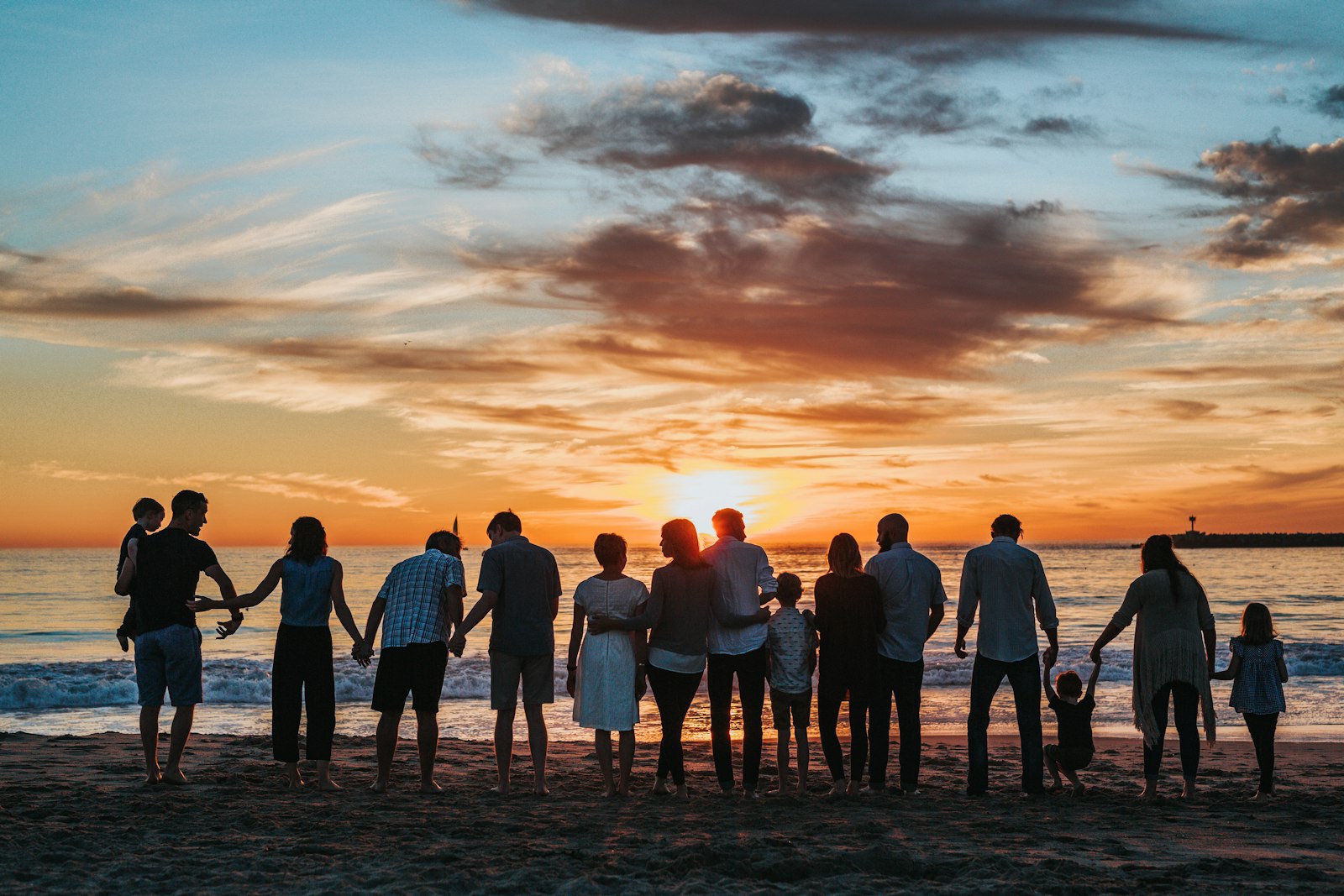
Indians remember lineage longer than almost any culture on earth. Gotras, kuldevtas, ancestral villages, seven-generation pind-daan rituals, Brahmin pandits who keep handwritten family registers in Haridwar — the tradition is unbroken for centuries. But the digital memory is broken. Family WhatsApp groups lose photos to phone changes. Old albums sit in a steel almirah in Lucknow. Grandparents pass away and decades of stories go with them.
Family Tree App is a digital, India-aware genealogy platform. Users build a tree — spouses, siblings, parents, in-laws, cousins — invite relatives by phone number, and pool photos, audio stories, important dates, ancestral villages and recipes into a single shared timeline. The app handles Indian-specific complexity: gotra and kul matching, joint-family structures, multiple marriages, regional naming conventions, and the language gap between grandparents who speak Bhojpuri / Tamil / Marathi and grandchildren who type only in English.
Status: idea. The category is dominated globally by Ancestry.com and MyHeritage but neither has an India-first product. The opportunity is in cultural fit (gotra, regional kinship terms, language), price-point (sub-₹300/year vs ₹6,000+ for Ancestry) and DNA-test partnerships with Indian labs. Market figures below are scenarios for what's achievable if family-tree-as-a-product crosses into mainstream Indian households.
A family tree is not a hobby. It is the most important spreadsheet your grandchildren will ever inherit — and right now it lives in your grandmother's head, written in a script half your cousins no longer read.
The opportunity, on its own terms.
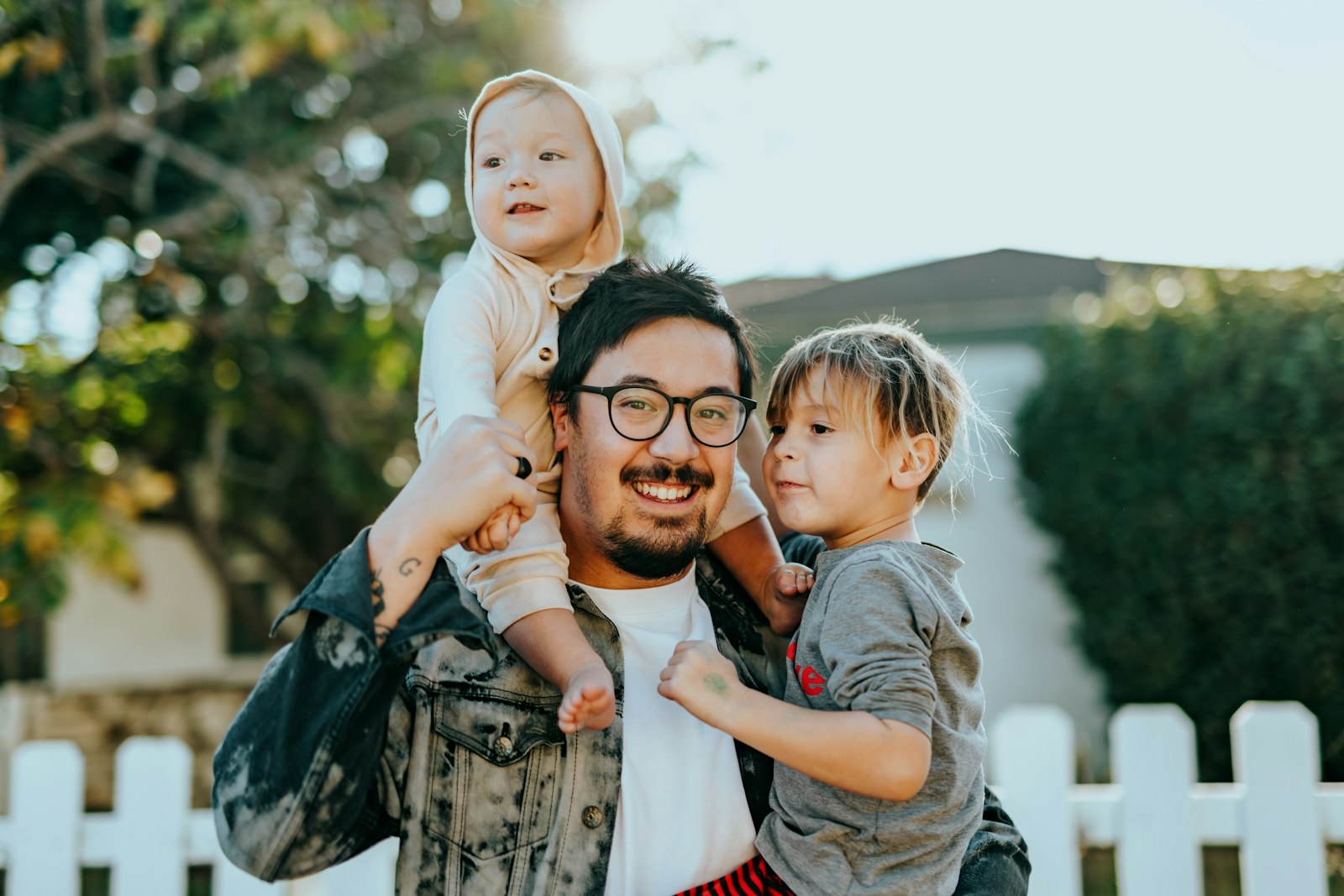
Grandparents are the last living archive.
Post-COVID, every Indian family knows the cost of losing a senior relative without recording their stories. There is a measurable, urgent demand for legacy capture before it's too late.
Diaspora is paying attention.
Indian-origin users in the US, UK, UAE and Singapore search for ancestral village records, gotras and lost cousins more than any other diaspora — yet they pay Ancestry.com USD 39/month for a service that has zero Indian context.
DNA testing is now affordable in India.
MapmyGenome, Genes2Me and HealthCare Global now offer ancestry DNA kits at ₹6,000–₹12,000 — a level where middle-class urban Indians are willing buyers.
Family WhatsApp groups have hit their limit.
Photos compress, videos auto-delete, message history is fragile across phone changes. Families are actively looking for a permanent shared memory layer.
Sized in three rings.
- 240M+ Indian households — even 1% capture is 2.4M families.
- Diaspora: 32M Indian-origin people globally, average income 3x domestic — willing payers.
- Weddings: 10M+ Indian weddings/year — natural moment to onboard new families joining together.
- DNA testing partnerships: ₹3,000–₹6,000 commission per kit sold through the platform.
How it works, end to end.

Freemium family plan
Free tier for up to 25 family members and basic photo storage. Premium family plan at ₹299/year unlocks unlimited members, audio/video memories, photo restoration, and ancestral village mapping.
Diaspora premium
USD 29/year for users outside India — same product, willing-payer pricing. Includes priority support for finding ancestral villages and connecting to extended family in India.
DNA partnership commerce
Integrated DNA-test ordering from MapmyGenome / partner labs. BIDUA earns 15–20% commission per kit and presents results inside the family-tree view.
Heritage commissions
Premium add-ons: professional video documentaries of family elders, printed coffee-table family books, ancestral-village photo expeditions. ₹15,000–₹2L per project.
Three compounding phases.
Build & validate
- Free user growth via wedding-season referrals
- Premium subscriptions ₹299/year
- Pilot DNA partnerships (1–2 labs)
- Family-book pilot commissions
Diaspora + commerce
- USD-tier diaspora subscriptions
- DNA kit revenue share
- Photo restoration and digitisation services
- Heritage documentary commissions
Network effect
- Cross-family matching (find lost cousins)
- Local-history publisher partnerships
- Pind-daan / shraadh service partnerships
- Institutional licensing (schools, archives)
Patient cadence, deliberate steps.
-
Q1 2027MVP — tree builder, photo timeline, audio memories, family invites.
-
Q3 2027Public launch with Hindi, Tamil, Telugu, Bengali, Marathi UI.
-
Q1 2028DNA test integration with first Indian lab partner.
-
2029Diaspora USD tier. Heritage documentary commissions launch.
-
2030Cross-family matching algorithm — find lost cousins.
-
2031Institutional licensing for schools, regional archives and state heritage departments.
Who else is here — and why we're different.
- India-aware data model — gotra, kul, joint-family structures, regional kinship terms.
- Audio-first onboarding — grandparents can record stories in their native language without typing.
- Sub-₹300/year price-point vs ₹6,000+ for global competitors.
- DNA + heritage commerce inside the same app — not just data, but legacy products.
What can go wrong — and how we plan for it.
Privacy concerns around genealogy data
Mitigation: Family-only sharing by default. No public discovery without explicit opt-in. India-resident encrypted storage on BIDUA Hosting.
Low retention after initial tree setup
Mitigation: Wedding-season prompts, on-this-day memory features, and grandparent-led audio story missions to keep families coming back.
DNA partner dependency
Mitigation: Multi-lab strategy from day one. No exclusive contracts. Lab pricing benchmarked annually.
Caste / community misuse of gotra data
Mitigation: Strict community guidelines, no matchmaking features without explicit opt-in, no public gotra listings.
Idea-stage growth assumptions
Mitigation: Kill criteria — if 12-month free-to-paid conversion is below 6%, pivot to B2B heritage commerce (books, documentaries) as the primary model.
Connected BIDUA divisions.
Every BIDUA bet feeds something else in the group. This one connects to:
 Live
Live
BIDUA Hosting
India-resident encrypted storage for sensitive family media and DNA-related metadata.
biduahosting.com Live
Live
FinWault
Subscription billing, family-plan account management and DNA partnership settlement rails.
finwault.com Live
Live
PersistIP
Mobile app engineering, graph database design and identity / invite flows.
ip.bidua.in
Questions partners and investors actually ask.
Who can see my family tree?
Only family members you explicitly invite. By default, nothing is public. We do not index trees for search engines.
What if my grandmother doesn't use a smartphone?
Family members can record her stories on their own phone and attach them to her node in the tree. No tech literacy required from elders.
Can I import data from Ancestry / MyHeritage?
Yes — we support standard GEDCOM file imports, the universal genealogy data format. Your existing tree comes in with one click.
How does DNA testing work?
You order a kit through the app (from a partner Indian lab), spit in a tube, mail it back. Results map onto your tree and surface potential relatives in the platform — only with mutual consent.
Is the data stored in India?
Yes — all family data is stored on India-resident servers on BIDUA Hosting infrastructure. Compliant with DPDP Act.
What languages are supported?
MVP launches with Hindi, Tamil, Telugu, Bengali, Marathi and English. Gujarati, Punjabi, Kannada, Malayalam, Odia and Assamese follow in the first 18 months.
What happens to my tree if I pass away?
Legacy access is built in — nominated family members inherit administration rights. The tree is permanent and inheritable across generations.
Is this an idea or a product I can use today?
Idea stage. MVP targets Q1 2027 early access. We will not market or accept subscription payments until the product is fully production-ready.
Record your grandparents while they're still here.
We're opening MVP access in Q1 2027 to 1,000 families. Free premium for the first year, in exchange for honest feedback and a 60-second audio story from a family elder.