Fish Farming
Bio-floc tanks, traceable fillets and a cold chain that does not break — fish farming, finally industrialised.
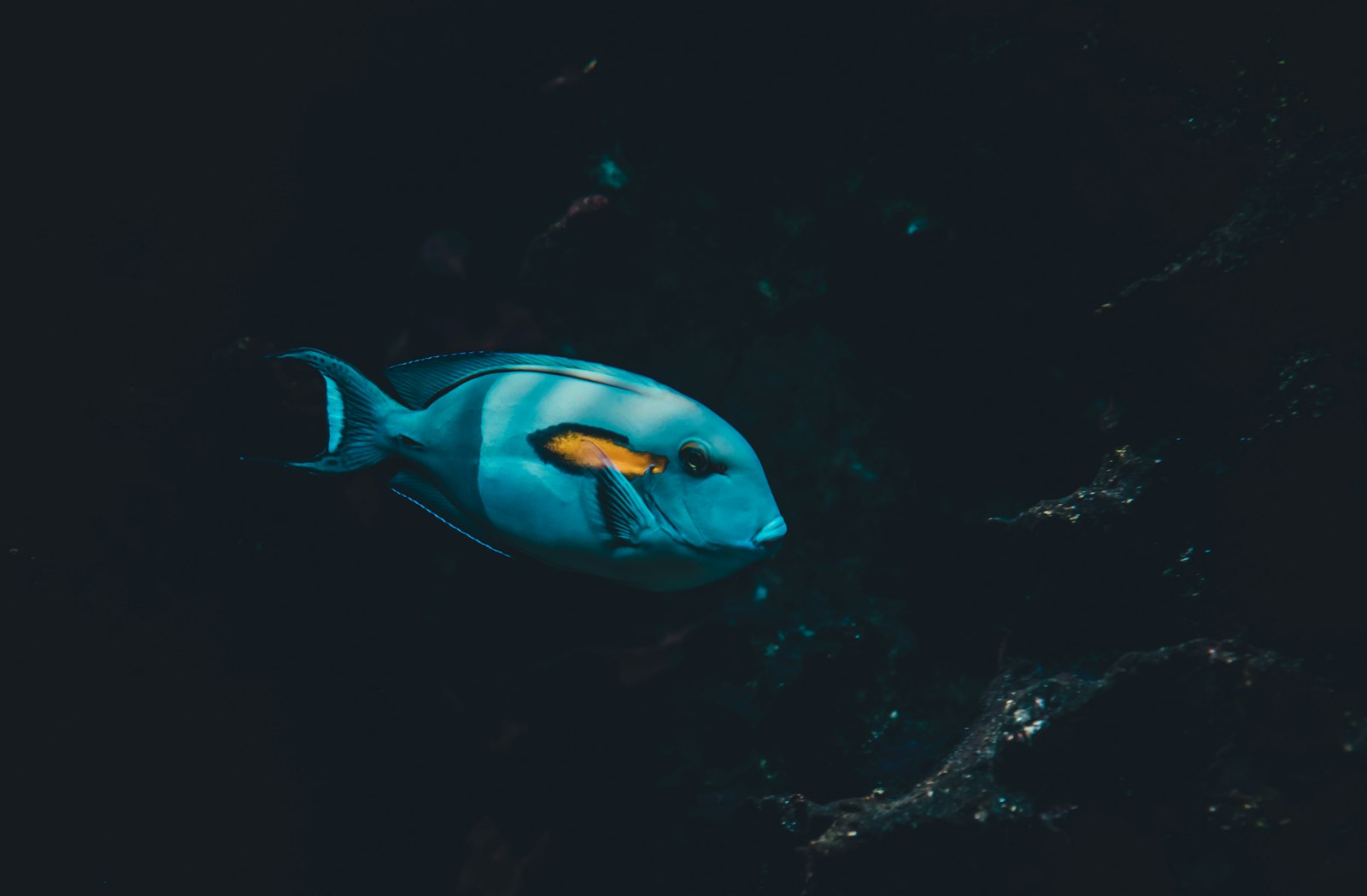
Modern aquaculture is no longer a village pond with seasonal yield. Bio-floc, RAS (recirculating aquaculture systems) and intensive cage culture allow 20x the production per cubic metre of water, with controlled feed conversion, no antibiotics and a fully traceable harvest.
India is the world's third-largest producer of fish, and yet domestic per-capita consumption is rising 6% a year and outpacing capture. Tilapia, prawns and rohu are the three species that travel best — high consumer acceptance, fast grow-out and tolerant of intensive systems.
BIDUA's planned aquaculture operation builds 5–10 acre intensive farms in Andhra Pradesh and West Bengal, runs in-house cold-chain processing, and sells through HoReCa, modern trade and an export-grade prawn line for GCC and Europe.
India eats more fish than almost any country on earth and yet barely farms it with intent. The opportunity is not to catch more — it is to grow it in a tank, traceably, ten kilometres from the city.
The opportunity, on its own terms.
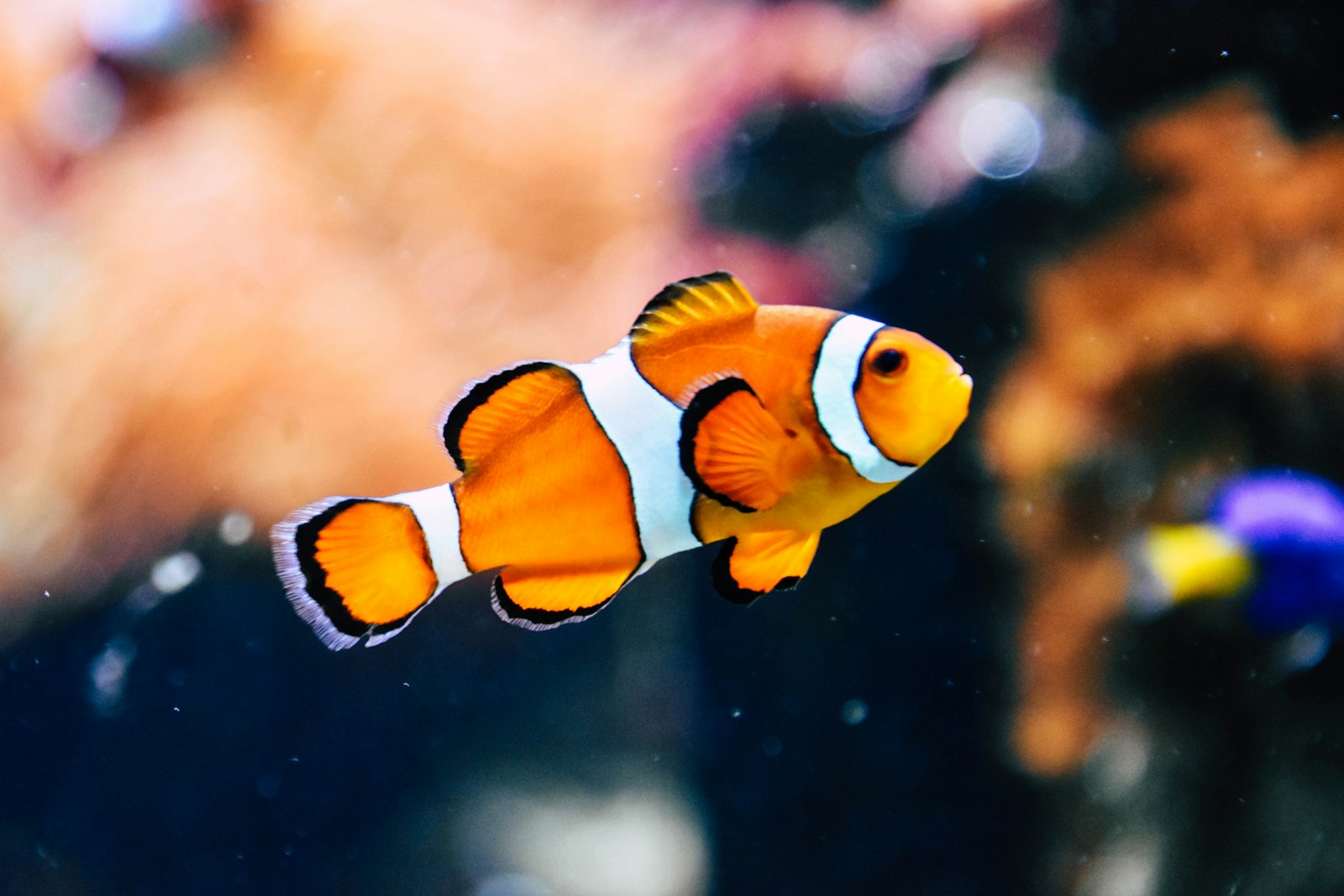
Bio-floc technology has matured.
Commercial bio-floc farms now achieve 15–25 kg/m3 stocking densities with feed conversion ratios under 1.4 — economics that simply did not exist five years ago.
Cold chain has finally arrived.
Quick-commerce, dark-store networks and 3PL cold-chain (ColdEX, Snowman) make it feasible to move a chilled fillet from pond to plate in 24 hours, at scale.
Imports under pressure.
Norwegian salmon and Thai prawn imports face price volatility, freight friction and rupee depreciation. Indian-grown alternatives have a clear domestic substitution story.
Government incentive structure is strong.
PMMSY (Pradhan Mantri Matsya Sampada Yojana) provides 40–60% capital subsidy on bio-floc tanks, RAS, hatcheries and cold-chain infrastructure.
Sized in three rings.
- Indian seafood exports crossed USD 7.4B in FY24 — prawns alone over 60% of that.
- Tilapia is the fastest-growing freshwater protein in HoReCa menus.
- Q-commerce seafood SKUs (Licious, FreshToHome) cross ₹3,000 cr+ in revenue.
- GCC and EU buyers continue to seek antibiotic-free, traceable Indian seafood.
How it works, end to end.
Intensive bio-floc / RAS farms
5–10 acre farm clusters in Andhra Pradesh (prawn, tilapia) and West Bengal (rohu). Bio-floc tanks for prawns, lined ponds for tilapia, and a small RAS unit for high-value species trials.
In-house hatchery
Owned hatchery for tilapia and prawn post-larvae avoids the single biggest input risk in aquaculture — bad seed. Surplus PL sold to neighbouring farmers as a secondary line.
Processing + cold chain
On-site processing unit (gut, fillet, IQF freeze) within 4 hours of harvest. Cold-chain dispatch directly to HoReCa and Q-commerce dark stores.
Multi-channel sell-through
60% HoReCa (hotels, cloud kitchens, Naploo), 25% Q-commerce private label, 15% direct export of value-added prawn to GCC/EU buyers.
Traceability layer
Every box carries a QR code linking to the pond, harvest date, feed batch and lab certificate. Antibiotic-free claim is independently verifiable.
Three compounding phases.
Build
- Tilapia + rohu wholesale to HoReCa
- Hatchery PL sales to neighbouring farmers
- PMMSY capital subsidy realisation
- Spot prawn sales to local processors
Brand + value-add
- Branded fillets in Q-commerce + modern trade
- Ready-to-cook marinated SKUs
- Naploo property supply contracts
- Export prawn (GCC, Vietnam, EU)
Platform
- Contract farming with smallholders
- Feed manufacturing JV
- Aquaculture SaaS (pond monitoring)
- Branded seafood retail expansion
Patient cadence, deliberate steps.
-
Q1 2027Site finalisation in West Godavari (AP). Soil and water table testing.
-
Q3 2027First 5-acre bio-floc + lined pond cluster commissioned. Hatchery construction begins.
-
Q1 2028First tilapia and prawn harvest cycle completes. Local wholesale begins.
-
2028–2029Processing unit operational. Branded SKUs launched in Q-commerce. Naploo supply begins.
-
20301,200 t / yr target achieved across multi-site network. First export prawn contracts signed.
-
2031Aquaculture SaaS productised; contract farming network of 50+ smallholders onboarded.
Who else is here — and why we're different.
- Owned production end-to-end — pond to plate.
- Hatchery + bio-floc + processing on a single site lowers cost and protects margin.
- Antibiotic-free, lab-tested, QR-traceable — export-grade by default.
- Anchor demand from Naploo and HoReCa stabilises cash flow during scale-up.
What can go wrong — and how we plan for it.
Disease outbreak (WSSV in prawn, streptococcus in tilapia)
Mitigation: Strict bio-security, all-in/all-out pond management, daily water-quality monitoring, insurance, multi-pond redundancy.
Feed price volatility
Mitigation: Long-term contracts with feed mills, eventual JV into feed manufacturing, fish-meal substitution research.
Cyclone / flood damage in AP & WB
Mitigation: Elevated pond berms, embankment reinforcement, crop insurance, geographic spread across two states.
Export rejection (antibiotic residue)
Mitigation: Antibiotic-free SOPs, third-party residue testing pre-shipment, EU and GCC compliance audits.
Commodity price compression
Mitigation: Value-added SKUs (marinated, IQF, ready-to-cook) shift the mix from commodity to branded margin.
Connected BIDUA divisions.
Every BIDUA bet feeds something else in the group. This one connects to:
 Live
Live
Naploo™ Smart Pod Hotels
Direct seafood supply for Naploo restaurant kitchens — anchor offtake and freshness story.
naploo.com Live
Live
BIDUA Hosting
Pond monitoring IoT and traceability backend run on BIDUA Hosting cloud.
biduahosting.com Live
Live
FinWault
Treasury, working-capital and FX management for export prawn contracts.
finwault.com
Questions partners and investors actually ask.
Why tilapia, prawn and rohu specifically?
Consumer acceptance, fast grow-out, intensive-system tolerance, and three different price points covering mass HoReCa to premium export.
How is bio-floc different from a regular pond?
Bio-floc cultures beneficial microbes that consume waste and become supplementary protein for the fish. Water exchange drops 90%+, stocking density rises 5–10x.
Are antibiotics used?
No. Bio-floc and tightly controlled water quality eliminate the need for routine antibiotics. Every harvest is lab-certified residue-free.
What is the realistic FCR?
Bio-floc tilapia: 1.2–1.4. Prawn: 1.4–1.6. These are best-in-class numbers and depend on disciplined feed management.
How fresh is the fish you sell?
Harvest to chilled-dispatch in under 4 hours, harvest to consumer plate in under 24 hours for Q-commerce and HoReCa.
Is the export market crowded?
Yes, but antibiotic-free, fully-traceable Indian prawn is structurally short. EU and Japanese buyers actively seek that profile.
What is the capex per acre?
Bio-floc clusters run ₹35–60 L per acre fully built, before PMMSY subsidy. Subsidy can reduce effective capex by 40–60% depending on category and state.
Want traceable, antibiotic-free seafood for your kitchen or store?
We are pre-qualifying HoReCa, modern-trade and export partners for the 2028 harvest cycle.