Flour Milling
An everyday ₹500 cr business hiding in plain sight — flour, branded right, milled clean, delivered on time.

India produces over 110 million tonnes of wheat a year, almost all of it consumed domestically as atta, maida and suji. The total flour market — wheat, rice, gram, multigrain — is estimated at ₹3 lakh crore. Yet only about 30% of urban consumption and less than 10% of rural consumption is branded. The rest still moves through the local chakki and the loose-grain mandi.
Branded flour, led by Aashirvaad (ITC), Pillsbury, Annapurna (HUL), Patanjali and regional players, is growing at 11–14% a year — faster than the underlying wheat consumption. Drivers: urbanisation, women joining the workforce, food-safety concerns about adulteration, and increasingly health-positioned variants (multigrain, sugar-control, fortified).
BIDUA Industries is exploring a fully automated flour mill in the wheat belt — likely Madhya Pradesh, Rajasthan or Western UP — producing chakki-fresh atta, refined maida, gram flour (besan), rice flour, and a curated range of fortified and multigrain SKUs. The play is not to fight ITC head-on; it is to build a regional brand with deep B2B reach and a tight, premium-tilted retail SKU set.
India eats more atta than any country on earth, and 70% of it still comes from the corner chakki. Branded flour is not a niche — it is the slow reformation of a ₹3 lakh crore staple market.
The opportunity, on its own terms.

Branded flour is migrating from urban to semi-urban.
Aashirvaad already ships into Tier-3 mandis. Consumers in towns of 1–3 lakh population are choosing branded ₹250–280/5 kg packs over loose chakki flour for the first time.
Wheat procurement has digitised.
eNAM, FPO networks and bank-funded warehouse receipt finance have lowered the entry barrier for a new mill to source wheat directly from farmers, bypassing traders.
HORECA is a huge, fragmented buyer.
Cloud kitchens, bakery chains, QSRs and the booming wedding-catering economy buy thousands of tonnes a month, almost entirely from regional unbranded mills. They want consistency, GST invoices and clean documentation.
Fortification mandates are tightening.
FSSAI and state PDS programmes increasingly require fortified atta (iron, folic acid, B12). Mills that built for fortification from day one earn a structural advantage.
Sized in three rings.
- Atta and maida dominate volumes; besan and rice flour carry higher margins.
- Multigrain and sugar-control variants growing at 25–30% — premium SKUs anchor the brand.
- HORECA / institutional B2B buyers pay slightly less per kg but in 1-tonne bag formats with predictable monthly offtake.
- Fortification can fetch ₹2–4/kg premium on government and corporate tenders.
How it works, end to end.
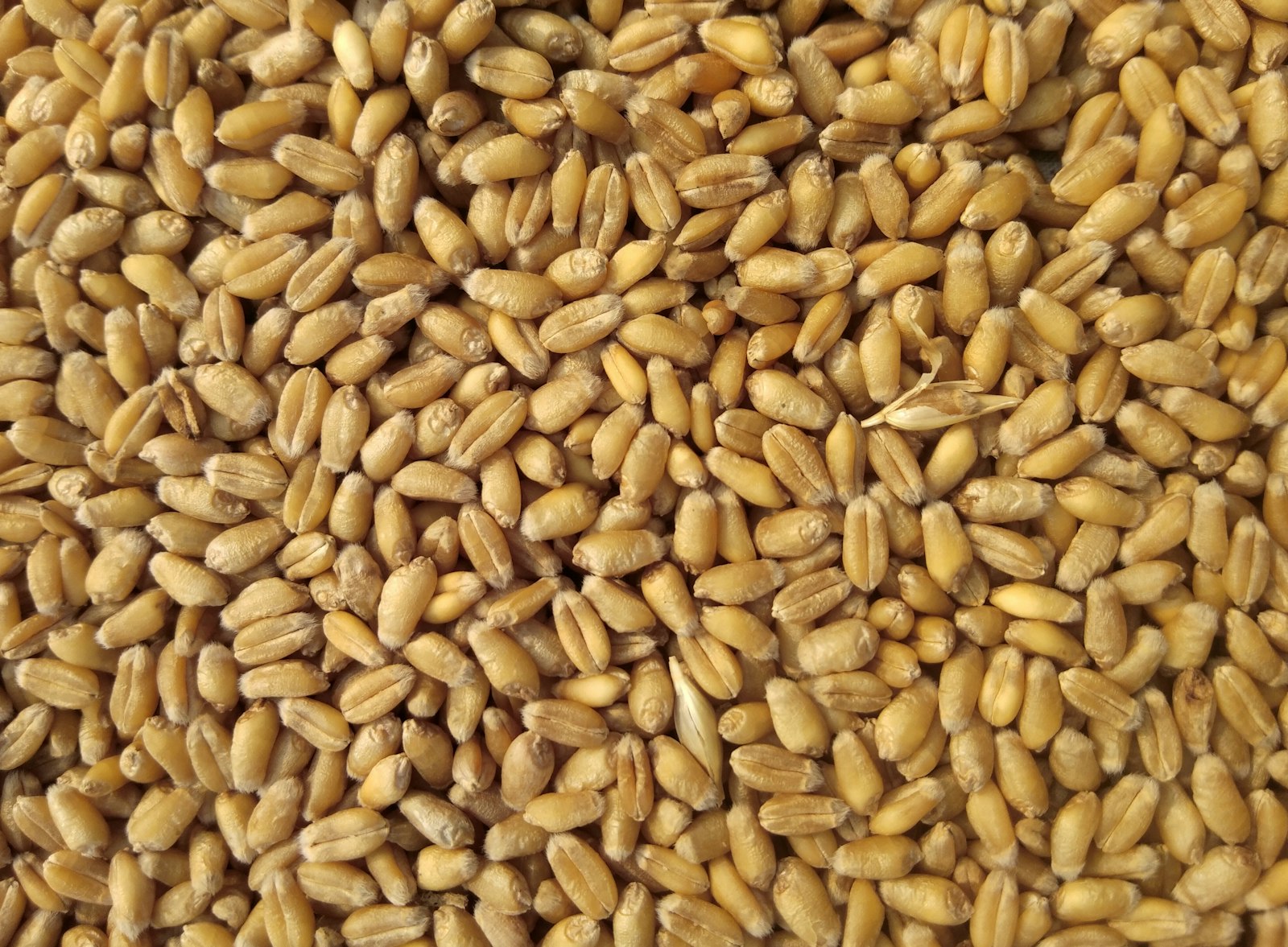
Backward-integrated procurement
Direct sourcing from FPOs and farmer aggregators in the wheat belt. Warehouse receipt finance via FinWault-style rails. Lower input cost by ₹1–2/kg vs trader-bought wheat.
Automated mill
100–200 TPD plant with chakki and roller-mill lines, integrated fortification dosing, cleaning, grading and packaging. Buhler / Satake / Indian equivalent equipment. Designed for 80%+ uptime.
Three-channel distribution
1) Branded retail SKUs — 1 kg, 5 kg, 10 kg packs through general trade and modern trade in 2–3 anchor states. 2) HORECA B2B — 25 kg / 50 kg bags to cloud kitchens, bakeries, QSRs. 3) Institutional — PDS / mid-day meal / corporate tenders.
Premium SKU tilt
Half the SKU list at launch is value (regular atta, maida, besan). The other half is premium — multigrain, sugar-control, fortified, sharbati wheat single-origin. Margins on premium are 2–3× the base.
Brand built on transparency
Stone-chakki claim is honest, not marketing. Wheat traceability — farmer, district, season — printed on the pack via QR. Cleaner than the chakki, more authentic than the maida bag — that is the brand position.
Three compounding phases.
Mill commissioning & B2B
- HORECA bulk sales (25–50 kg bags)
- Institutional / PDS tenders
- Wheat procurement trading float
- Wheat bran and by-product sales (cattle feed)
Branded retail
- Branded atta, maida, besan in 2-3 anchor states
- Premium multigrain and fortified SKUs
- Modern trade and quick-commerce listings
- Private-label contract manufacturing
Expand & adjacent
- Adjacent SKUs — suji, dalia, ready-mixes
- Export to GCC and SAARC (atta + besan)
- Brand licensing to regional partners
- Carbon and ESG-linked institutional contracts
Patient cadence, deliberate steps.
-
Q3 2027Location finalised (MP / Rajasthan / Western UP). Land, FSSAI and pollution clearances initiated.
-
Q1 2028Equipment order placed (9–12 month delivery). FPO procurement contracts signed for first season.
-
Q4 2028Mill commissioned. HORECA and institutional sales begin.
-
2029Branded retail launch in 2 anchor states. Distributor network of 200+ wholesalers.
-
2030Capacity utilisation ≥80%. Premium SKU portfolio at 30% of revenue.
-
2032Evaluate second mill or export expansion. Brand a top-5 regional player in anchor states.
Who else is here — and why we're different.
- Traceable wheat with farmer-and-origin labelling on every pack.
- Fortification-ready from commissioning — eligible for government tenders from year 1.
- Premium SKU tilt — 30%+ revenue from above-base segment.
- Tight, regional brand build — own a few states deeply before chasing national footprint.
What can go wrong — and how we plan for it.
Wheat price volatility
Mitigation: Warehouse receipt financing locks in price during procurement season (March–May). Diversified procurement across 3+ districts. Hedging via futures where liquid.
Thin gross margins
Mitigation: Premium SKU mix improves blended margin to 8–12%. By-product (bran, suji) revenue covers 5–6% of plant opex. B2B segment trades margin for predictable volumes.
Brand build in a crowded category
Mitigation: Start B2B first (no brand needed), use cashflow to fund retail brand from Year 3. Anchor in 2 states deeply rather than 22 states thinly.
Logistics and last-mile costs
Mitigation: Mill located at wheat source, not consumption centre — inbound cost is short, outbound is to depots. Bag-and-pallet design for HORECA cuts handling cost.
Adulteration / food-safety scandal
Mitigation: FSSAI compliance, in-line metal detection, ISO 22000 from commissioning, traceable lot codes on every pack. Recall protocols rehearsed.
Connected BIDUA divisions.
Every BIDUA bet feeds something else in the group. This one connects to:
 Live
Live
FinWault
Warehouse receipt finance, FPO payments and HORECA B2B credit lines.
finwault.com Live
Live
Naploo™ Smart Pod Hotels
Captive flour offtake across Naploo kitchens and breakfast operations.
naploo.com Live
Live
BIDUA Hosting
Procurement ERP, traceability QR backend and HORECA ordering portal.
biduahosting.com
Questions partners and investors actually ask.
Why enter a market dominated by Aashirvaad?
Aashirvaad operates at the top of the branded segment. Below it, the market is fragmented across regional mills with weak quality and packaging. The opportunity is to build a regional challenger in 2–3 anchor states with better fortification, traceability and HORECA reach.
What is the typical capex for a 100–200 TPD mill?
₹35–70 cr depending on automation level, fortification line and packaging spec. Working capital roughly equal to capex due to wheat procurement cycle.
How thin are the margins?
Branded retail atta operates at 3–5% EBITDA at the leader, premium variants and fortified SKUs lift the blended margin to 8–12%. This is a volume + working-capital game, not a high-margin one.
Why start with B2B before retail brand?
B2B (HORECA, institutional) does not need brand investment, has steady offtake, and pays in 15–30 days. It funds the brand build for retail in Year 3 without diluting equity.
Will BIDUA source wheat directly from farmers?
Yes, via FPO partnerships and direct procurement during the rabi season. Warehouse receipt finance lets us hold inventory at low cost from May to October.
Is export a real opportunity?
From Year 4 — GCC and East Africa import Indian atta and besan in container loads. Currently dominated by trader brands; a quality-led brand has room.
How does this connect to other BIDUA businesses?
Naploo properties and BIDUA staff canteens become captive demand. FinWault rails fund warehouse receipts and FPO payments. BIDUA Hosting underpins the procurement and ERP stack.
Back the boring business that feeds India.
We are speaking to wheat-belt land partners, FPO networks, HORECA anchor buyers and infrastructure investors for the 2028 mill cycle.