Food Truck
A fleet on wheels — rotating menus, app-tracked locations, and a franchise playbook for first-time founders.
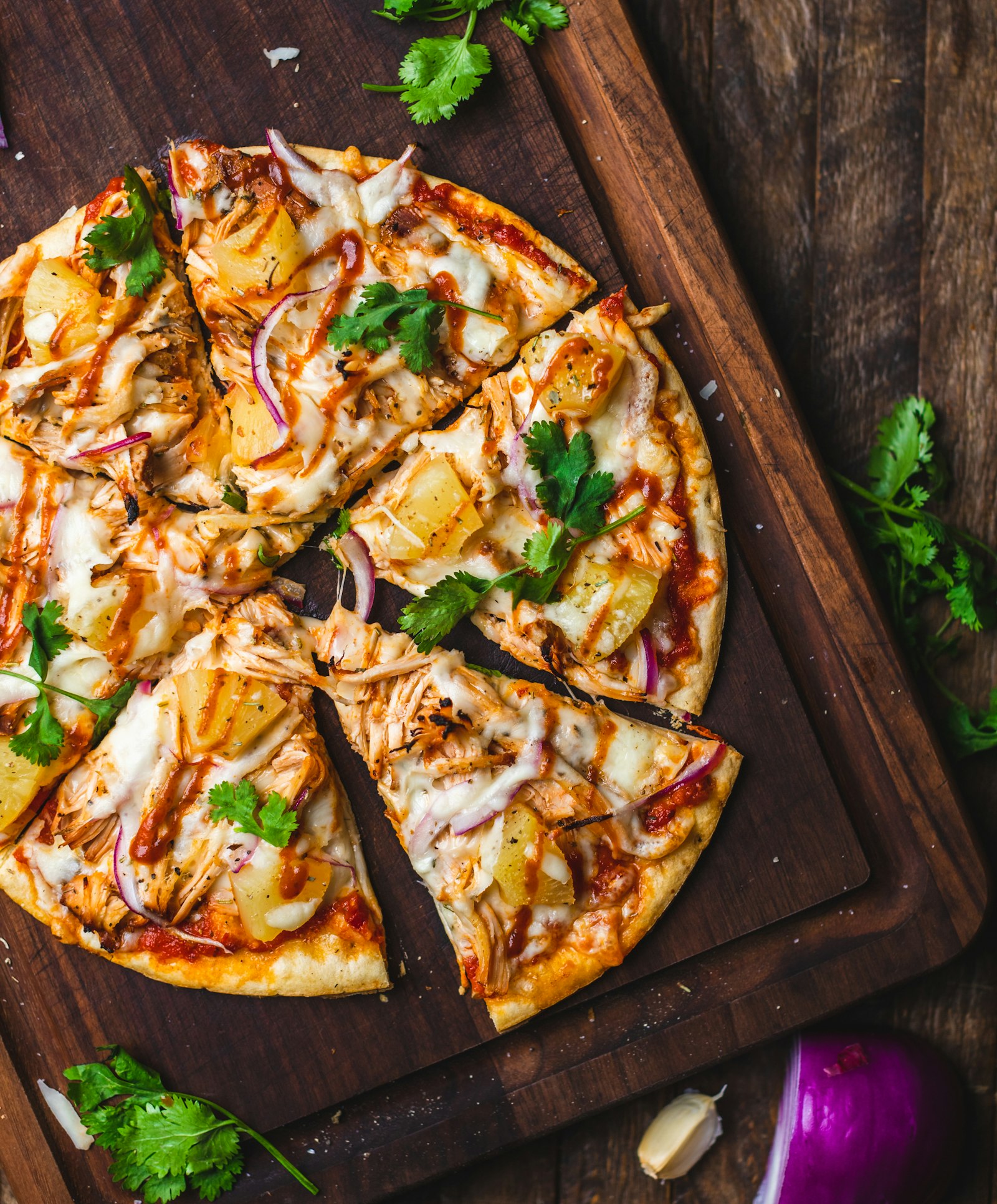
Indian food trucks have moved from novelty to mainstream — Bengaluru, Pune, Gurugram and Hyderabad now run organised truck parks every weekend, and consumers expect QSR-quality food at street prices. Yet the format is still fragmented: most operators are solo founders running one truck, with no shared brand, no app, no menu engineering and no resupply logistics.
BIDUA Food Truck is designed as a managed fleet — not a hobbyist project. Centralised commissary kitchens, GPS-tracked vehicles, a consumer app that shows the nearest truck and its live menu, and a franchise model that lets first-time entrepreneurs run a single truck under a known brand with full back-office support.
The idea is in concept stage. Numbers below are modelling targets, not realised results — but the unit economics of Indian food trucks are well-documented, and the gap in branded fleet operators is real.
A restaurant is a fixed bet on one neighbourhood. A food truck is a moving bet on the next neighbourhood — and the one after that. Real estate stops being your largest line item the moment your kitchen has wheels.
The opportunity, on its own terms.
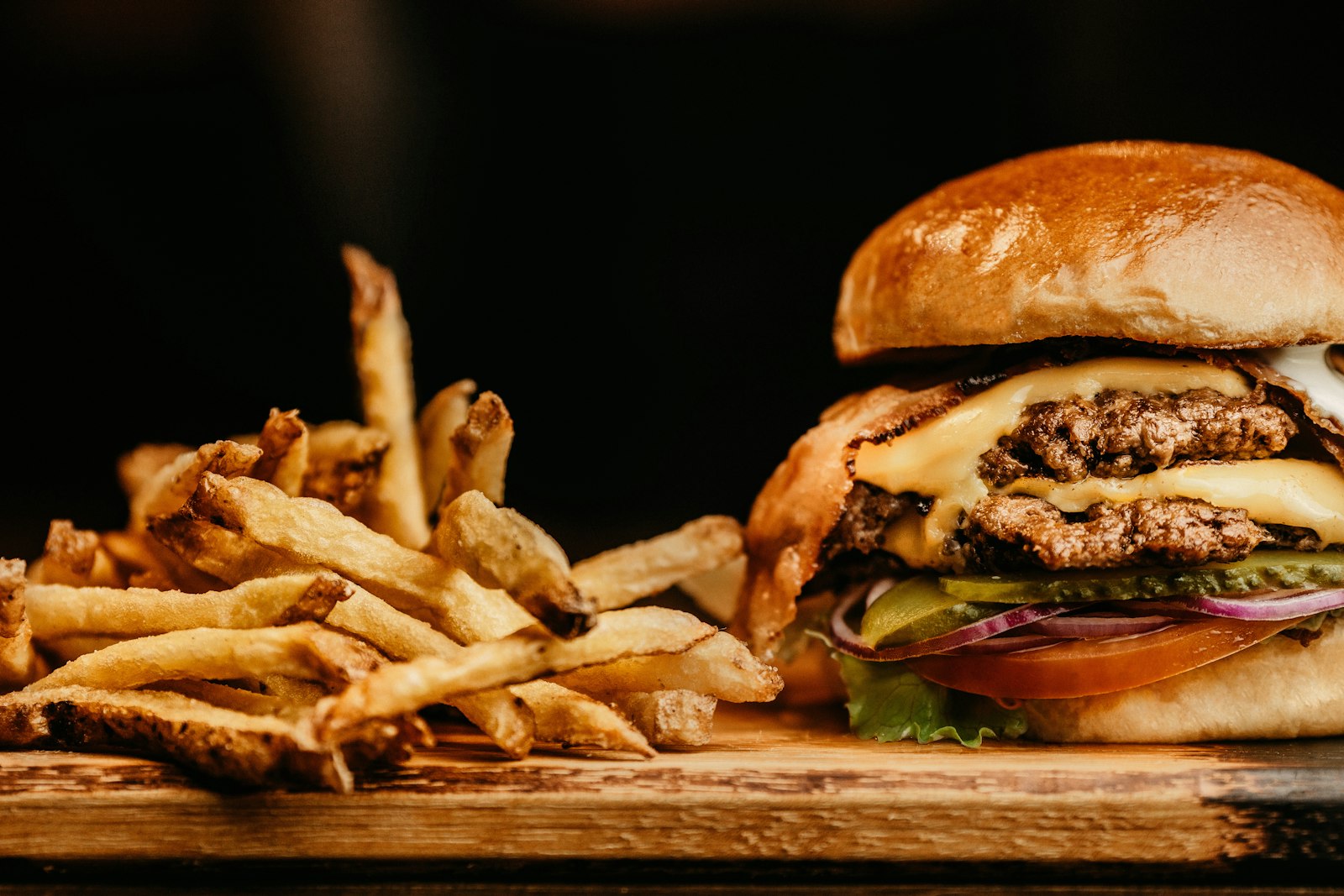
Cloud kitchens normalised delivery-first food.
Customers no longer associate a kitchen with a dining room. A truck is just a kitchen that comes to them — the mental shift is already done.
Municipal vending policies are formalising.
Several Indian cities have begun issuing dedicated food truck licences and park permits, replacing the older grey-zone street-food regime.
Vehicle financing is cheaper than ever.
Light commercial vehicles with kitchen conversions are widely available on lease, lowering the capex barrier for franchisees from ₹25 L to under ₹15 L.
Hyperlocal app discovery works.
Customers will travel for food they trust — but only if they know where it is. A real-time location app turns a moving asset into a destination.
Sized in three rings.
- Average Indian food truck: ₹15,000–35,000 per day topline in tier-1 cities.
- Franchise QSR economics in India typically settle around 18–22% EBITDA at scale.
- Weekend truck parks in Bengaluru and Gurugram routinely host 25–40 trucks with 5,000+ footfall.
- Corporate park catering contracts add stable B2B revenue alongside walk-in retail.
How it works, end to end.
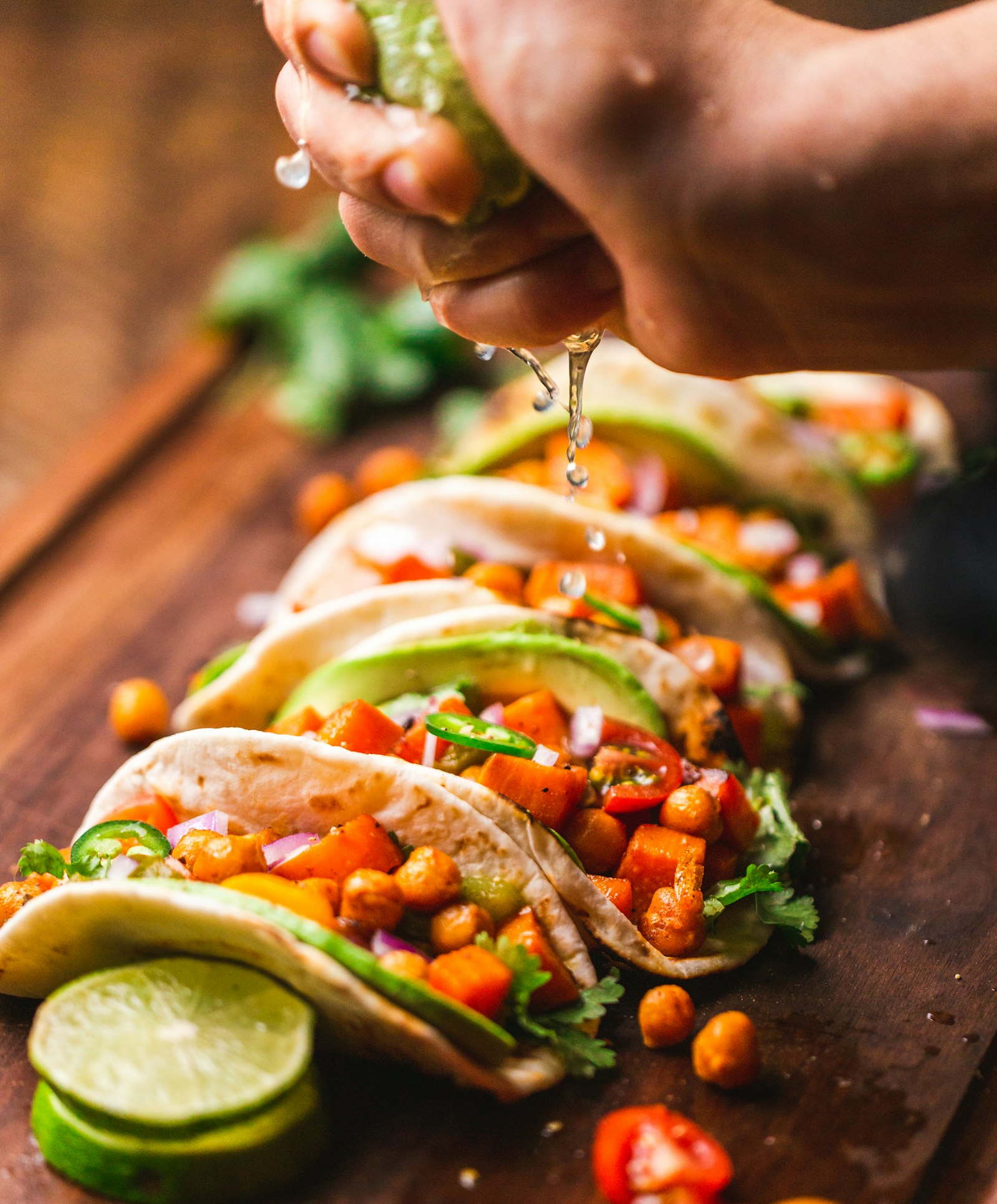
Centralised commissary
BIDUA operates a base kitchen per city where 70% of prep — sauces, marinades, doughs, par-cooked proteins — is done at scale. Trucks become assembly and finishing stations, which improves consistency and cuts on-board prep time.
Franchise-operated trucks
Individual entrepreneurs buy into the network. BIDUA supplies the branded truck, kitchen build-out, POS, app integration and weekly raw materials. Franchisee runs the daily operation and keeps a defined margin share.
Rotating menu engineering
Menus rotate by city, weather and season — biryani-heavy in summer evenings, soups and Indo-Chinese in winter. Central R&D ships new recipes monthly and trains franchisees through video SOPs.
App-based discovery
A consumer app shows every active truck, its current location, today's menu and a pre-order option. Customers can pin a favourite truck and get notified when it parks nearby.
Event & corporate channel
Beyond walk-in, trucks book private events, corporate lunch contracts, weddings and festivals. This smooths the weekday revenue dip and is the highest-margin channel.
Three compounding phases.
Pilot fleet
- Direct retail sales from 5–10 owned trucks
- Franchise onboarding fees
- Event and corporate catering
- Commissary supply margin
Franchise scale
- Per-truck royalty (% of GMV)
- Raw material wholesale margin
- Branded merchandise and packaging
- Sponsorship of truck wraps by partner brands
Platform
- App ads and featured-truck slots
- Data licensing on hyperlocal food demand
- Multi-brand operation from same truck (cloud-on-wheels)
- International franchise expansion
Patient cadence, deliberate steps.
-
Q2 2026Concept finalised — menu R&D and city selection (Noida, Gurugram, Bengaluru).
-
Q4 2026First two owned trucks roll out in Delhi NCR. Commissary leased in Noida.
-
Q2 2027Consumer app v1 launches with live tracking and pre-order.
-
Q4 2027First 10 franchise trucks signed and operational.
-
2028–2029Expansion to 5 cities, 50+ trucks, second commissary in Bengaluru.
-
2030Target of 200 trucks nationally; corporate catering becomes 30% of revenue.
Who else is here — and why we're different.
- Fleet-grade SOPs and central commissary — consistency that solo trucks cannot match.
- Real-time location app that turns a moving asset into a discoverable destination.
- Franchise model with low entry cost (under ₹15 L) versus ₹40 L+ for a QSR outlet.
- Rotating seasonal menus engineered centrally, executed locally.
What can go wrong — and how we plan for it.
Municipal licensing volatility
Mitigation: Engage early with municipal vending committees in each city; build a compliance team that holds permits as a portfolio.
Franchisee quality drift
Mitigation: Mystery shopper audits, mandatory POS-linked recipe adherence, six-monthly recertification of every franchisee.
Vehicle breakdowns hitting revenue
Mitigation: Standardised truck spec on a single LCV model, AMC contracts with the OEM, one floater truck per 10 in the city.
Weather / monsoon downtime
Mitigation: Indoor truck parks and mall partnerships during peak monsoon; menu shift to soups, biryani and indoor-friendly dishes.
Food safety incident
Mitigation: FSSAI compliance at the commissary, cold-chain raw material supply, on-truck temperature logging tied to the POS.
Connected BIDUA divisions.
Every BIDUA bet feeds something else in the group. This one connects to:
 Live
Live
Naploo™ Smart Pod Hotels
Hospitality crossover — Naploo hotels can host BIDUA trucks at properties and during events.
naploo.com Live
Live
BIDUA Hosting
Hosting infrastructure for the consumer app, POS sync and live location backend.
biduahosting.com Live
Live
FinWault
Franchisee onboarding, daily settlement and revenue-share reconciliation.
finwault.com
Questions partners and investors actually ask.
What is the total investment for a franchise truck?
Targeted at ₹12–18 lakh including the vehicle, kitchen fit-out, branding, POS and initial inventory. Final number depends on city and vehicle choice.
What kind of margin can a franchisee expect?
Mature units in the model show 18–22% EBITDA if menu and location discipline holds. First six months typically run lower while the route stabilises.
Who owns the truck?
The franchisee. BIDUA leases the brand, menu, commissary supply and tech stack. The vehicle and its registration sit with the franchisee.
Do I need cooking experience?
No. The commissary handles 70% of prep. Franchisees are trained on assembly, hygiene, POS and customer flow — restaurant background is helpful but not required.
How is the menu set?
Central R&D releases the master menu monthly. Each city has 2–3 regional variants. Franchisees do not freelance recipes — that is the whole point of a branded fleet.
Can I run more than one truck?
Yes, after 12 months of clean operation. Multi-truck operators get priority on prime event slots and corporate contracts.
What happens if my truck breaks down?
Standardised vehicles on AMC mean fast repair. Each city has a floater truck that can substitute for up to 48 hours while repair completes.
Is this an active concept or already running?
This is an early-stage idea inside BIDUA's incubation pipeline. The numbers here are targets and benchmarks — not realised results.
Run the first BIDUA food truck in your city.
We are pre-screening franchise partners for the 2027 launch wave in Delhi NCR, Bengaluru and Pune. One truck, full back-office, real margin share.