Gadgets Secure App
An Aadhaar-style registry for the gadgets you actually carry — and an insurance rail underneath it.

An average urban Indian household now owns 8–12 connected devices — smartphones, laptops, smartwatches, earbuds, tablets, cameras, drones, gaming consoles. The combined replacement value is ₹1.5L–₹4L per household. Yet there is no single registry where these devices live, no FIR template that auto-fills for a stolen iPad, no insurance product that covers the whole gadget bag, and no way to prove ownership when reselling on OLX or Cashify.
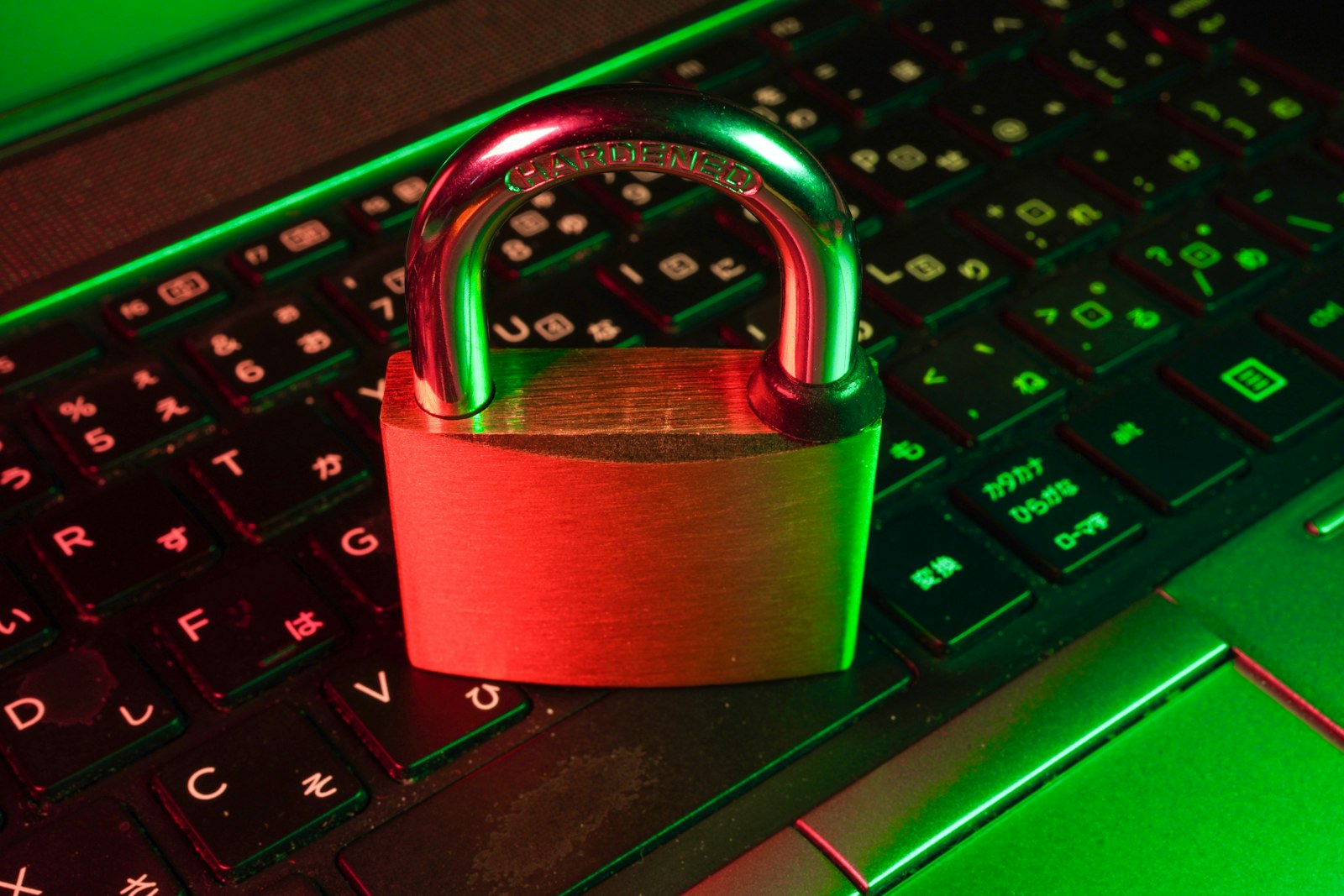
Gadgets Secure is conceived as that missing layer. Users register every device they own — serial number, invoice, photo, IMEI — into a single encrypted vault. The app links to manufacturer warranties, monitors for theft / loss, integrates SIM-card and operator APIs for tracking, and offers one-tap insurance purchase from partner insurers. If a device is stolen, the app generates a pre-filled FIR PDF, notifies the insurer, blocks IMEI via DoT's CEIR portal where applicable, and broadcasts the device to a national stolen-gadget registry.
Status: idea. The CEIR (Central Equipment Identity Register) infrastructure that powers IMEI blocking went live nationally in 2023 and is the regulatory tailwind this product needs. We have not yet built integrations with insurers, OEM warranty systems or DigiLocker. The market figures below are scenarios — what becomes possible if regulatory APIs hold and consumer trust is earned.
Indians today carry ₹1.5 lakh of electronics in a single backpack and zero of it is registered, tracked or insured. The first company that builds the trust layer becomes the gadget DigiLocker.
The opportunity, on its own terms.

CEIR went national in 2023.
India's Central Equipment Identity Register now lets any citizen block a stolen IMEI through a state portal — but the consumer UX is bureaucratic. A clean app layer can 10x adoption.
Gadget insurance is finally pricing right.
Insurers like Acko, Bajaj Allianz and OneAssist have launched per-device monthly plans at ₹49–₹299. They need a distribution layer that aggregates the whole gadget bag, not one device at a time.
Resale is a major liquid market.
Cashify, OLX, Quikr and Cred Garage process ₹15,000 cr+ of used-device transactions a year. Provenance and ownership proof is the missing trust layer — and it is what an insurer also needs at claim time.
Aadhaar + DigiLocker rails are mature.
KYC, ownership transfer and document verification can now be plumbed via Aadhaar e-sign and DigiLocker APIs at near-zero per-transaction cost — making the unit economics viable at ₹99/month.
Sized in three rings.
- Smartphones: 65M+ sold annually in India, average ticket ₹18,000.
- Laptops & tablets: 14M+ units / year, average ₹45,000.
- Wearables: India is the world's #2 smartwatch market — 50M+ units / year.
- Insurance attach today is 6–7% — same number in the US is 30%+, suggesting headroom.
How it works, end to end.
Freemium registry
Free to register any number of devices, store invoices, generate ownership proofs and access CEIR / FIR templates. The registry is the trust foundation.
Subscription protection
₹99 / month for one device, ₹249 / month for the whole household bag — covering theft alerts, remote lock-down workflows and concierge claim filing.
Insurance distribution
BIDUA earns 15–25% commission on policies sold through partner insurers. Single-policy, multi-device bundles and screen-damage add-ons live under one purchase flow.
Resale provenance API
Resale platforms (Cashify-tier) pay per ownership-verification API call. Establishes Gadgets Secure as the trust layer for used-device commerce.
Three compounding phases.
Free registry growth
- Free user acquisition via Play Store + creators
- Pilot insurance partnerships (1–2 insurers)
- Subscription ₹99 / month tier launches
- OEM bundling conversations
Insurance scale
- Multi-insurer marketplace inside the app
- Family + bag plans ₹249–₹599 / month
- OEM warranty extension bundles
- Repair-partner referral fees
B2B + data
- Resale provenance API licensing
- Enterprise device-fleet plans for SMEs
- Anonymised market intelligence for OEMs
- Embedded financial products (EMI, buyback)
Patient cadence, deliberate steps.
-
Q4 2026App MVP — registration, invoice scanning, manual CEIR linking.
-
Q2 2027First insurance partner integrated. Subscription tier opens.
-
Q4 2027Auto IMEI / serial detection. FIR template generator goes live.
-
2028Resale provenance API. Cashify / OLX integration discussions.
-
2029OEM partnerships — pre-registered devices at purchase from select brands.
-
2030Cross-border launch: UAE and SEA markets with comparable IMEI registries.
Who else is here — and why we're different.
- Cross-OEM, cross-OS registry — every device in one place, not one app per brand.
- Insurance + FIR + CEIR in a single tap — closes the gap between event and resolution.
- Resale provenance becomes a network effect — used-market platforms need it.
- Built on FinWault's KYC and ledger primitives for compliant policy administration.
What can go wrong — and how we plan for it.
Insurer dependency
Mitigation: Multi-insurer marketplace from day one. No exclusivity. Negotiate based on volume, not lock-in.
Trust on storing serials + invoices
Mitigation: End-to-end encryption, no plaintext serial storage server-side. SOC2 / ISO 27001 commitment within 18 months of launch.
Regulatory shift in CEIR APIs
Mitigation: Active engagement with DoT. Manual FIR workflows as fallback. Government partnership track.
Low conversion from free registry to paid
Mitigation: Insurance attach at purchase moment (OEM partnerships) is the unit-economics anchor. Pure DTC conversion is upside.
Idea-stage demand assumptions
Mitigation: Kill criteria — if month-12 free-to-paid conversion is below 4%, pivot to B2B fleet management instead of consumer subscription.
Connected BIDUA divisions.
Every BIDUA bet feeds something else in the group. This one connects to:
 Live
Live
FinWault
KYC, policy ledgering and insurance commission flows run on FinWault primitives.
finwault.com Live
Live
BIDUA Hosting
Secure encrypted document vault and audit-log infrastructure.
biduahosting.com Live
Live
PersistIP
Mobile and backend engineering, plus shared identity / auth layer.
ip.bidua.in
Questions partners and investors actually ask.
Why do I need this if my iPhone already has Find My?
Find My only protects Apple devices. Most Indian households have a mix of Android phones, Windows laptops, fitness bands and accessories from 5+ brands. Gadgets Secure unifies all of them.
What does it cost?
Registry is free forever. Subscription protection starts at ₹99 / month for one device or ₹249 / month for a whole household bag. Insurance is a la carte from partner insurers.
Is my invoice and IMEI data safe?
Yes. Documents are end-to-end encrypted and stored on BIDUA Hosting's India-resident servers. Serial numbers are hashed server-side.
What happens if my phone is stolen?
Open the app, mark device as lost. We auto-generate the FIR PDF, trigger CEIR blocking, notify your insurer, and broadcast the IMEI to our national stolen-gadget registry.
Do you sell my data to OEMs?
Never on an individual basis. Aggregated, anonymised market intelligence may be sold to OEMs from 2029 — strictly opt-in.
Can I prove ownership to a buyer when selling?
Yes. The app generates a verifiable ownership certificate that resale platforms can validate via API. We sign and timestamp the proof.
Which insurers will be on the platform?
Target launch partners are Acko, Bajaj Allianz, ICICI Lombard and OneAssist. Final partnerships will be confirmed before public launch.
Is this an idea or a product I can use today?
Idea stage. MVP targets Q4 2026 closed beta. We will not market or take subscription money until the product is fully production-ready.
Register your gadget bag before someone else does.
We're opening a closed beta in Q4 2026 for 5,000 households. Free lifetime registry, first-year insurance at cost.