Grocery on Door
Hyperlocal grocery in 30 minutes — built on neighbourhood stores, not dark warehouses.
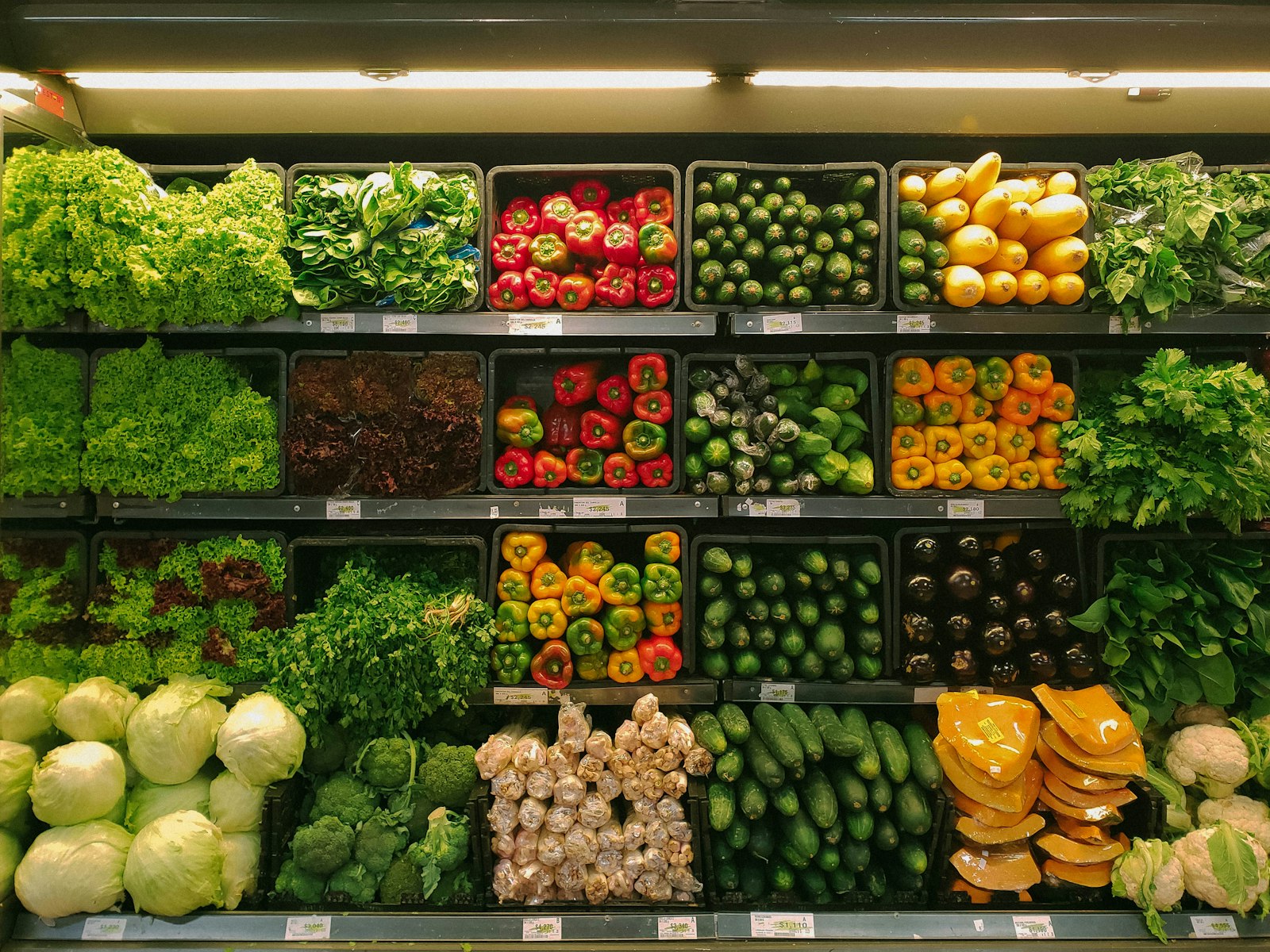
India already has the world's densest retail network — roughly 13 million kirana stores covering virtually every residential block. What it lacks is a software layer that turns these stores into a 30-minute delivery network without building expensive dark stores at every corner.
Grocery on Door is BIDUA's hyperlocal play: partner with existing neighbourhood kirana and fresh-produce stores, equip them with a lightweight POS and order management app, route the nearest store's stock to the customer through a shared rider pool. No dark stores. No deep inventory bets. No ₹400 cr in burn before the first profit.
This is an idea-stage concept. The numbers below describe the model's targets, not realised results. The competition (Blinkit, Zepto, Instamart) is well-funded but follows a dark-store-first playbook with significant unit-economics pressure — the kirana-led approach is the structural alternative.
Every neighbourhood already has the warehouse — it is called the kirana. The question was never inventory, it was operating system. Hand the corner store a phone, a route, and a queue, and dark stores stop making sense.
The opportunity, on its own terms.
Quick-commerce trained the consumer.
Customers now expect 10–30 minute grocery delivery. The behavioural shift is locked in; the open question is who serves it sustainably.
Dark-store economics are bleeding.
Each dark store costs ₹40–80 lakh to set up and burns until density arrives. A kirana-led network skips that capex.
ONDC and UPI lower the integration cost.
Open commerce rails, fast settlement and free QR-code POS mean a kirana can be online in a day, not a quarter.
Kiranas need a digital lifeline.
Modern trade and quick commerce are eating into traditional store revenue. A well-built partner platform is mutually defensive.
Sized in three rings.
- Average urban household spends ₹8,000–15,000 per month on groceries.
- Quick commerce average order value: ₹140–180 — small basket, high frequency.
- Indian kirana stores average ₹1.5–3 lakh monthly turnover; a digital channel can lift this 20–30%.
- Repeat purchase rate in grocery is the highest in e-commerce — typically 6–8x per month per active user.
How it works, end to end.
Kirana partnership
BIDUA onboards neighbourhood kirana stores and fresh-produce shops as fulfilment partners. Each store gets a free POS app, basic inventory tooling and access to the rider pool. No exclusivity required.
Consumer app
Customers see a unified catalogue. The platform auto-routes the order to the nearest store with stock. From the customer's view it is a single experience; under the hood it is a network of independent shops.
Shared rider pool
BIDUA operates a city-level rider network (gig + permanent), not store-level. One rider can pick from multiple stores on a single trip, lowering cost per drop.
Take rate
Platform takes 8–12% of order value from the kirana, plus a small consumer convenience fee. Significantly lower than dark-store gross margin targets — the network is the moat, not the markup.
Value-added services for stores
Inventory financing, demand-forecast tools, bulk procurement at negotiated rates through the B2B grocery arm. Each layer increases switching cost for the partner.
Three compounding phases.
Pilot density
- Platform commission per order
- Consumer convenience fee
- Rider services to partner stores
- Onboarding-fee waivers (loss-leader)
Scale & lock-in
- Brand placement and category sponsorship
- Inventory financing to kirana partners
- Private-label essentials
- Subscription tier (free delivery, priority slots)
Platform
- B2B procurement margin (links to BIDUA B2B Grocery)
- Data licensing (anonymised demand)
- Loyalty and payments tie-ins
- Tier-2 city expansion via franchise model
Patient cadence, deliberate steps.
-
Q3 2026Concept finalised. Two pilot pin-codes selected in Noida and Greater Noida.
-
Q1 2027First 50 kirana partners onboarded. Consumer app v1 launches in pilot zones.
-
Q3 2027Expansion to full Delhi NCR with 500 partner stores.
-
2028Bengaluru and Mumbai launch. Rider pool standardised across cities.
-
2029B2B grocery integration goes live — kiranas procure their own stock through the platform.
-
2030Target 5,000 partner stores across 20 cities; tier-2 franchise model rolls out.
Who else is here — and why we're different.
- Asset-light — no dark stores, no inventory bets, no 40 cr capex per city.
- Kirana-positive — partner story matters in policy and brand environments alike.
- Shared rider pool across stores lowers cost per drop vs single-store dispatch.
- Natural upstream link to BIDUA B2B Grocery — kirana sources from the same group.
What can go wrong — and how we plan for it.
Inventory inconsistency across stores
Mitigation: Daily SKU sync from POS, smart catalogue that hides out-of-stock items per pin-code, multi-store fallback in routing.
Rider unit economics
Mitigation: Multi-store batching, gig-permanent hybrid model, dynamic surge pricing during peak hours.
Capital-rich competitors undercutting on price
Mitigation: Compete on margin sustainability, not discounts; lock in convenience subscribers; lean on lower capex base.
Kirana drop-off / churn
Mitigation: Free POS, monthly settlement transparency, value-added financing and procurement to raise switching cost.
Food safety / cold chain
Mitigation: Pre-onboarding store audit, periodic surprise inspections, refrigeration grants for top-performing partners.
Connected BIDUA divisions.
Every BIDUA bet feeds something else in the group. This one connects to:
 Live
Live
BIDUA Hosting
Cloud and backend infra for the POS, catalogue, routing engine and partner dashboards.
biduahosting.com Live
Live
FinWault
Daily merchant settlement, inventory financing and partner credit lines.
finwault.com Live
Live
PersistIP
Networking primitives — store-level connectivity, secure payments, partner-side authentication.
ip.bidua.in
Questions partners and investors actually ask.
How is this different from Blinkit or Zepto?
They build dark stores and own inventory. We partner with existing kiranas and own the software and rider layer. Much lower capex, slower density build, structurally lower break-even.
What does a kirana have to invest?
Nothing upfront in the pilot — free POS app, free onboarding. The platform earns only when the store earns.
Can the kirana still serve walk-in customers?
Absolutely. The platform is additional revenue, not exclusive. Most stores already serve walk-in and phone-order customers — we add a third channel.
What is the delivery promise?
30 minutes in dense urban pin-codes. Some categories (fresh fish, frozen) may run longer windows during the pilot.
How does the rider pool work?
Riders are city-level, not store-level. They serve any partner store within a 2 km cluster, which improves per-trip economics versus single-store dispatch.
Is there a minimum order?
Pilot target is ₹99 minimum order. Below that, a small delivery fee applies. The aim is to keep impulse purchases viable.
Will BIDUA stock its own products?
Eventually yes — private label and BIDUA-procured essentials. But the partner kirana always gets the fulfilment margin even on private label.
When does this launch?
Concept stage today. Pilot targeted for Q1 2027 in Delhi NCR. Public launch contingent on pilot performance.
Bring your kirana online with BIDUA.
We are signing up the first 50 partner stores in Delhi NCR for the Q1 2027 pilot. Free POS, free onboarding, real orders within 30 days.