Gym Chain
Bringing world-class fitness to tier-2 India at a price the salaried family can actually afford.

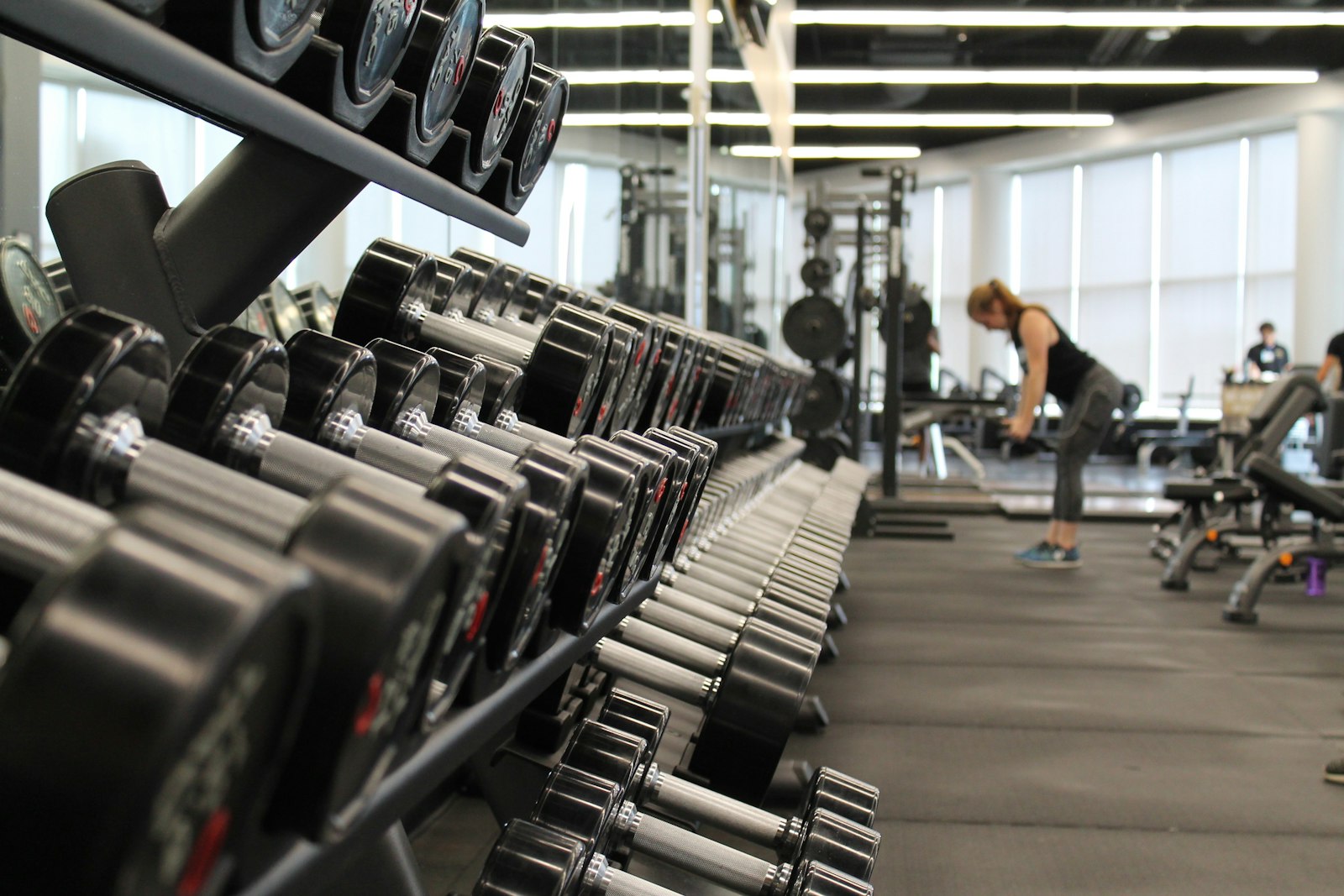
India has 22,000-odd gyms — but more than 70% are concentrated in the top 12 metros. In Lucknow, Indore, Patna, Bhubaneswar, Coimbatore, Jaipur and the 80+ tier-2 cities with a million-plus population, the average gym is still a single-owner cement room with mismatched plate-loaded equipment, no air-conditioning and one untrained 'coach'.
Meanwhile India's diabetes and obesity numbers are accelerating. The ICMR-INDIAB study (2023) found that 101 million Indians are diabetic and 315 million are hypertensive — and the steepest growth curves are in non-metro India, where disposable income has risen but lifestyle infrastructure has not.
BIDUA Industries is exploring a tier-2/3-first fitness chain built around three principles: standardised equipment from a single OEM, certified trainers paid above the local market, and a price point under ₹1,500 a month. The objective is not to copy Cult.fit or Anytime Fitness — it is to bring the small-town family their first real gym.
India's fitness boom skipped its small cities. The people who need it most — overworked, overweight, underserved — are still paying ₹3,000 a month for a sweaty room with three broken treadmills.
The opportunity, on its own terms.

The non-metro lifestyle gap is widening.
Tier-2 households now spend on smartphones, OTT and food delivery — but have no gym worth paying for. Disposable income exists; supply does not.
Health insurance is rewarding fitness.
ICICI Lombard, HDFC ERGO and Niva Bupa now offer 5–15% premium discounts for tracked gym attendance — a structural tailwind that did not exist three years ago.
Equipment is finally affordable.
Indian-made commercial equipment from Energie, Cosco and Cockatoo has reached parity with imported brands at 40% of the price — fundamentally changing club-level unit economics.
Cult.fit and Anytime have proven the model, but priced out small India.
Their ₹2,500–4,500/month memberships work in Bengaluru. They do not work in Bareilly. The price gap is the opportunity.
Sized in three rings.
- India has only 0.15 gym-goers per 100 people vs 18 in the US and 8 in China — a structural under-penetration story.
- Tier-2/3 cities account for 47% of India's urban population but less than 12% of organised fitness revenue.
- Average tier-2 gym member spends ₹1,800–2,400/month including supplements — close to a metro member's spend pattern.
- Group-class formats (Zumba, HIIT, functional training) have proven 3× monetisation vs free-weight-only floors.
How it works, end to end.
Cluster-based rollout
Enter one state at a time — 4 to 6 clubs per state — to share regional trainer pools, equipment logistics and marketing spend. First cluster: Uttar Pradesh (Lucknow, Kanpur, Varanasi, Allahabad, Gorakhpur).
Standardised club design
5,000 sq ft footprint, single-vendor equipment package (~₹65 lakh per club), identical floor plan. New clubs open in 90 days from lease signing because nothing is custom.
Three-tier membership
Lite (₹999/mo, gym floor only), Plus (₹1,499/mo, includes group classes), Elite (₹2,499/mo, includes personal training session credits and nutrition counselling). Annual prepay discounts of 20%.
Trainer-as-employee, not contractor
Certified trainers (ACSM / K11) on salary plus per-session incentives. Higher base pay than the local market — turnover under 15%, which is the single biggest predictor of member retention in fitness.
Asset-light franchise wave (Phase 2)
Once 8 corporate-owned clubs prove unit economics, open franchising with a ₹15 lakh fee, 8% royalty, and BIDUA-managed equipment, software and trainer hiring.
Three compounding phases.
Pilot cluster
- Membership fees (~70% of revenue)
- Personal training packages
- Joining/registration fees
- Group class drop-ins
Cluster scale-up
- Nutrition counselling subscriptions
- Sports supplements retail (in-club shop)
- Corporate wellness contracts (local IT parks, banks)
- Branded apparel and merchandise
Franchise + ancillary
- Franchise fees and royalties
- Insurance partnership rebates (tracked attendance)
- Physiotherapy and recovery add-ons
- Online coaching / app subscriptions
Patient cadence, deliberate steps.
-
Q1 2027Market study completed across 12 tier-2 cities in UP, MP and Rajasthan. Equipment vendor shortlist and pilot site identified.
-
Q3 2027First flagship club opens in Lucknow. 90-day pre-launch enrolment drive targets 800 founding members.
-
Q2 2028Clubs 2–4 opened in Kanpur, Varanasi and Allahabad. Trainer training academy launched in-house.
-
2029Cluster expansion into MP (Indore, Bhopal, Gwalior). Insurance partnership signed with at least one major health insurer.
-
203020 corporate-owned clubs operational. Franchise programme opens for the first 10 partner cities.
-
203240-club network milestone. Mature clubs throw off 25%+ EBITDA margins; brand ready for either PE growth round or strategic exit.
Who else is here — and why we're different.
- Single price band purpose-built for the tier-2 salaried household, not adapted from metro pricing.
- Standardised 90-day club rollout — five times faster than typical Indian gym chains.
- Salaried trainers with proper certification — almost unheard of below tier-1.
- Insurance-linked attendance rebate built in from day one — a behavioural lock-in metro gyms ignore.
What can go wrong — and how we plan for it.
Member churn after 3 months (industry norm 50–60%)
Mitigation: Onboarding programme with mandatory free trainer assessment, 12-week starter plan, group-class community formation. Target: 6-month retention above 55%.
Real estate cost inflation in growing tier-2 cities
Mitigation: Sign 9-year leases with 5-year locked rent at launch. Anchor on first-floor / second-floor properties (cheaper than ground-floor retail).
Trainer poaching by metro chains
Mitigation: Own training academy creates supply faster than competitors can poach. Salary + ESOP-style retention bonuses for 3+ year trainers.
Local regulatory/license friction
Mitigation: Dedicated municipal liaison per cluster. Pre-clear shop & establishment, fire NOC and music licensing before signing the lease.
Recession or income shock in target customer segment
Mitigation: Lite tier (₹999) is positioned at a household's discretionary floor. Pause-membership (not cancel) flow built into the app.
Questions partners and investors actually ask.
Why tier-2/3 instead of metros?
Metros are over-served and over-priced for what's on offer. Tier-2/3 has rising income, rising lifestyle disease, and no credible organised supply. The CAC is a third of what it costs in Bengaluru.
How is ₹999 per month even possible?
Standardised club design (no custom interiors), in-house trainer pipeline (no agency markup) and single-vendor equipment (volume pricing) bring per-member fixed cost under ₹450. Above 700 members per club the model works.
Is this a franchise from day one?
No. The first 8–10 clubs will be corporate-owned to prove and document the unit economics. Franchising opens only after the playbook is locked.
What's the expected payback per club?
Modelling suggests 18–22 months at a steady-state of 750+ active members. Capex per club is ~₹85 lakh including equipment, fit-out and pre-opening marketing.
How will trainers be qualified?
Minimum K11 / ACE / ACSM certification, plus a 6-week BIDUA Fitness Academy programme covering our member-onboarding methodology. We will run our own academy in Lucknow.
Will there be a women-only zone?
Yes. Every club includes a dedicated women's training zone with a female trainer present in all morning and evening peak slots. This is non-negotiable in our format.
Do you offer personal training?
Yes, sold as session packs (8/16/24 sessions) on top of any tier. Elite members get a starter set bundled with membership.
Open the first BIDUA Fitness Club in your city.
We are evaluating franchise and area-development partners for the 2028 rollout across UP, MP, Bihar and Rajasthan. Long horizon, real demand, honest unit economics.