Hookah Without Coal
Hookah without the smoke, the coal, or the regulatory risk — pure flavour, pure vapour, pure control.

Traditional hookah depends on burning charcoal over flavoured molasses. It produces carbon monoxide, smoke, lingering odour and an indoor air-quality footprint that has put the category under heavy regulatory pressure across India, with state-level bans on hookah bars in Maharashtra, Karnataka, Gujarat and Telangana.
BIDUA's electronic hookah concept removes combustion entirely. A temperature-controlled heating element vaporises a glycerine-based flavour liquid into a smooth, flavoured vapour — closer to ultrasonic humidifier physics than tobacco combustion. The product is positioned as a non-tobacco, non-nicotine, food-grade flavoured vapour experience for hospitality venues and home use.
This is an idea-stage product. Regulatory clarity around vapour devices in India is evolving — the 2019 PECA Act banned e-cigarettes containing nicotine, while non-nicotine flavour vapour sits in a separate, narrower lane. Any market entry will be contingent on a clean legal opinion and explicit non-tobacco positioning.
Combustion is the part everyone hates — the smoke, the smell, the burn, the regulation. Strip that out and what's left is the only thing the customer ever actually wanted: flavour, slowed down and shared.
The opportunity, on its own terms.

Coal hookah is being regulated out of hospitality.
Bans across multiple states have shut down traditional hookah lounges. Venues need a compliant alternative or they lose the category entirely.
Indoor air-quality awareness is climbing.
Post-Covid, customers are sensitive to indoor smoke. A vapour-only device opens hookah back up to restaurants, cafés and rooftops that would never allow coal.
Hardware costs have collapsed.
Atomiser, heating coil and battery components are now commodity-grade thanks to the global vape industry — the bill of materials for a premium device is under ₹1,200.
Flavour science is mature.
Food-grade flavour liquids (the same families used in beverage and bakery) deliver hundreds of profiles with no tobacco involvement at all.
Sized in three rings.
- Pre-ban Indian hookah lounges were a ~₹2,000 cr informal market — much of it is looking for a compliant replacement.
- Premium hotel bars in Dubai, Istanbul and London now offer coal-free vapour hookah as a wellness-adjacent product.
- Refill flavour cartridges are a high-margin recurring revenue stream — 70%+ gross margin at scale.
- Device + cartridge model mirrors successful razor-and-blade economics.
How it works, end to end.
Hardware device
A portable, rechargeable electronic hookah with food-grade ceramic heating, precise temperature control (180–240°C), removable flavour cartridge bay and a battery rated for full evening sessions.
Flavour cartridges
Sealed, single-use or refillable cartridges with food-grade glycerine, vegetable glycerine and natural flavour compounds. Explicitly tobacco-free and nicotine-free. Sold in flavour families — fruit, dessert, mint, classic shisha-style.
Hospitality channel
Direct sales to lounges, rooftops, hotel bars and restaurants who lost the coal-hookah category. Venue pays for the device and buys cartridges on a managed-supply contract.
Direct consumer
Premium consumer SKU sold online and through curated lifestyle retail. Subscription model on flavour cartridges.
White-label & private brand
OEM the hardware to hospitality groups and lifestyle brands who want their own branded device — BIDUA supplies hardware and flavour, partner owns the front-end brand.
Three compounding phases.
Hardware launch
- Premium device sales to hotels and lounges
- Initial cartridge supply contracts
- Pilot D2C sales online
- Pre-orders from BIDUA network
Cartridge recurring
- Subscription cartridge refills
- Venue managed-supply agreements
- Limited-edition seasonal flavours
- Naploo property bundling
Platform
- White-label OEM to lifestyle brands
- Flavour licensing with beverage partners
- Export to GCC and SE Asia
- Connected-device upsells (app, session sharing)
Patient cadence, deliberate steps.
-
Q3 2026Concept and legal review — confirm tobacco-free, nicotine-free positioning under Indian law.
-
Q1 2027First hardware prototype with three flavour profiles.
-
Q3 2027Hospitality pilot at 10 partner venues including Naploo properties.
-
Q2 2028Consumer device launches D2C with 25 flavour SKUs.
-
2029OEM and private-label deals signed with 3 lifestyle hospitality groups.
-
2030Target 1,500 venues across India and first GCC export contracts.
Who else is here — and why we're different.
- Explicit tobacco-free and nicotine-free design — opens the hospitality channel that lost coal hookah.
- Food-grade flavour science, not vape pharmacology.
- Temperature-controlled ceramic heating for consistent vapour without dry hits.
- Cartridge razor-and-blade economics with 70%+ refill margin.
What can go wrong — and how we plan for it.
Regulatory reclassification
Mitigation: Pre-launch legal opinion, conservative tobacco-free positioning, ongoing engagement with central and state authorities; pause the launch if classification turns adverse.
Consumer perception (still 'looks like vape')
Mitigation: Premium hospitality framing, design language closer to a humidifier than a vape pen, explicit tobacco-free labelling and venue training scripts.
Cheap grey imports undercutting price
Mitigation: Build the moat on cartridge quality and venue contracts, not hardware. Hardware is loss-leader in the long run.
Health concerns about glycerine vapour
Mitigation: Use only food-grade compounds, publish ingredient transparency, third-party lab certification, no nicotine ever.
Hospitality channel slow to adopt
Mitigation: First 50 venues seeded through Naploo and partner hotel groups; managed-supply contracts reduce venue capex risk.
Connected BIDUA divisions.
Every BIDUA bet feeds something else in the group. This one connects to:
 Live
Live
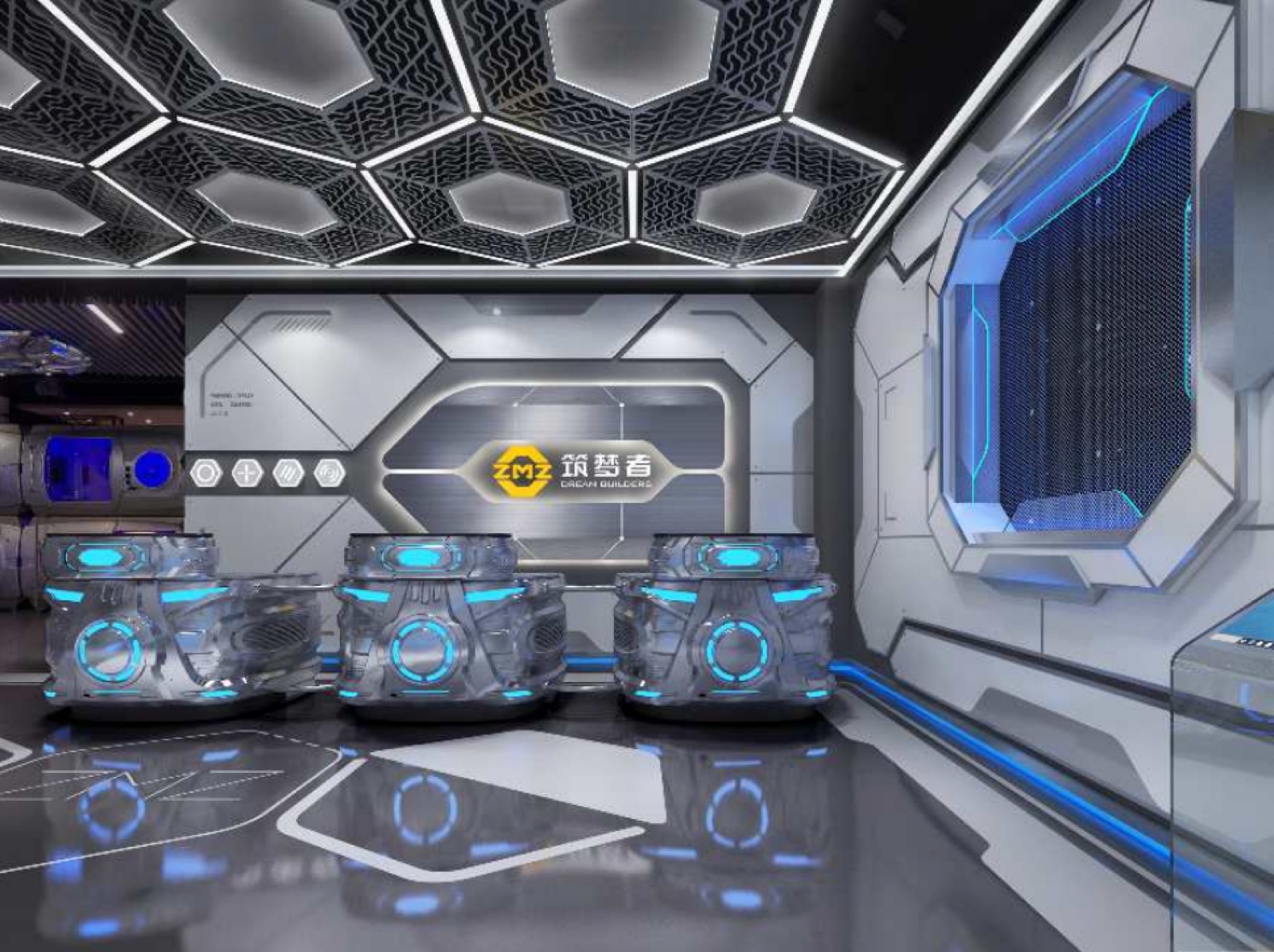
Naploo™ Smart Pod Hotels
Hospitality flagship channel — Naploo hotels and rooftops are the natural first-cohort venues.
naploo.com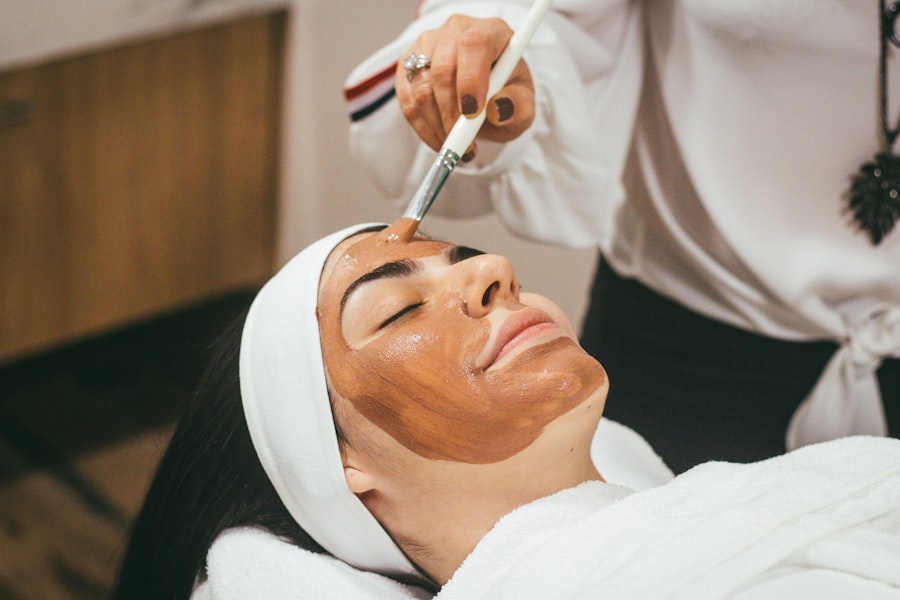 Live
Live
BIDUA Beauty Care
Shared expertise in food-grade and skin-safe formulation chemistry.
biduabeauty.com Live
Live
BIDUA Hosting
Backend for connected-device features — session tracking, cartridge inventory, venue dashboard.
biduahosting.com
Questions partners and investors actually ask.
Is this an e-cigarette?
No. It contains no tobacco and no nicotine. It vaporises food-grade flavour compounds, similar in chemistry to a culinary smoke gun or a humidifier.
Is it legal in India?
The category sits outside the 2019 PECA Act, which targets nicotine e-cigarettes. We are pursuing a clean legal opinion before launch and will only proceed if the non-tobacco classification holds.
What flavours are available?
Initial launch targets 25 flavours across fruit, dessert, mint and classic shisha-style profiles. Limited-edition seasonal drops every quarter.
How does the device compare to coal hookah?
Vapour, not smoke. No carbon monoxide, no ash, no smell. Many users describe it as smoother and more flavour-forward — coal masks subtle notes.
What does a venue pay?
Pilot venues get the device at cost and commit to a minimum cartridge volume. Mature pricing targets ₹3,500–6,000 per device with cartridges sold separately.
What is the cartridge economics for a venue?
Average session consumes 1–2 cartridges. Venues typically markup 2.5–3× over wholesale, similar to mocktail margins.
How long does a battery last?
Target spec is 6 hours of continuous use per charge — enough for a full evening service. Hot-swappable battery option for high-volume venues.
Is this product available now?
No. This is an idea-stage concept inside BIDUA's incubation pipeline. Target first device prototype in Q1 2027 contingent on regulatory clarity.
Pilot a tobacco-free hookah in your venue.
BIDUA is inviting 25 hospitality partners — hotels, lounges, rooftops — to co-pilot the first device run in Q3 2027. Zero hardware risk for venues in the pilot cohort.