Kantola, Kalimirch & Lauki Farming
Three vegetables most Indians have never grown well — and one international buyer per kilogram waiting.
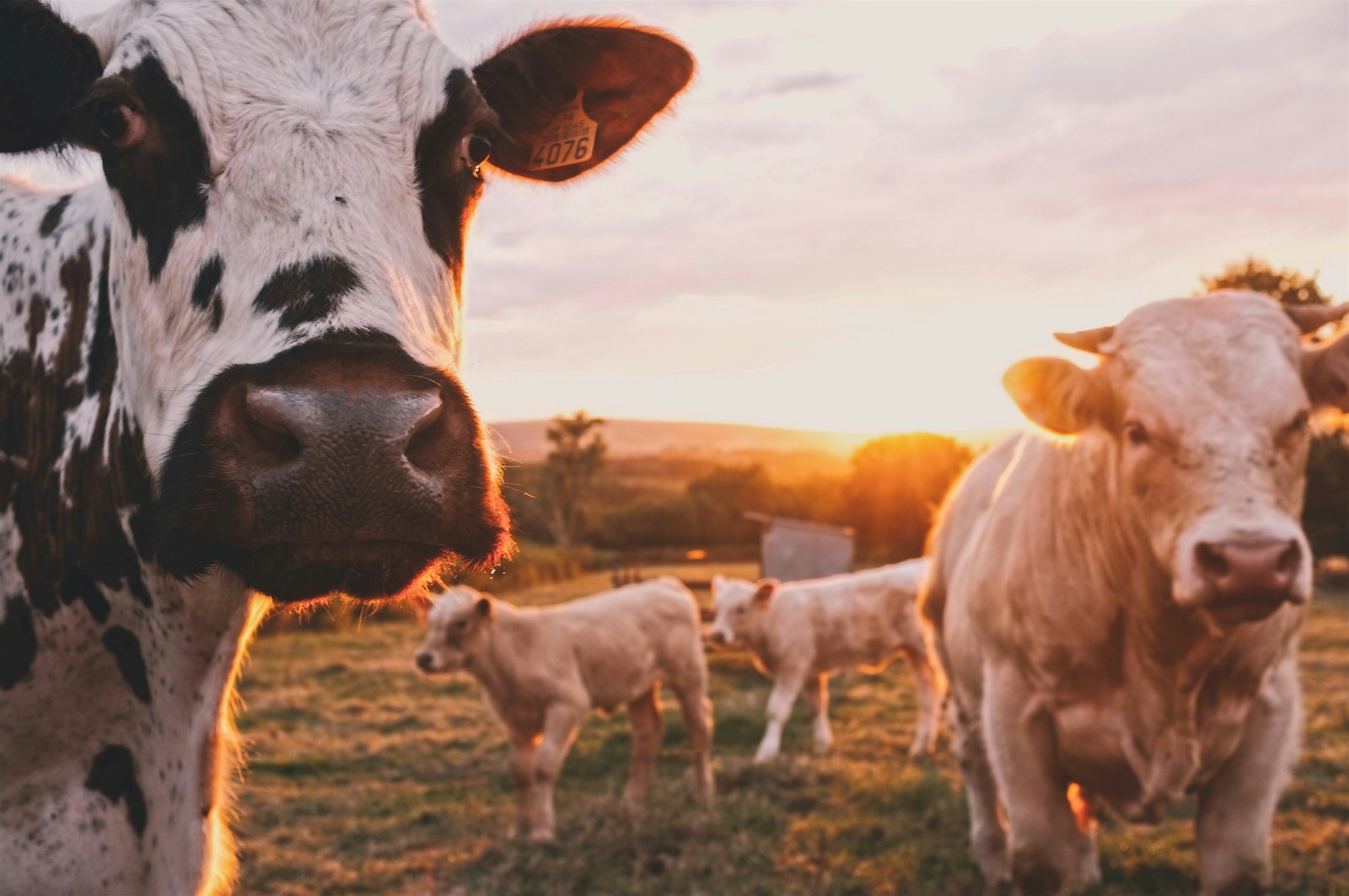
Kantola (spine gourd), kalimirch (black pepper) and lauki (bottle gourd) are three crops that sit at very different points on the agricultural value curve — but each is meaningfully under-cultivated relative to its demand. Kantola fetches premium prices in North Indian and diaspora markets but is grown by very few organised farms. Black pepper is India's most valuable spice on a per-kg basis. Lauki is a high-volume, high-turn vegetable that, properly farmed, gives 3 harvest cycles a year.
Indian farms still concentrate on cereals, sugarcane and the same five vegetables. The result is glut, distress sale and rural debt. BIDUA's thesis is that a tightly-curated portfolio of high-value, low-competition crops — when paired with agronomy support, cold storage and direct sale into urban demand — flips a typical 1-acre P&L from ₹40,000 to ₹3–4 lakh net annual income.
If validated, BIDUA plans to set up demonstration farms in UP/Uttarakhand (kantola, lauki) and Karnataka/Kerala (black pepper), then expand via contract farming with local cultivators under BIDUA agronomy and offtake guarantee.
There is more money in three obscure vegetables than in a thousand acres of wheat — provided you have the patience to teach a farmer something his grandfather never grew.
The opportunity, on its own terms.
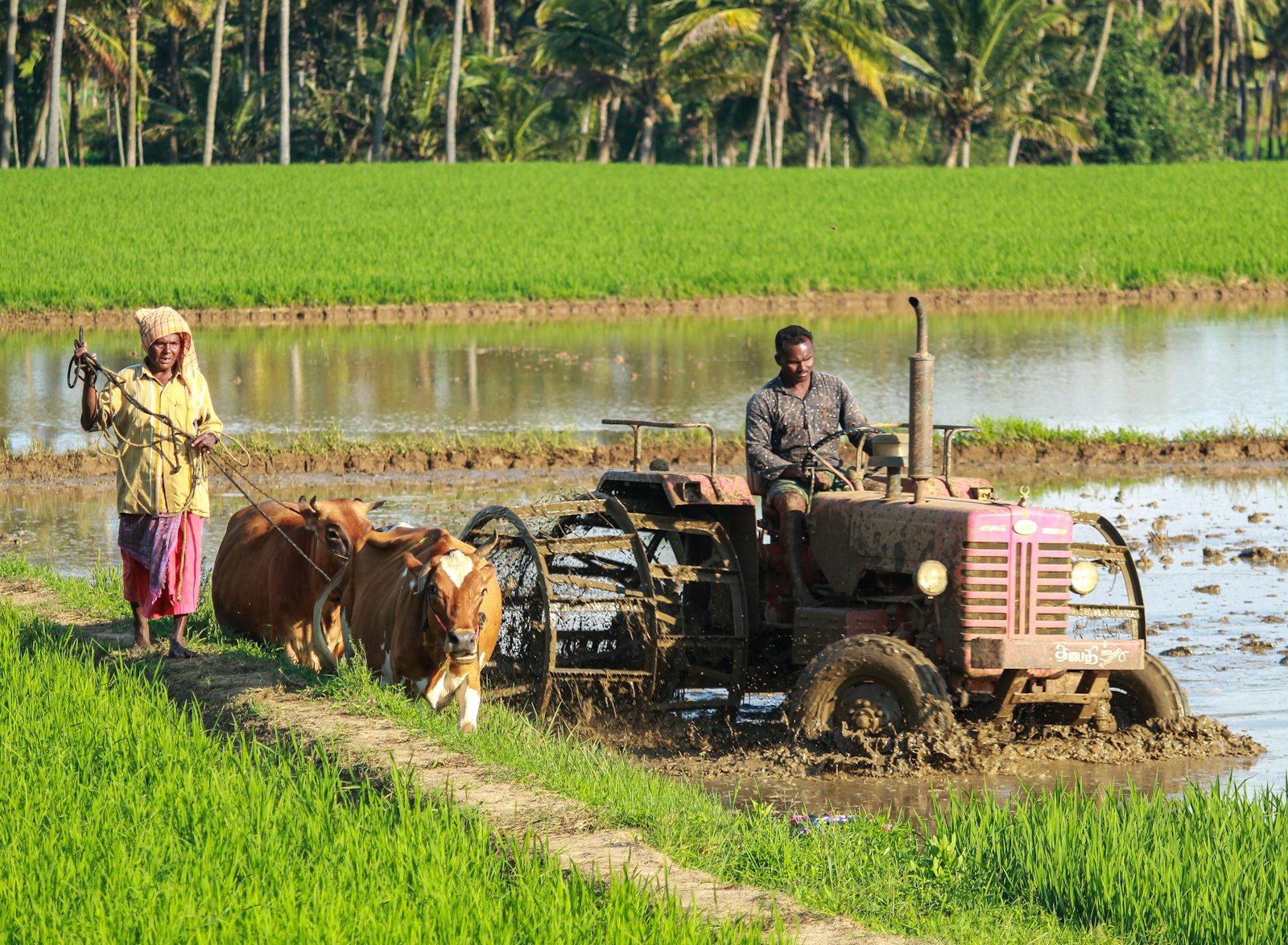
Kantola demand outpaces supply.
Spine gourd is a regional delicacy with strong NRI / Gulf demand. Organised production is almost non-existent, leaving a clear pricing window.
Black pepper prices have re-rated.
Indian black pepper auction prices have firmed up sharply post-2023 on the back of Vietnam supply pressure and global demand recovery.
HoReCa wants traceable produce.
Hotels, cloud kitchens and Naploo properties pay 30–50% premiums for residue-free, traceable, regionally-specific vegetables.
Export window for niche Indian vegetables.
Gulf, UK and SE Asia markets pay 4–6x domestic prices for fresh kantola, parwal, tinda — but supply chain organisation is the missing piece.
Sized in three rings.
- Kantola fetches ₹120–250/kg wholesale in Lucknow, Delhi and Mumbai mandis.
- Black pepper at Kochi auctions averaged ₹650–800/kg through 2024–25.
- Lauki delivers ₹15–25/kg wholesale but 3 cycles a year and yields of 25–35 t/acre.
- Indian fresh vegetable exports to GCC crossed USD 600M in FY24.
How it works, end to end.
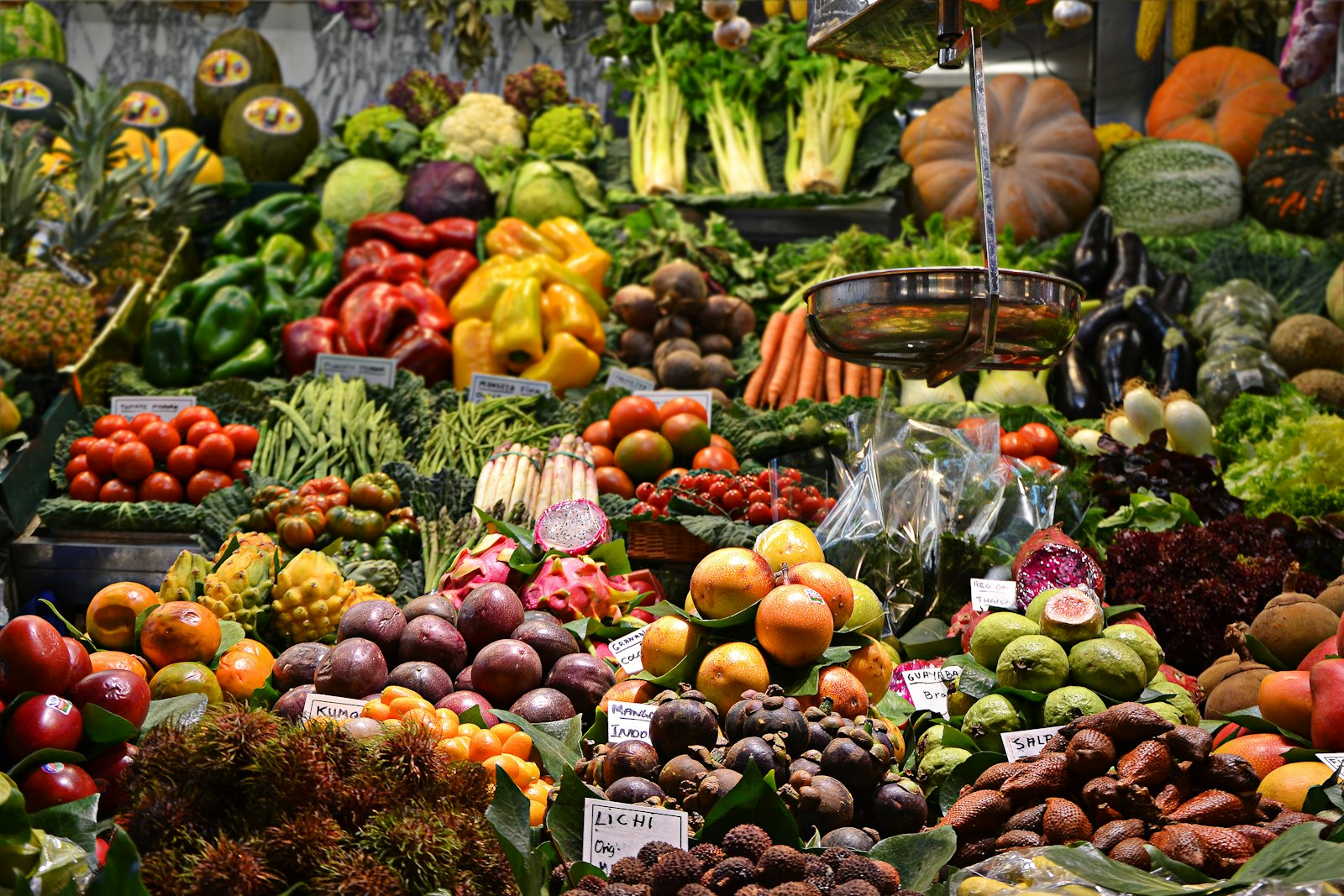
Demonstration farms
BIDUA establishes 25–50 acre demonstration farms in Uttarakhand foothills (kantola, lauki) and Wayanad / Coorg (black pepper). These prove the agronomy and become showcase plots for contract farmers.
Contract farming network
Smallholders sign multi-year agreements: BIDUA supplies seed/sapling, agronomy and offtake at a floor price; the farmer supplies land, labour and care. Income flips from ₹40k to ₹3–4 L per acre.
Aggregation + cold chain
Hub-and-spoke cold storage at the cluster level. Pre-cooling, sorting, grading and packing happen within 6 hours of harvest. Cold-chain dispatch to mandi, HoReCa and export.
Multi-channel sales
Mandi sales for surplus, HoReCa contracts (including Naploo), Q-commerce private label for lauki, and direct exporter tie-ups for kantola and black pepper.
Spice processing wing
Black pepper is dried, graded, optionally steam-sterilised and either sold under a BIDUA spice brand or supplied to exporters under contract.
Three compounding phases.
Demonstration
- Direct-farm vegetable sales (mandi + HoReCa)
- Black pepper trial harvest
- Naploo property kitchen supply
- Government horticulture subsidies
Contract farming
- Aggregated supply from 100+ farmers
- Q-commerce lauki SKUs
- Branded BIDUA spice (black pepper)
- Export contracts (GCC, UK)
Brand + integration
- Branded vegetable retail in Tier-1 cities
- Value-added spice SKUs (oil, oleoresin)
- Seed multiplication revenue
- Agri-input distribution
Patient cadence, deliberate steps.
-
Q2 2027Land identification in Uttarakhand (kantola/lauki) and Wayanad (pepper). Soil testing.
-
Q4 2027First demonstration plots — 25 acres in UK + 10 acres pepper interplant.
-
2028First commercial kantola and lauki harvests. HoReCa and Naploo supply begins.
-
2029Contract farming launched. 100+ farmers onboarded. Cold storage hub commissioned.
-
2030300 acres under BIDUA agronomy. Black pepper first major commercial yield.
-
2031Branded spice line goes retail; first dedicated GCC and UK export contracts.
Who else is here — and why we're different.
- Crop-specific agronomy expertise — not a generic FPO.
- Vertical integration into spice processing for black pepper.
- Direct HoReCa and Naploo offtake bypasses 2–3 layers of middlemen.
- Contract farming with floor price flips farmer economics — strong adoption.
What can go wrong — and how we plan for it.
Crop failure (pest, disease, monsoon)
Mitigation: Geographic and crop diversification, integrated pest management, crop insurance (PMFBY), staggered sowing.
Black pepper price cyclicality
Mitigation: Long productive life of vines (10+ years), value-added oil/oleoresin extraction, multi-year offtake contracts.
Farmer adoption / trust
Mitigation: Demonstration farms first, multi-year floor-price contracts, on-ground agronomist support, transparent payments.
Cold-chain failure
Mitigation: Hub-and-spoke cold storage, dual-power backup, multi-vendor logistics, in-day dispatch SOPs.
Connected BIDUA divisions.
Every BIDUA bet feeds something else in the group. This one connects to:
 Live
Live
Naploo™ Smart Pod Hotels
Direct supply of fresh, regional, traceable vegetables and spices to Naploo property kitchens.
naploo.com Live
Live
BIDUA Beauty Care
Black pepper oleoresin and essential oils have direct application in skincare and wellness formulations.
biduabeauty.com
Questions partners and investors actually ask.
Why these three crops together?
They balance the portfolio — kantola is high-value low-volume, lauki is low-value high-volume and fast cycle, black pepper is patient capital. Together they smooth revenue across seasons.
How long until black pepper yields meaningfully?
First commercial yield at year 3–4. Full productive yield by year 6–7. Vines remain productive for 10–15 years.
What does a contract farmer actually earn?
Modelled net income of ₹2.5–4 L per acre per year on kantola and lauki cycles, versus ₹30–60k typical for cereals. Numbers to be validated in the demonstration phase.
Is kantola really that valuable?
Yes — wholesale rates of ₹120–250/kg are sustained because organised production is minimal. The catch is that agronomy is finicky and yields drop without expertise.
What about pesticide residue?
All BIDUA-aggregated produce is residue-tested. Integrated Pest Management protocols are mandatory for contract farmers; non-compliance breaks the contract.
Where will the demonstration farms be?
Uttarakhand foothills and Western UP for kantola and lauki; Wayanad / Coorg / Sirsi belt for black pepper. Final sites will be announced after due diligence.
Is this exportable?
Kantola has strong NRI/Gulf demand. Black pepper is one of India's largest spice exports. Lauki is primarily a domestic crop with some processed-product export potential.
Three crops, one supply chain, real farmer incomes.
We are pre-qualifying contract farmers, HoReCa buyers and export partners for the 2028 commercial season.