Lehenga Folder Automatic
Sixty-second folds for ₹40,000 lehengas. Bridal retail's most painful 15-minute job, automated.
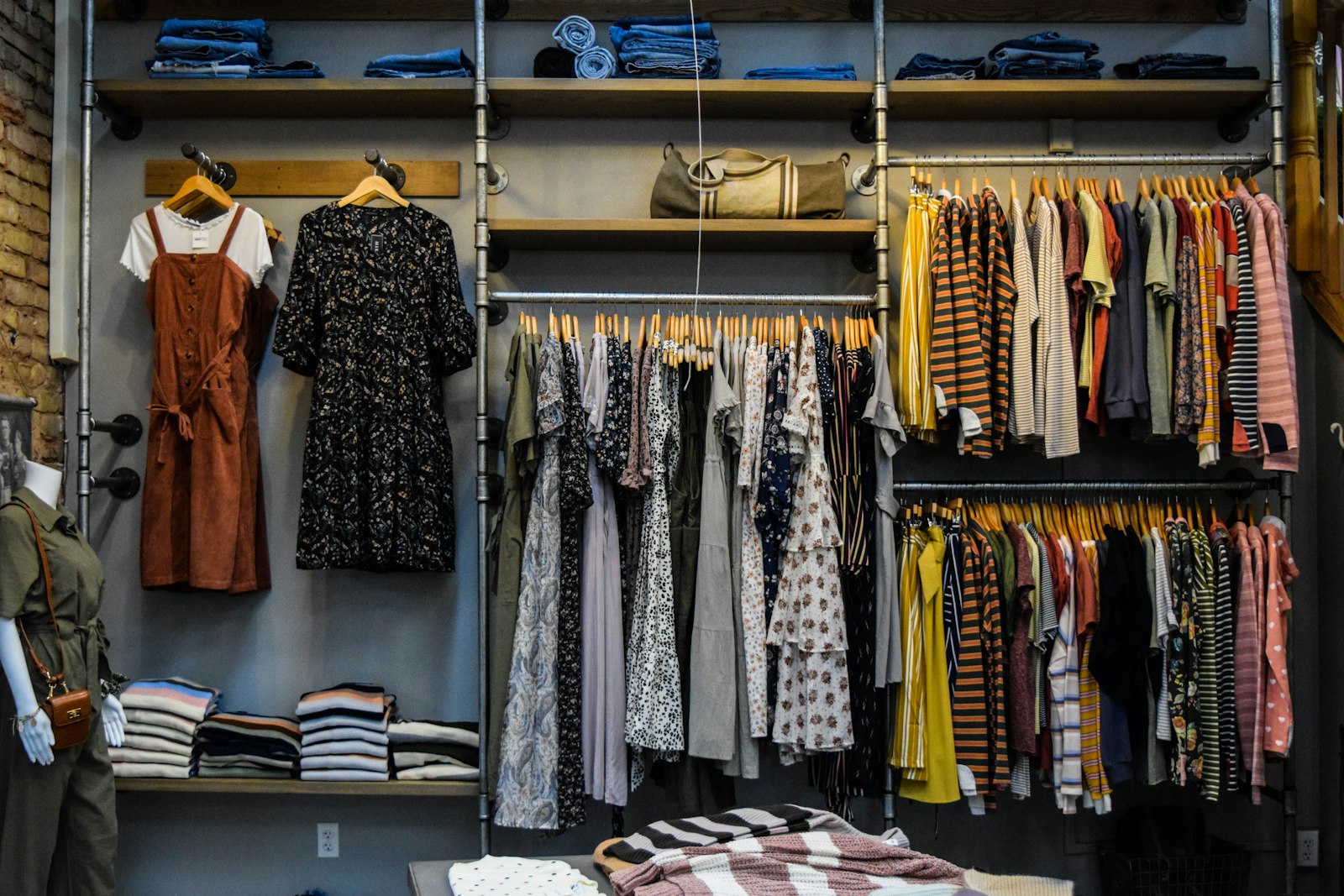
A bridal lehenga is a 6–9 kilogram garment with heavy zardozi, sequins and beadwork that cannot be folded carelessly. At every bridal wear store, after every trial and every sale, two to four people spend 12–18 minutes per garment carefully folding, padding with tissue and re-shelving. Multiply by 30 trials per day across a chain of 20 stores and you have a 200-person-hour-a-day labour problem.
BIDUA's Automatic Lehenga Folder is a tabletop or floor-standing electromechanical folding machine purpose-built for heavy bridal wear. The user lays the garment on a guided cushioned surface, taps a touchscreen for the garment profile (lehenga / sharara / heavy saree / sherwani), and the machine performs a sequence of cushioned folds with tissue interleaving. Output is a uniformly folded, retail-ready garment in under 60 seconds.
This is a small but lucrative niche product. India has more than 75,000 bridal-wear retailers and a fast-growing rental-bridal-wear segment. Industrial laundries serving the wedding industry are an adjacent market. The BIDUA edge is the manufacturing capability — our BIDUA Pods plant is already equipped to fabricate the precision frames, cushioned actuators and electromechanical assemblies this machine needs.
Bridal retail has automated billing, automated trial rooms, even automated lighting. The one thing it has not automated is the only job that still needs four people and fifteen minutes — folding the lehenga. That is the gap.
The opportunity, on its own terms.
Bridal wear retail is consolidating.
Manyavar-Mohey, Tasva, Sabyasachi diffusion lines, Kalki Fashion and Aza Fashions are scaling multi-store formats nationally. Multi-store chains feel labour costs more sharply than single-store legacy retailers — and respond to automation faster.
Rental bridal wear is exploding.
Flyrobe, Stage3 and a wave of D2C rental players turn a single lehenga over 8–20 times. Every turn requires re-folding, re-packing and quality inspection. The labour math collapses without automation.
Skilled retail staff is increasingly expensive.
Bridal-wear store staff are paid premium retail wages. Replacing 90 minutes of their day with a machine pays back the capex in under 18 months for a mid-volume store.
Wedding industry is back at full force.
Indian wedding spend has crossed ₹10 lakh crore annually. Bridal-wear retailers are deploying capex aggressively — automation budgets are open in a way they have not been for years.
Sized in three rings.
- A mid-volume bridal store handles 25–40 trials/day — at 15 minutes/fold, that is 7–10 hours of staff time daily.
- Rental bridal-wear operators (Flyrobe, Stage3) re-fold every garment 8–20 times per year — capex payback under 9 months.
- Industrial laundries serving wedding planners and banquet halls are an adjacent market with even higher volume.
- AMC + cushioning consumable replacement (₹6,000–₹12,000/yr per machine) is a sticky annuity.
How it works, end to end.
Machine sale
Two SKUs — a compact tabletop unit (₹3.5–4 lakh) for boutique retailers, and a floor-standing high-throughput model (₹5–6 lakh) for chain retailers and industrial laundries. Both ship with a 12-month comprehensive warranty.
Installation and operator training
Half-day on-site installation, garment-profile calibration and operator training included with every machine. Garment profiles are pre-loaded for the 20 most common bridal-wear silhouettes; custom profiles available for ₹15,000 per profile.
Annual maintenance contract
AMC at ₹15,000–₹25,000/year covers preventive maintenance, two service visits, replacement cushioning pads and software updates. AMC attach rate target 70%+ — this is the long-term margin engine.
Consumables
Acid-free tissue refills, cushioning pad replacements (every 18–24 months) and garment-specific support inserts. Recurring revenue per machine roughly ₹8,000–₹15,000/year.
Rental and laundry channel
Direct sales channel to rental operators (Flyrobe, Stage3) and industrial laundries serving wedding venues. These customers buy in 5+ unit blocks and become reference accounts.
Three compounding phases.
Pilot + product validation
- 20–40 machines into NCR + Mumbai
- Manyavar-Mohey, Kalki, Aza pilot deployments
- Operator training revenue
- Consumable kits
Chain rollouts
- Multi-unit chain orders
- Rental operator bulk deals
- AMC annuity stabilises
- First international export inquiries
Adjacent garments + export
- Saree-specific SKU
- Sherwani / achkan SKU
- Industrial laundry deployments
- Export to Gulf wedding-wear retail
Patient cadence, deliberate steps.
-
Q3 2027Working prototype assembled at BIDUA Pods plant. Pilot with 2 bridal-wear stores in NCR.
-
Q1 2028Iterated v2 design with improved cushioning. First commercial sale to a chain retailer.
-
Q3 2028Floor-standing high-throughput model launched. First rental-operator bulk order.
-
2029Expand to Mumbai, Surat, Hyderabad, Bengaluru. 200 machines deployed cumulatively.
-
2030Saree-specific SKU launches. Industrial laundry channel matures.
-
2031Export pilots to Gulf bridal-wear retailers. 1,200 machines cumulative target.
Who else is here — and why we're different.
- Purpose-built for 6–9 kg embellished garments, not consumer clothing.
- Cushioned actuators that protect zardozi, sequins and beadwork from compression damage.
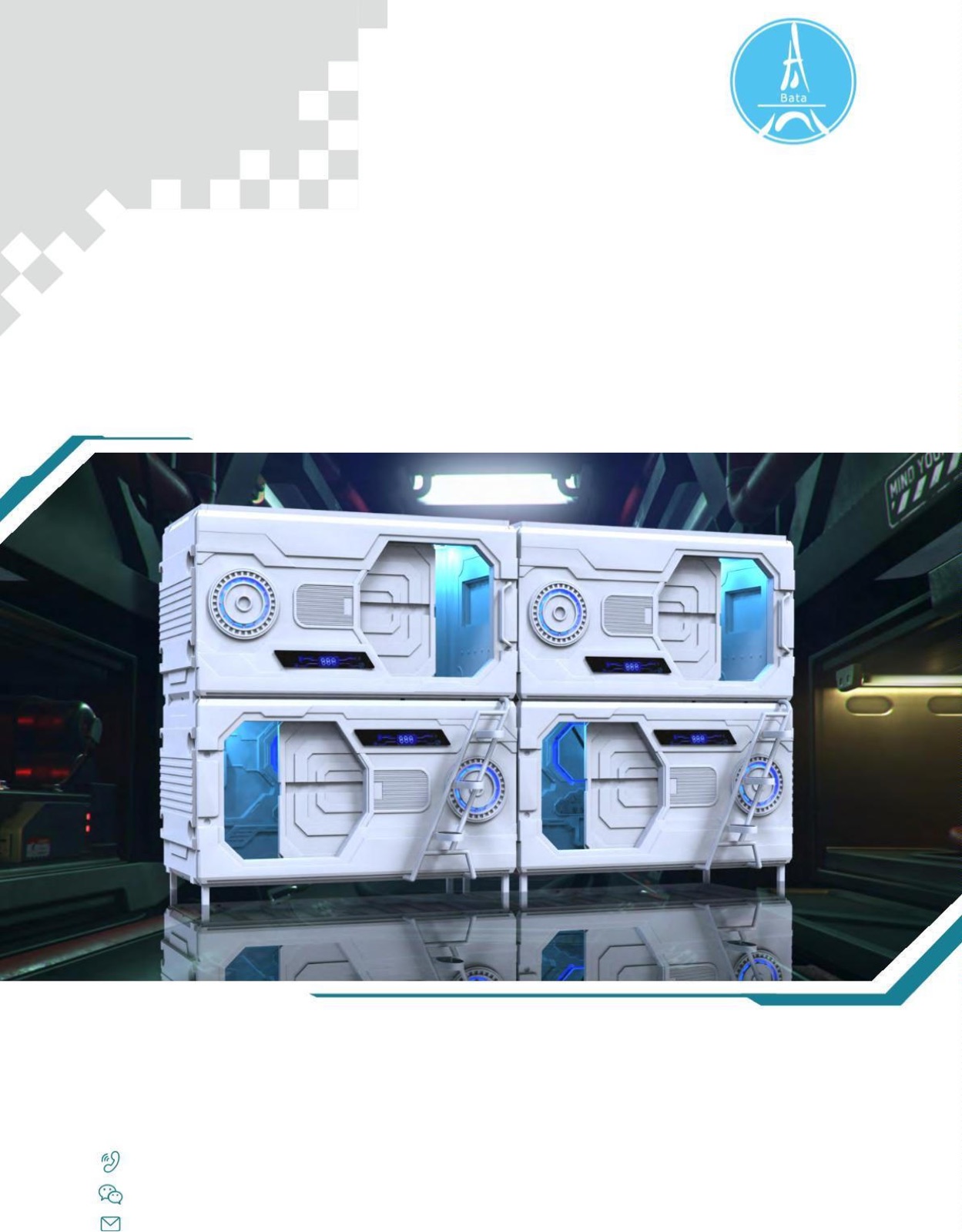
- Manufactured at the BIDUA Pods plant — full control over precision frame and electromechanical assembly.
- Garment-profile library specifically for Indian bridal silhouettes — no global competitor has this domain expertise.
What can go wrong — and how we plan for it.
Garment damage during folding
Mitigation: Cushioned actuators with pressure sensors. Conservative force limits. Optional 'high embellishment' mode with longer cycle time and lower force. Insurance partner for damage indemnification.
Slow adoption — retailers happy with manual labour
Mitigation: Lease-to-own pricing. Pilot deployments at flagship stores of chain retailers as reference cases. Quantified labour-savings calculator in every sales pitch.
Garment profile variance — every designer cuts differently
Mitigation: Modular garment-profile library. Custom-profile programming service. AI vision module on the high-end SKU adapts to in-feed garment shape automatically.
Capex barrier for single-store retailers
Mitigation: Lease-to-own structures. Refurbished-machine market once the install base matures. Subscription-based 'folding as a service' for clusters of nearby boutiques.
Service network thin in Tier-2 cities
Mitigation: Modular sub-assemblies that can be field-swapped by trained technicians. Regional service partners in 8 cities by Year 3.
Connected BIDUA divisions.
Every BIDUA bet feeds something else in the group. This one connects to:
Questions partners and investors actually ask.
Will the machine damage the embellishments on a heavy lehenga?
No — cushioned actuators and pressure sensors limit force on embellished sections. A 'high embellishment' mode is available for heavily-zardozi pieces, which uses lower force and longer cycle time.
How long does one fold take?
Target 60 seconds per garment for a standard bridal lehenga. Saree mode and lightweight garment modes run faster.
Can the machine fold sarees and sherwanis too?
Yes — saree mode is built into the v1 firmware. Sherwani / achkan support is on the v2 roadmap for 2030.
What is the machine size and power requirement?
Tabletop SKU: 1.2m × 0.8m × 0.6m, runs on a standard 5A retail outlet. Floor-standing SKU: 2.1m × 1.4m × 1.3m, requires a 15A outlet. Both are conventionally pluggable, no special wiring.
How does it know which garment is being folded?
The operator selects the garment profile on the touchscreen. The high-end SKU has an optional AI vision module that detects garment shape and selects the profile automatically.
What is the payback period for a retailer?
For a mid-volume bridal store (25+ trials/day), payback is typically 12–18 months on the tabletop SKU. For a rental operator at scale, payback can be under 9 months.
Where will the machines be manufactured?
At BIDUA Pods plant — leveraging the same precision frame fabrication, cushioning assembly and electromechanical capability already in place.
Can I lease instead of buy?
Yes — lease-to-own at ₹14,000–₹22,000/month over 36 months, depending on SKU. Includes AMC.
Stop folding lehengas by hand.
We are scoping the v1 build at BIDUA Pods plant for 2027. Bridal-wear retailers, rental operators and industrial laundries — early-bird pilots welcome.