Maa Annapurna Community Kitchen
A community kitchen at the scale India deserves — Maa Annapurna, tech-enabled, volunteer-led, food where it is needed.

Maa Annapurna Community Kitchen is BIDUA's long-term social initiative — a non-profit community kitchen network designed to serve hot, nutritionally balanced meals to underprivileged communities across India. Inspired by langar traditions, Akshaya Patra and the ISKCON Food Relief Foundation, but built with modern logistics, donor transparency and volunteer-management technology.
The model is straightforward: large central kitchens cook in batches of 20,000–50,000 meals, distribution vehicles take hot food to predetermined points — slum clusters, hospital footpaths, schools, construction sites, old-age homes — and a network of volunteers handles the last touch. Every meal is logged. Every rupee is accountable.
This is an idea-stage initiative. Numbers below describe the target operating model, not realised results. The intention is to fund the programme through corporate CSR, BIDUA group contribution, individual donations and government meal scheme partnerships — not from commercial revenue.
Hunger in India isn't a supply problem. It is a logistics, dignity and operating-system problem. Maa Annapurna is the operating system — paid for by CSR, run by volunteers, and built on the same software that runs the rest of BIDUA.
The opportunity, on its own terms.

CSR funding is significant and underused.
Indian corporates spend roughly ₹30,000 cr annually on CSR but channelisation into food security is fragmented; a well-governed kitchen network is a natural beneficiary.
Akshaya Patra proved the model.
The mid-day meal scheme has shown that centralised kitchens can serve millions of meals daily at low cost with high consistency.
Tech makes accountability easy.
QR-coded meal logs, GPS-tracked distribution vans, donor dashboards and volunteer apps make a charitable kitchen as auditable as any business operation.
The need has only grown.
Post-pandemic urban poverty, migrant labour density and rising food prices mean the gap between need and supply is wider, not narrower.
Sized in three rings.
- Akshaya Patra serves ~20 lakh meals per day across multiple states — proof at scale.
- Average cost per meal at scale: ₹12–18 including raw material, fuel and distribution.
- BIDUA group's own annual CSR contribution can seed the first 1–2 kitchens directly.
- Hospital, school and construction-site demand alone in any tier-1 city exceeds 50,000 meals per day.
How it works, end to end.
Central community kitchens
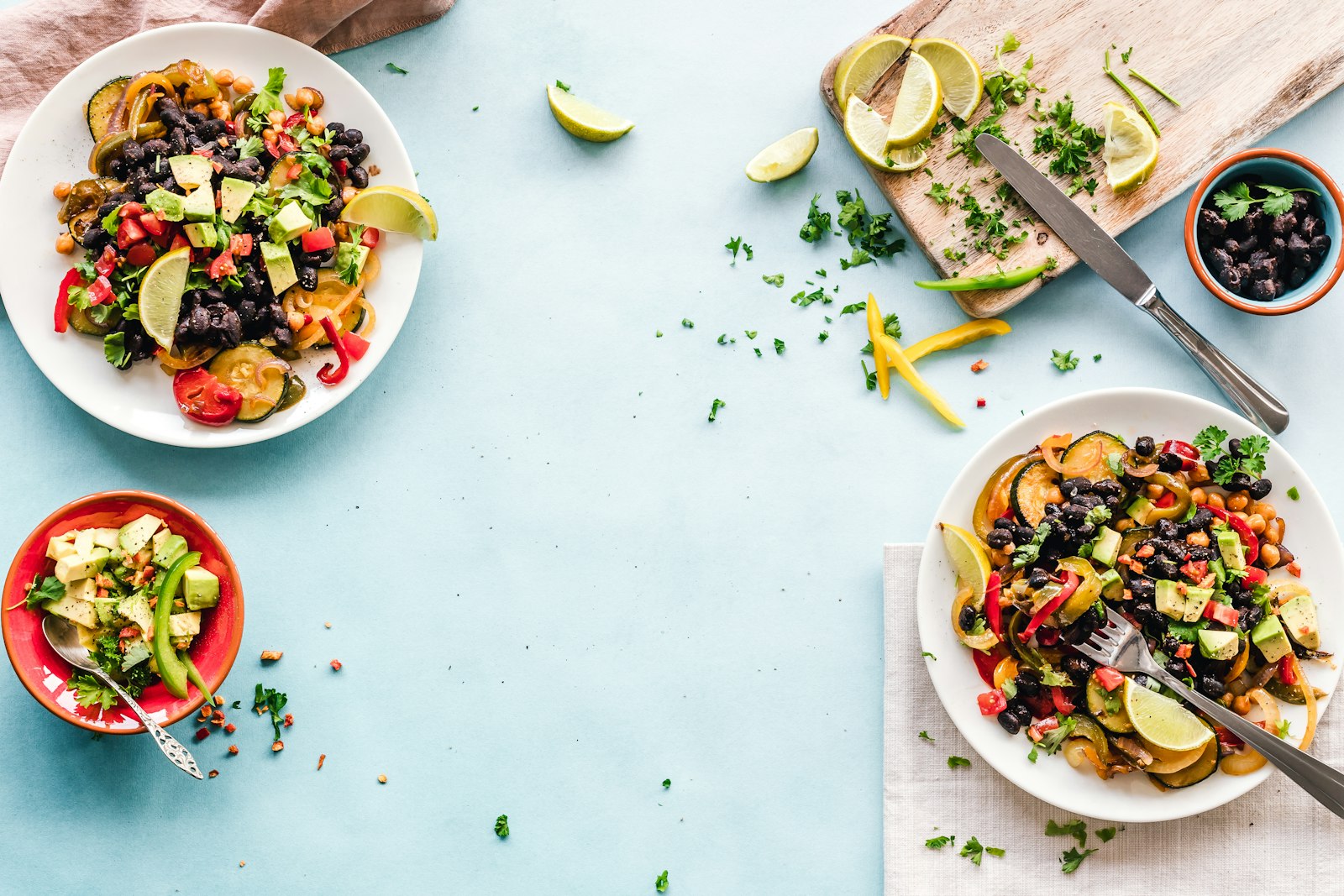
Each kitchen is sized for 20,000–50,000 meals per day. Modern cooking equipment, FSSAI compliance, gas + steam cooking, in-house dietitian for menu rotation balancing dal, rice or roti, vegetable and a daily protein where possible.
Sourcing & food security
Sourced through BIDUA's Khada Anaj and B2B Grocery platforms at cost. Daily fresh vegetables from FPO partners. Government-allocated grain where available under food security schemes.
Distribution network
Insulated container trucks deliver to fixed daily points — schools, hospitals, slum clusters, construction sites, anganwadis, old-age homes. Each point has a verified local coordinator.
Volunteer management
A dedicated volunteer app allows individuals to sign up for kitchen shifts, distribution drives or fundraising. Skill-based matching, gamified leaderboards and verifiable hours for CV / college credits.
Donor transparency
Each donor — corporate or individual — gets a live dashboard showing meals served, locations covered, photos and audited financials. Donor-tagged meals can be linked to specific schools or community points.
Three compounding phases.
Seed
- BIDUA group CSR allocation
- Founding corporate sponsors
- Individual donor onboarding
- Government meal scheme partnerships
Recurring funding
- Monthly corporate CSR contracts
- Sponsor-a-school / sponsor-a-day programmes
- Diaspora and NRI giving
- Foundation grants
Scale & policy
- State government mid-day meal partnerships
- Disaster response and emergency feeding contracts
- Endowment-style donor commitments
- International CSR partnerships
Patient cadence, deliberate steps.
-
Q1 2027Maa Annapurna Trust formally established with independent governance and audited accounts.
-
Q3 2027First central kitchen commissioned in Delhi NCR — capacity 20,000 meals per day.
-
Q1 2028Distribution operational across 50 fixed daily points. Volunteer app v1 launched.
-
2028Second kitchen in Bengaluru. Corporate CSR partners cross 25 active commitments.
-
2029Donor dashboard and audit framework benchmarked publicly. State government partnerships explored.
-
2030Long-term ambition: 1 lakh meals per day across 8 cities; 30+ city expansion targeted thereafter.
Who else is here — and why we're different.
- Tech-native — donor dashboards, volunteer app, GPS-tracked distribution from day one.
- Integrated supply chain through BIDUA Khada Anaj and B2B Grocery at cost.
- Secular and apolitical positioning — open to every faith, every caste, every language.
- Audited financials published quarterly — a higher transparency standard than the sector average.
What can go wrong — and how we plan for it.
Funding volatility
Mitigation: Diversified donor base — BIDUA seed funding, corporate CSR pool of 25+ partners, individual giving, foundation grants. No single donor above 15% of annual budget.
Food safety incident at scale
Mitigation: FSSAI compliance, kitchen-level HACCP protocols, daily sample testing, batch-tagged distribution so a recall can be executed within 4 hours.
Mission drift / governance failure
Mitigation: Independent trust structure separate from BIDUA Industries, board with external NGO and audit professionals, quarterly published financials.
Distribution-point misuse
Mitigation: Verified local coordinators at every point, photo + GPS confirmation per drop, periodic third-party impact audit.
Volunteer attrition
Mitigation: Volunteer app with shift flexibility, partner with colleges and corporates for structured volunteering credits, recognition programmes.
Connected BIDUA divisions.
Every BIDUA bet feeds something else in the group. This one connects to:
 Live
Live
Naploo™ Smart Pod Hotels
Hospitality kitchens, equipment know-how and surplus food protocols inform Annapurna's operating playbook.
naploo.com Live
Live
FinWault
Donor onboarding, transparent tagged contributions, audited financial dashboards and CSR receipts.
finwault.com Live
Live
BIDUA Hosting
Volunteer app, donor portal, distribution tracking and operational dashboards all run on BIDUA Hosting infrastructure.
biduahosting.com
Questions partners and investors actually ask.
Is this a for-profit business?
No. Maa Annapurna will operate under a registered trust with independent governance. The mission is community feeding, not commercial revenue.
How will the kitchens be funded?
Through a mix of BIDUA group CSR seed funding, corporate CSR partnerships, individual donations, foundation grants and, where possible, government meal scheme contracts.
Where will the food be served?
Schools, hospitals, slum clusters, construction sites, anganwadis, old-age homes and disaster relief points. Distribution is at fixed daily locations with verified local coordinators.
Is the food vegetarian?
Yes — fully vegetarian and where possible Jain-friendly options. The aim is to be acceptable across faiths, regions and dietary cultures.
How will donors know their money is used well?
Live donor dashboards with meal counts, distribution photos, audited quarterly financials and the option to sponsor specific schools or daily routes that you can track.
Can I volunteer?
Yes. Once the volunteer app launches, anyone can sign up for kitchen shifts, distribution drives or fundraising. Structured programmes will be available for colleges and corporates.
Why does BIDUA, a commercial group, run this?
Because the group has the supply chain, technology and operating discipline to make a non-profit kitchen network unusually accountable. The Trust is independent — BIDUA is the catalyst, not the owner.
When does it start?
Trust formation targeted for Q1 2027, first kitchen operational in Q3 2027. This is an idea-stage initiative — public donor onboarding begins after the Trust is registered.
Sponsor a meal. Sponsor a school. Sponsor a city.
Maa Annapurna opens its founding donor and corporate CSR partnerships in 2027. Every rupee tagged, every meal counted, every kitchen audited.