Matrimony App (Shaadi-like)
Shaadi.com taught India to find a spouse online. The next generation wants to actually meet them first.

Indian matrimony is a strange beast — simultaneously the largest emotional and financial decision in most families' lives, and a category where the product UX feels frozen in the early 2000s. Shaadi.com, BharatMatrimony, Jeevansathi and a long tail of community-specific platforms dominate. They generate predictable cashflows but have done almost nothing to reduce the actual friction: lakhs of profiles to wade through, no real verification, awkward family-mediated first conversations, and zero integration with what comes after the match — the wedding itself.
BIDUA's Matrimony app is designed for the next generation of Indians who want serious marriage outcomes without abandoning the family-involvement model entirely. AI matching trained on success patterns rather than just demographic filters, mandatory profile verification, video-first profiles, structured family-handshake flows, and end-to-end wedding planning integration. Think Shaadi reimagined as a product company.
The deeper play is the wedding wallet. The average Indian wedding spends ₹15-25 lakh; matchmaking is just the front of the funnel. By owning the match, BIDUA earns the right to introduce vetted venue, catering, photography, decor and honeymoon partners — anchored by Naploo properties. The matchmaking revenue is the appetiser, the wedding ecosystem is the main course.
Indian marriage is the largest planned-spend event in any family's life. The platforms that decide who you marry have barely changed since dial-up. There is room to rebuild the entire funnel, end to end.
The opportunity, on its own terms.

Marriage age is rising, decisions are more deliberate.
Average marriage age in urban India is now 27-29; couples are choosier and more digitally native. The hand-built matrimony product no longer fits the buyer.
Verification is now expected, not optional.
Aadhaar, DigiLocker and document KYC make verified matrimony profiles technically trivial. Users now insist on it after years of catfishing horror stories.
The family-handshake remains crucial.
Despite cultural change, Indian marriages still involve families. A product that integrates parents and elders gracefully — without taking over — has a unique moat.
Wedding spend is recession-proof.
Even in slow economies, Indian wedding spending stays stable. Owning the match plus the wedding ecosystem makes this resilient to consumer downturns.
Sized in three rings.
- Shaadi.com generates ~₹400 cr revenue from ~8M profiles — proves willingness to pay.
- BharatMatrimony ~₹500 cr; combined Indian online matrimony is ~₹1,500 cr.
- Wedding industry is ~₹3.7 lakh cr annually — match is gateway to a much bigger TAM.
- Naploo properties can serve as wedding venues and honeymoon stays — captive supply.
How it works, end to end.

Tiered membership
Free profile with limited contact access. Paid tiers (₹2,500-₹15,000 for 3-12 months) unlock unlimited communication, advanced filters, verified-only matches, and concierge introductions.
AI matching on outcome data
Models trained on successful match patterns, not just demographic filters. Compatibility scoring on values, lifestyle, communication style, family expectations. Quality > quantity matches.
Verified profiles by default
Aadhaar-linked identity verification, education and employment certificate checks, optional income verification. Verified-only filter is the most desired feature on every Indian matrimony platform.
Family-handshake mode
Structured family-introduction flows once both sides agree to take the conversation forward. Parents are looped in only when invited — preserving the user's primary control.
Wedding ecosystem upsell
Once a match leads to engagement, the platform introduces vetted partners for venue (anchored by Naploo), catering, photography, decor, and honeymoon. Commissions and bundled packages drive the second revenue line.
Three compounding phases.
Build trust
- Premium membership subscriptions (₹2,500-₹15,000)
- Verified badge and document checks
- Concierge matchmaking for premium tier
- Astro-compatibility add-ons
Engagement & weddings
- Wedding planner referral commissions
- Naploo wedding-venue exclusive packages
- Pre-wedding photography and decor partnerships
- Honeymoon stay packages (Naploo + curated partners)
Lifecycle
- Home setup and furnishing partnerships (BIDUA Pods, others)
- Couples' insurance, joint accounts (FinWault)
- Anniversary travel and gifting subscriptions
- Cross-sell to dating app for elder children or pre-marriage
Patient cadence, deliberate steps.
-
Q3 2027Closed beta with verified profiles in NCR, Mumbai, Bengaluru, Chennai.
-
Q1 2028Public launch — Hindi, English, Tamil, Telugu, Bengali interfaces.
-
Q4 20281M profiles milestone; AI matching v2.0 with outcome-based training.
-
2029Wedding ecosystem live — Naploo venue partnerships, photography, decor.
-
20303M profile target; ₹250 cr revenue run rate including ecosystem.
-
20315M profiles, 200k paid couples, ₹400 cr wedding-ecosystem GMV target.
Who else is here — and why we're different.
- Mandatory verification — verified-only matchmaking pool from day one.
- Outcome-trained AI matching, not just demographic filtering.
- End-to-end wedding ecosystem anchored by Naploo and BIDUA Pods.
- Family-handshake mode that respects both user agency and family involvement.
What can go wrong — and how we plan for it.
Slow user acquisition in entrenched category
Mitigation: Focus on a high-trust niche (verified-only, premium tier) initially. Use referral economics and word-of-mouth from success stories.
Fraud and matrimonial scams
Mitigation: Layered verification, fraud-pattern AI, mandatory reporting to cyber-crime cells, and a refund policy if a user is matched to a fraudulent profile.
Cultural and caste-specific sensitivities
Mitigation: Inclusive default with optional community filters. Strong moderation against discriminatory language. Allow without enforcing.
Wedding ecosystem partner quality
Mitigation: Vetted partner panel only, NPS-linked partner ranking, full refund safety net for booked services that fail to deliver.
Privacy concerns around profile data
Mitigation: DPDP-compliant by design, granular consent for parents/relatives, data deletion on request, and end-to-end encryption of private chats.
Connected BIDUA divisions.
Every BIDUA bet feeds something else in the group. This one connects to:
 Live
Live
Naploo™ Smart Pod Hotels
Naploo properties as wedding venues, honeymoon stays and pre-wedding shoot locations — anchor ecosystem partner.
naploo.com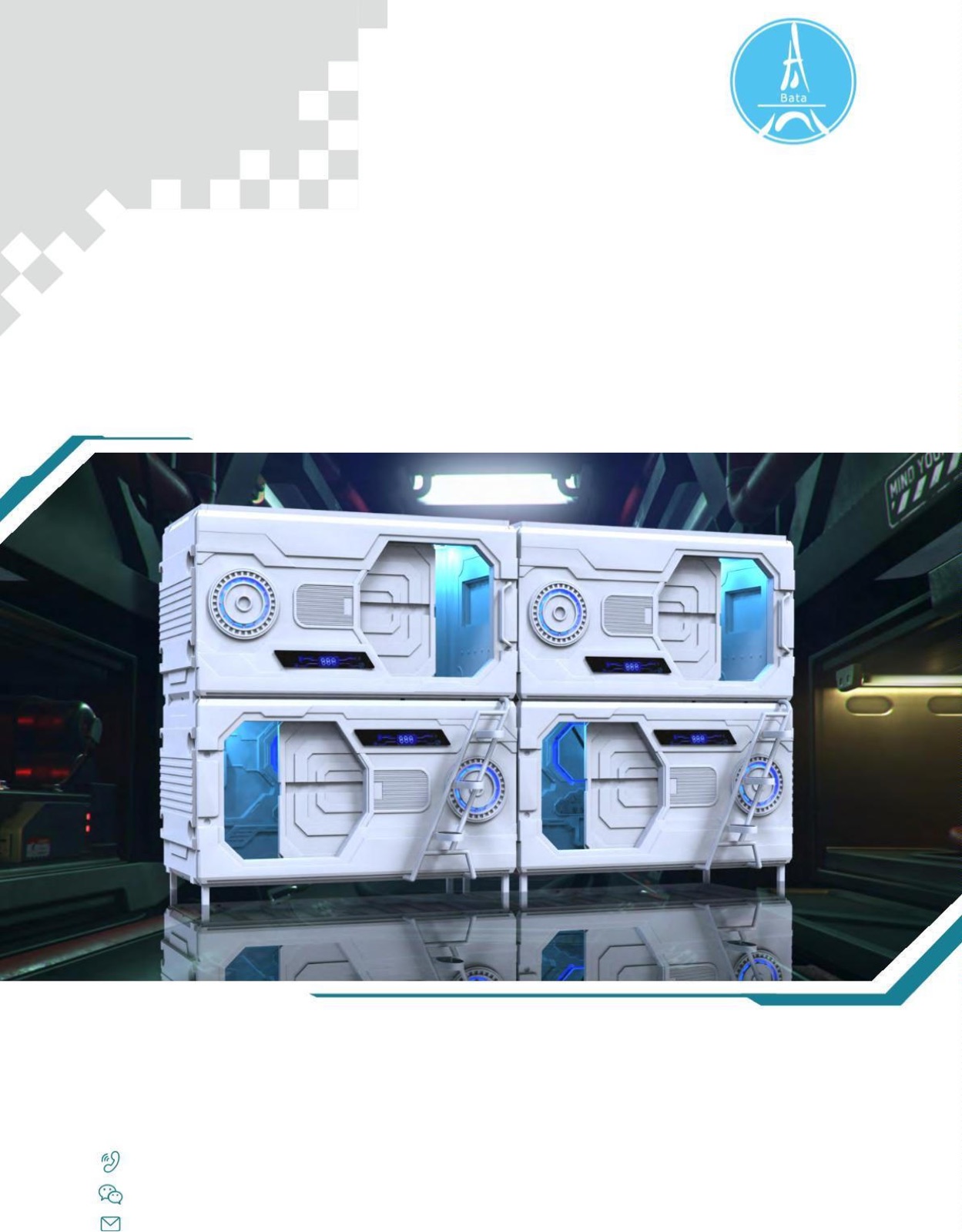 Live
Live
BIDUA Pods
Furniture and modular interiors for newlywed home setup — natural lifecycle upsell.
biduapods.com Live
Live
FinWault
Couples' joint accounts, wedding financing, and gift-registry payments built on FinWault.
finwault.com
Questions partners and investors actually ask.
How is this different from Shaadi.com?
Verified-by-default profiles, modern AI matching trained on success outcomes, video-first profiles, and a full wedding ecosystem beyond matchmaking. The product is built like a 2027 consumer app, not a 2007 directory.
Is verification mandatory?
Profile creation is free without verification, but communication features require basic verification. The premium pool is verified-only. This protects users from fraudulent profiles.
Can my parents use the app on my behalf?
Yes. Family-handshake mode allows parents or relatives a structured, transparent role — but only with the user's explicit consent. The user is always the primary account holder.
Does it support community filters?
Yes — community, religion, language and regional filters are available but optional. We do not enforce or restrict — we let users decide what matters to them.
What does the wedding ecosystem include?
Vetted partners for venues (anchored by Naploo), catering, photography, decor, makeup, music, honeymoon stays, and home setup. Booking via the app earns BIDUA a referral commission and the user a discount.
How is the matching algorithm trained?
On a combination of stated preferences, behavioural signals, communication patterns, and — over time — outcome data from successful matches. It improves with every cohort.
Can divorcees and widows use the platform?
Yes. Inclusive design supports all marital statuses, with sensitivity-aware UX. We do not stigmatise or hide these profiles.
Is my data safe?
DPDP-compliant by design. End-to-end encrypted chats, granular consent for family access, full data deletion on request.
Help us rebuild Indian matrimony.
Founding-cohort users get verified-only access, free premium for 12 months, and curated concierge matchmaking. Pre-register for our 2027 closed beta.