Omega-3 Enriched Eggs
The same egg, re-engineered through the hen — premium nutrition hiding inside a familiar shell.
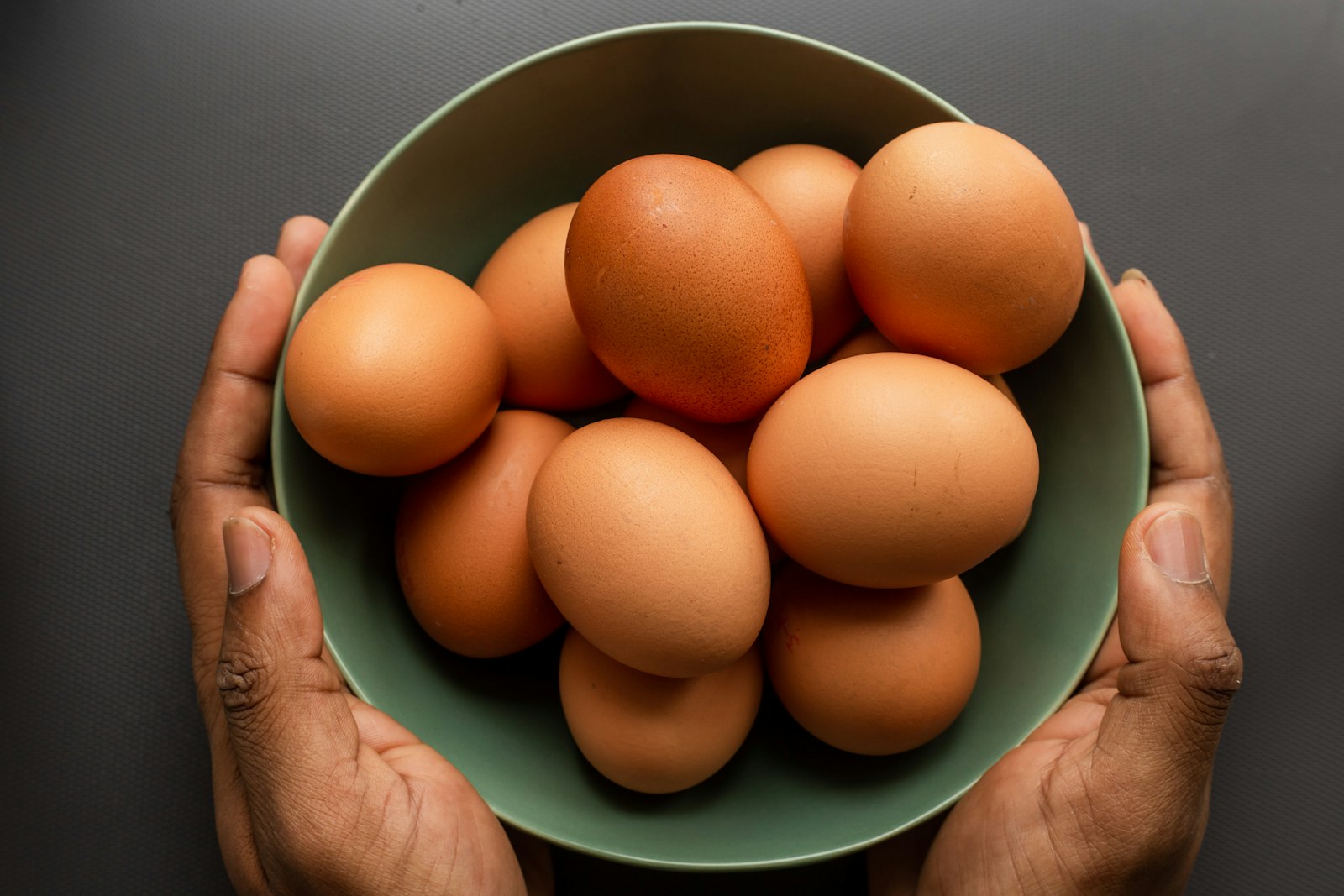
An Omega-3 enriched egg looks identical to any other egg — but the yolk carries 5–8x more long-chain Omega-3 fatty acids (ALA, EPA, DHA) than a conventional one. The trick is the hen's feed: flaxseed, fish oil and algae are blended in carefully, and the bird does the biochemistry that no factory can.
India already eats 130 billion eggs a year — and almost none of them are functional. Meanwhile, Indian consumers spent ₹6,000+ crore on fish oil capsules and omega supplements in 2024, most of which they do not trust or remember to take. The opportunity is to convert a tablet into a breakfast.
BIDUA's planned poultry operation produces enriched eggs through a controlled flaxseed-and-algae feed program, sells through premium grocery, Q-commerce, hospitals and Naploo properties, and brands the eggs as a heart-and-brain food rather than a commodity protein.
The middle class will not pay for a vitamin pill they don't trust, but they will happily pay double for an egg their grandmother also ate. Functional food wins when it hides inside tradition.
The opportunity, on its own terms.
Omega-3 deficiency is mainstream in India.
Population studies show 70%+ of urban Indians under-consume EPA/DHA. Cardiologists, paediatricians and gynaecologists routinely recommend supplementation — but adherence is poor.
Premium egg shelf finally exists.
Eggoz, Happy Hens, Keggs and Henfruit have built a ₹800+ crore branded-egg category in five years. The shelf is now educated; the price ceiling has lifted from ₹6 to ₹15–25 per egg.
Quick-commerce delivers cold-chain at home.
Zepto, Blinkit and Instamart can move a refrigerated dozen in ten minutes. Premium eggs are no longer dependent on a single Big Bazaar visit per week.
Functional food beats supplements.
Tier-1 Indian families increasingly prefer 'food as medicine' framings (A2 ghee, cold-pressed oils, fortified atta). Omega eggs sit perfectly inside this narrative.
Sized in three rings.
- India spends ₹6,000+ cr on omega-3 supplements and fish oil capsules every year.
- Branded eggs (Eggoz, Henfruit, Keggs) have proven willingness to pay ₹120–250 per dozen.
- Hospital and diet-clinic recommendation channels remain underexploited.
- GCC export demand for halal, heat-tolerant, omega-enriched eggs is growing.
How it works, end to end.
Controlled feed formulation
A poultry nutritionist designs a daily feed blend of flaxseed (15–18%), fish oil or algal DHA, vitamin E and standard layer mash. The same blend, the same hen breed (Lohmann/Hyline), the same lighting cycle — every egg is consistent.
Cage-free + controlled housing
10,000–50,000 hen layer barns with cage-free, enriched colony systems. Premium consumers care about welfare — and stress-free hens lay more reliably.
Third-party lab validation
Every batch is independently tested for Omega-3 content (mg/g of yolk), salmonella, antibiotic residue. Test results printed on the carton (QR-scannable) — radical transparency is the brand.
Premium channel sell-through
Sales focused on Q-commerce dark stores, premium grocery (Modern Bazaar, Le Marche, Nature's Basket), hospitals and Naploo property breakfasts. No traditional mandi / kirana exposure.
Doctor-led demand creation
Cardiologists, paediatricians and IVF clinics get sampling packs and explainer literature. The branded egg becomes a 'prescription you can eat'.
Three compounding phases.
Pilot flock
- 10,000-hen barn premium retail sales
- Naploo internal breakfast supply
- Doctor sampling + clinic placements
- Spent-hen sales (commodity floor)
Brand build
- Q-commerce listings (Zepto, Blinkit, Instamart)
- Modern trade SKUs in NCR + Bengaluru
- Hospital tie-ups (cardiac & maternity)
- Liquid egg / egg-white SKUs for HoReCa
Scale + adjacencies
- 50,000-hen multi-site flock
- Vitamin D + B12 enriched egg lines
- GCC export contracts
- Egg-protein ingredient B2B
Patient cadence, deliberate steps.
-
Q2 2027Site selection in Haryana / UP. Nutritionist + breed partner onboarded.
-
Q4 2027First 10,000-hen barn operational. 6-week feed adaptation trial.
-
Q1 2028First commercial premium eggs ship into Q-commerce and Naploo breakfast service.
-
2028–2029Brand launch. Modern trade and hospital partnerships across NCR + Bengaluru.
-
203050,000-hen multi-site flock. Liquid egg SKUs introduced for HoReCa.
-
2031First GCC export contracts; vitamin-fortified extensions go live.
Who else is here — and why we're different.
- Third-party lab certificate on every carton — radical transparency.
- Doctor-led demand engine, not influencer-led.
- Cage-free welfare standard from day one.
- Naploo properties as anchor offtake and brand showcase.
What can go wrong — and how we plan for it.
Avian flu / bird disease outbreak
Mitigation: Bio-security SOPs, all-in/all-out flock management, multi-site geographic spread, insurance, vaccination protocols.
Feed cost volatility (flaxseed, fish oil)
Mitigation: Forward contracts with flaxseed FPOs in Madhya Pradesh, algal-DHA substitution where viable, quarterly price pass-through.
Premium positioning fails to scale
Mitigation: Multi-tier SKUs (single dozen, family pack, gifting pack) and doctor-validated claims to defend the price point.
Regulatory scrutiny on health claims
Mitigation: FSSAI-compliant labelling; claims limited to certified Omega-3 content per serving rather than disease-cure claims.
Commodity-egg price wars
Mitigation: Stay out of mandi distribution. Premium channels only — our floor is set by Eggoz/Keggs, not NECC rates.
Connected BIDUA divisions.
Every BIDUA bet feeds something else in the group. This one connects to:


Questions partners and investors actually ask.
Does the egg taste different?
No. The Omega-3 content is in the yolk lipids; flavour and texture are identical to a premium farm egg. Blind tests confirm parity.
How much Omega-3 does one egg deliver?
Target is 150–200 mg of EPA+DHA per egg, versus 25–40 mg in a typical commodity egg. Two enriched eggs roughly match one fish-oil capsule.
Are the hens cage-free?
Yes — enriched colony housing with perches, nest boxes and dust-bathing areas. Welfare is non-negotiable for the brand.
What is the shelf life?
21 days from lay date under refrigeration. The lay date is QR-coded on every carton.
Will this work for vegetarians?
The feed uses flaxseed and algal DHA where possible. A 'pure vegetarian feed' SKU is on the roadmap, clearly labelled.
How does pricing compare to a regular egg?
Roughly 3–4x a commodity egg, but 30–60% cheaper than a daily fish-oil supplement equivalent — and far easier to adhere to.
Is this FSSAI-approved?
All branded eggs are FSSAI-registered. Nutritional claims follow FSSAI labelling regulations exactly, with third-party lab backing.
Be the doctor, hotel or grocer that introduces this egg first.
We are pre-qualifying clinical, HoReCa and modern-trade partners for the 2028 brand launch.