Oxygen & Industrial Gas
The unglamorous backbone of every hospital, factory and welding shop in India — and a market that quietly compounds at double digits.
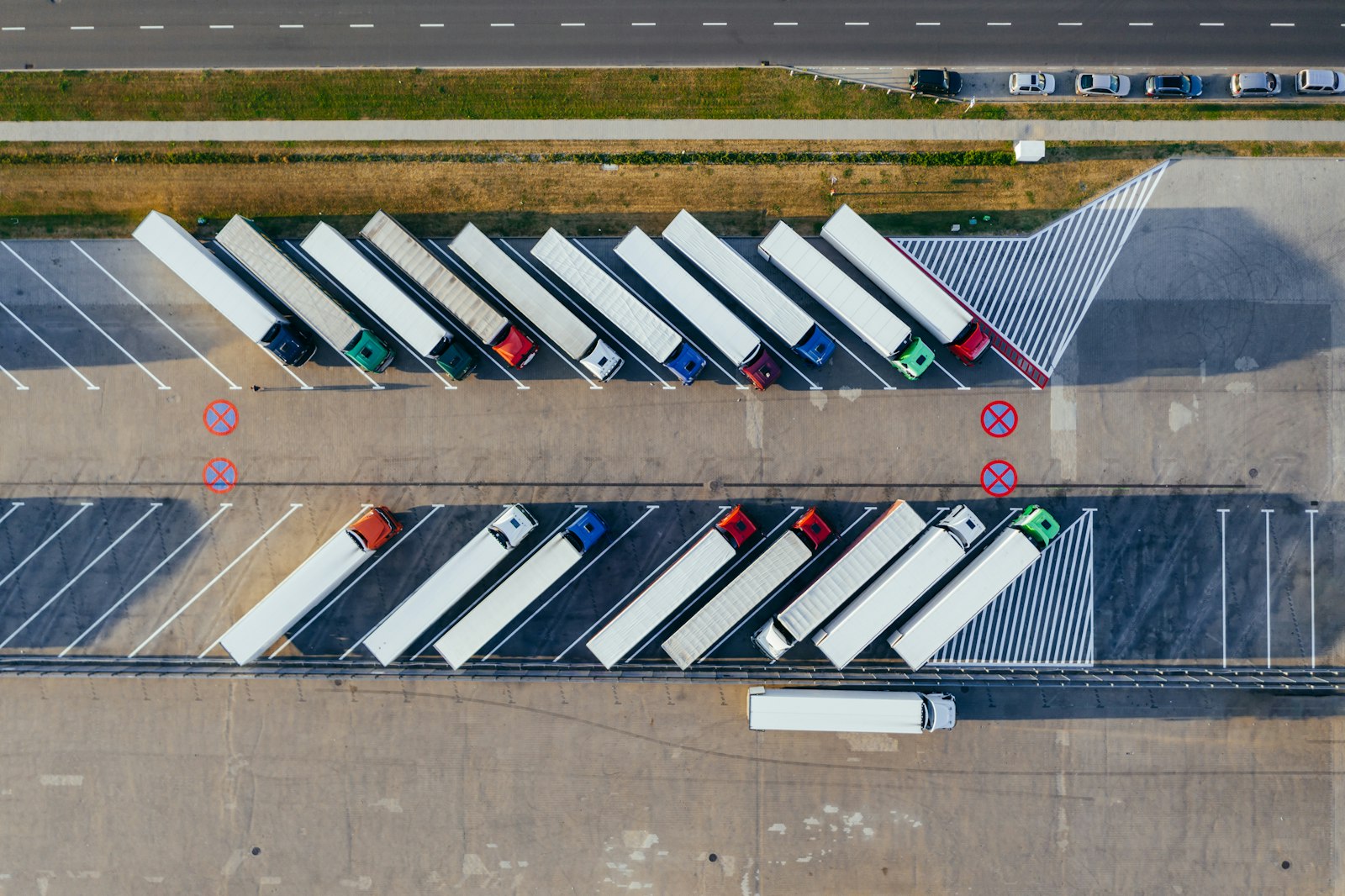
Industrial gases — medical oxygen, nitrogen, argon, carbon dioxide, hydrogen — are the silent inputs behind almost every industrial process in modern India. Hospitals need O2 for ICUs and surgeries. Steel and welding shops need argon and CO2. Food processors need nitrogen for blanketing and freezing. Semiconductor and pharma plants need ultra-high-purity grades. Without them, nothing else works.
India's industrial gas market is currently around ₹18,000 crore and growing at 9–11% annually, driven by hospital capacity additions, the steel boom, the rise of cold-chain logistics, and increasingly the green hydrogen agenda. Yet 80%+ of the formal market is concentrated in four players — Linde India, Air Liquide, INOX Air Products and Air Water — leaving large geographic gaps in Tier-2/Tier-3 industrial clusters.
BIDUA Industries is exploring the build of one or more Air Separation Units (ASUs) and CO2 / specialty gas plants in a Tier-2 industrial cluster — supplying medical oxygen to district and private hospitals, bulk nitrogen and argon to local fabricators, and food-grade CO2 to bottlers within a 100 km radius. This is heavy industry, but it is also exactly the kind of long-cycle, infrastructure-grade asset BIDUA's holding-group thesis is built for.
COVID taught India one lesson it cannot forget: oxygen is not a commodity, it is critical infrastructure. The country still imports air separation know-how it ought to be exporting.
The opportunity, on its own terms.

India has not forgotten 2021.
The second COVID wave exposed an ugly truth: India had enough oxygen capacity nationally, but no last-mile distribution. Every state now mandates buffer storage and on-site PSA plants at hospitals above a bed threshold — and somebody has to supply, install, and refill them.
Steel, EV and semiconductor capex is at a 15-year high.
PLI schemes are pulling fabs, battery plants and steel expansions into Gujarat, Karnataka, Telangana and Tamil Nadu. Each consumes industrial gases by the truckload, and the incumbents cannot serve every cluster.
Green hydrogen is the next decade.
The National Green Hydrogen Mission targets 5 MMT/year by 2030. The same engineering DNA — cryogenic separation, compression, cylinder logistics — sits at the heart of both gases and hydrogen.
Cylinder logistics is a moat, not a commodity.
Gas itself is cheap; the entire business is in cylinder rotation, telemetry, regulatory compliance and uptime SLAs with hospitals. That is an operations problem, and BIDUA solves operations problems.
Sized in three rings.
- Medical O2: post-COVID buffer mandates have doubled hospital-side stockholding norms.
- Welding & fabrication: India is the world's 2nd-largest steel producer — every kg of weld needs shielding gas.
- Food & beverage: nitrogen flushing, dry-ice, CO2 for carbonation — the cold chain build-out is captive demand.
- Specialty gases: pharma, semiconductors and labs pay 5–10× the price of bulk gases for the same molecule at higher purity.
How it works, end to end.

Cluster-anchored ASU
One Air Separation Unit per industrial cluster, sized 100–300 TPD. Produces liquid oxygen, nitrogen and argon. Located within 50–100 km of anchor offtakers (a steel plant, a hospital cluster, a pharma SEZ).
Anchor offtake + spot market
60–70% of capacity contracted to 2–3 anchor customers on 5–10 year take-or-pay contracts. Remaining 30–40% sold on the spot market to local fabricators, hospitals and food processors at premium pricing.
Cylinder logistics network
Owned and tracked cylinder fleet for last-mile delivery. Telemetry-enabled refill stations at strategic points. Recurring revenue from rental, refill and cylinder-management fees.
Medical-grade vertical
Dedicated medical O2 manifolds for private hospitals and nursing homes. Annual maintenance contracts on PSA plants installed during COVID. Predictable, regulated, contract-driven revenue.
Specialty gas upside
Phase 2 — high-purity argon, carbon dioxide, helium repacking, and eventually research-grade gases. 5–10× the margin of bulk gas on the same logistics footprint.
Three compounding phases.
Plant build & anchor
- Anchor take-or-pay contracts
- PSA O2 plant installation fees at hospitals
- Liquid medical oxygen tanker sales
- Cylinder deposit and rental income
Spot market & cylinders
- Spot sales to fabricators and SMEs
- Cylinder refill revenue (recurring)
- Food-grade CO2 and dry ice
- Annual maintenance contracts on PSA fleet
Specialty & adjacent
- Specialty / ultra-high-purity gas margins
- Helium repacking and trading
- Green hydrogen pilot offtake
- Carbon credit + waste heat recovery
Patient cadence, deliberate steps.
-
Q3 2027Cluster selection, anchor LoIs signed, environmental and explosives licence applications filed.
-
Q1 2028Land acquisition / lease, plant order placed (12-month delivery for ASU).
-
Q2 2029First ASU commissioned. Cylinder fleet of ~2,000 units rolled out.
-
2030Capacity ramp to 80% utilisation. Medical O2 contracts with 50+ hospitals signed.
-
2031CO2 plant and specialty gas line commissioned at the same site.
-
2032Evaluate second cluster or green hydrogen pilot offtake agreement.
Who else is here — and why we're different.
- Telemetry-first cylinder fleet — every cylinder tracked for location, pressure and refill cycles.
- Hospital uptime SLA backed by buffer storage and tanker reserves, not just paper guarantees.
- Cluster focus — better service to mid-size customers the big-4 deprioritise.
- Operations DNA from running BIDUA Pods manufacturing and Naploo hospitality — both are uptime businesses.
What can go wrong — and how we plan for it.
Capex intensity (₹100–250 cr per plant)
Mitigation: Anchor take-or-pay contracts cover ~60% of fixed cost before financial close. Debt-equity 60:40. Long-tenor infrastructure debt available from SIDBI and IREDA.
Power tariff volatility
Mitigation: ASUs are power-hungry. Captive solar / open-access wheeled power on 25-year PPA. Industrial tariff hedging through state DISCOM contracts.
Safety incidents (cryogenic, high-pressure)
Mitigation: PESO licensing, third-party HAZOP audits, mandatory operator training, BS OHSAS 18001 systems from day one. Zero-incident culture, not a paper compliance one.
Customer concentration on anchors
Mitigation: Cap anchor share at 70% of capacity. Build spot-market book in parallel from year 1. Diversify across steel, hospitals, food and SMEs.
Regulatory tightening on medical O2
Mitigation: Stay ahead of CDSCO and state DGHS norms. Medical O2 SOPs to ISO 7396 from commissioning.
Connected BIDUA divisions.
Every BIDUA bet feeds something else in the group. This one connects to:
 Live
Live
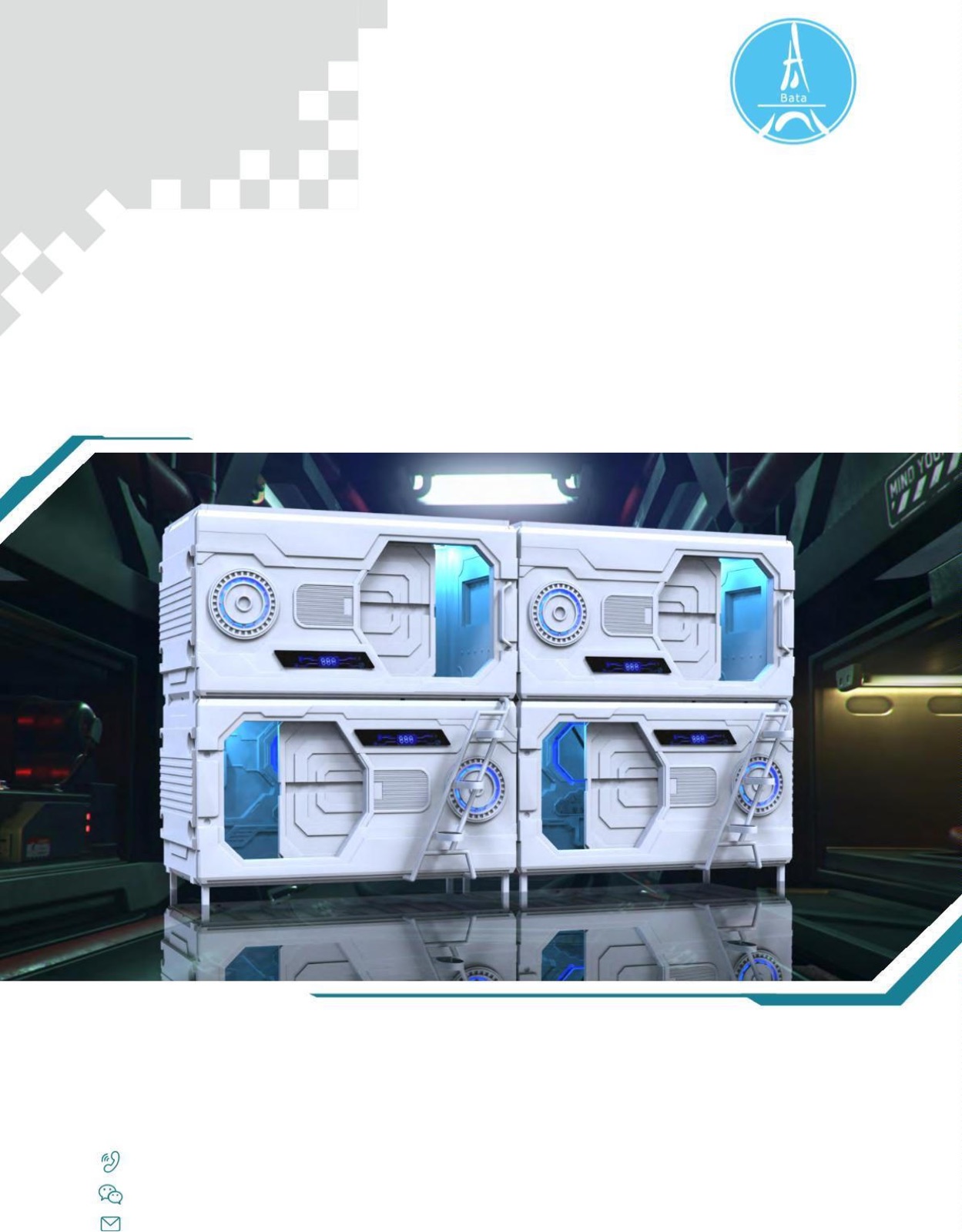
BIDUA Pods
Shared industrial operations DNA — compressors, safety systems, continuous-process discipline.
biduapods.com Live
Live
BIDUA Hosting
Cloud backbone for cylinder telemetry, customer portal and SLA monitoring.
biduahosting.com Live
Live
FinWault
B2B invoicing, cylinder deposit accounting and dealer credit lines.
finwault.com
Questions partners and investors actually ask.
Why enter a market already dominated by Linde and Air Liquide?
Their cost structure is built for very large customers. India has thousands of mid-sized industrial users and Tier-2 hospitals who get poor service from the majors. The gap is real and persistent.
What is the typical capex for an ASU?
₹100–250 cr depending on capacity (100–300 TPD) and product mix. Add 25–30% for cylinder fleet, tankers and storage.
How long until cashflow breakeven?
Expected 18–30 months from commissioning, assuming 65–75% capacity utilisation. Payback over 4–6 years. This is patient infrastructure capital, not venture capital.
Is medical oxygen still profitable post-COVID?
Yes, but the dynamics changed. Government caps emergency pricing, but normal-time medical O2, PSA AMCs and hospital buffer contracts are steady, regulated and growing.
Where would the first plant be located?
Final cluster selection is part of 2027 due diligence. Karnataka, Gujarat and Andhra Pradesh are leading candidates due to steel, pharma and EV capex concentration.
Does BIDUA have heavy-industry experience?
BIDUA Pods runs a manufacturing operation with industrial gases, compressors and continuous-process discipline. This is adjacent, not unrelated.
How does this tie into green hydrogen?
ASUs, cryogenic storage and high-pressure logistics are 70% of the engineering stack of green hydrogen. Once volumes mature, a green hydrogen line is a logical extension at the same site.
Co-build India's next industrial gas cluster.
We are speaking to anchor offtakers, land partners, EPC firms and infrastructure investors for our 2028 plant cycle. Heavy industry, long horizons, real cash flows.