Patient Waiting Alert Band Device
A silicone band that buzzes when the doctor is ready — the Indian OPD waiting room, finally fixed.
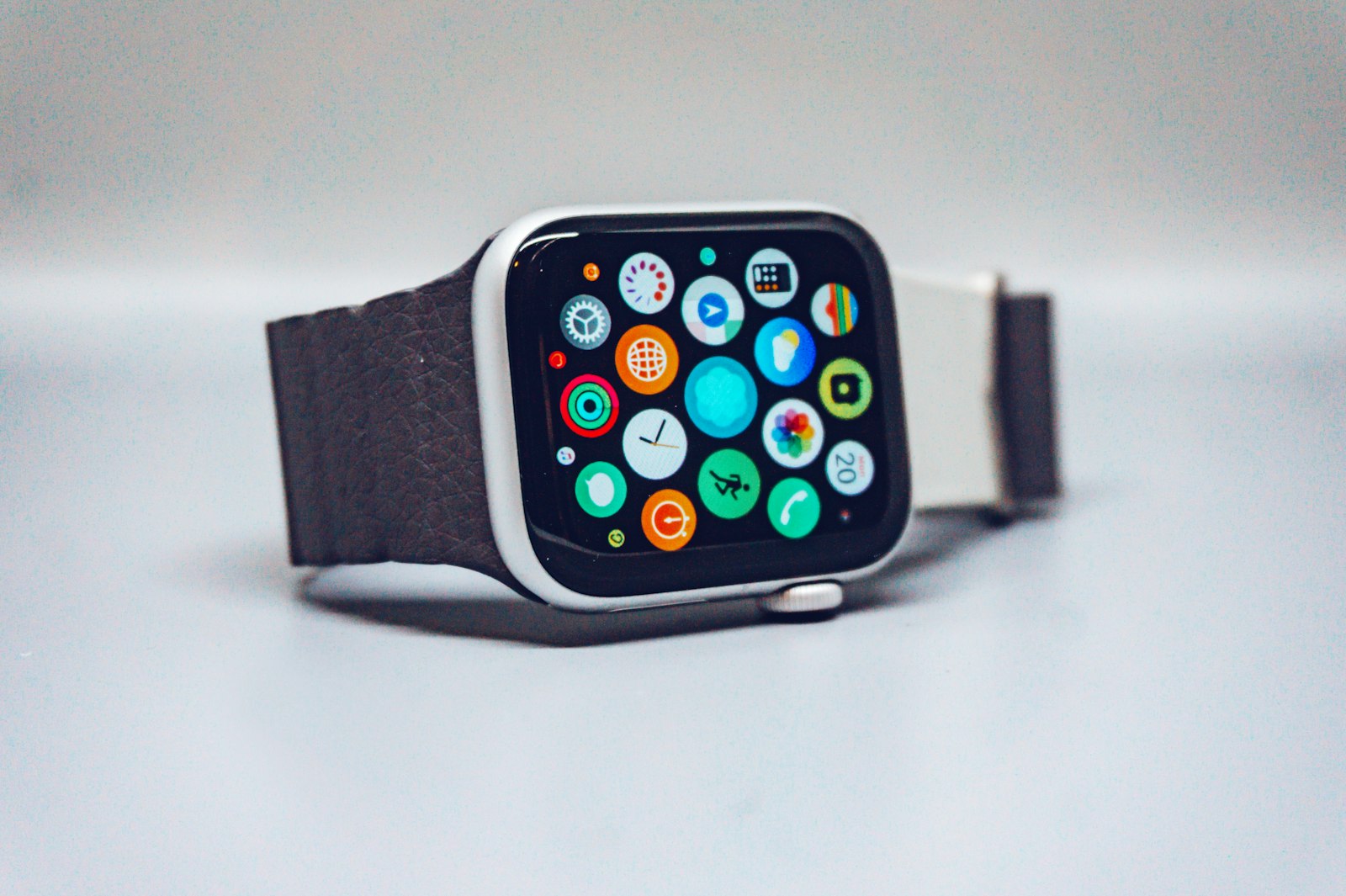
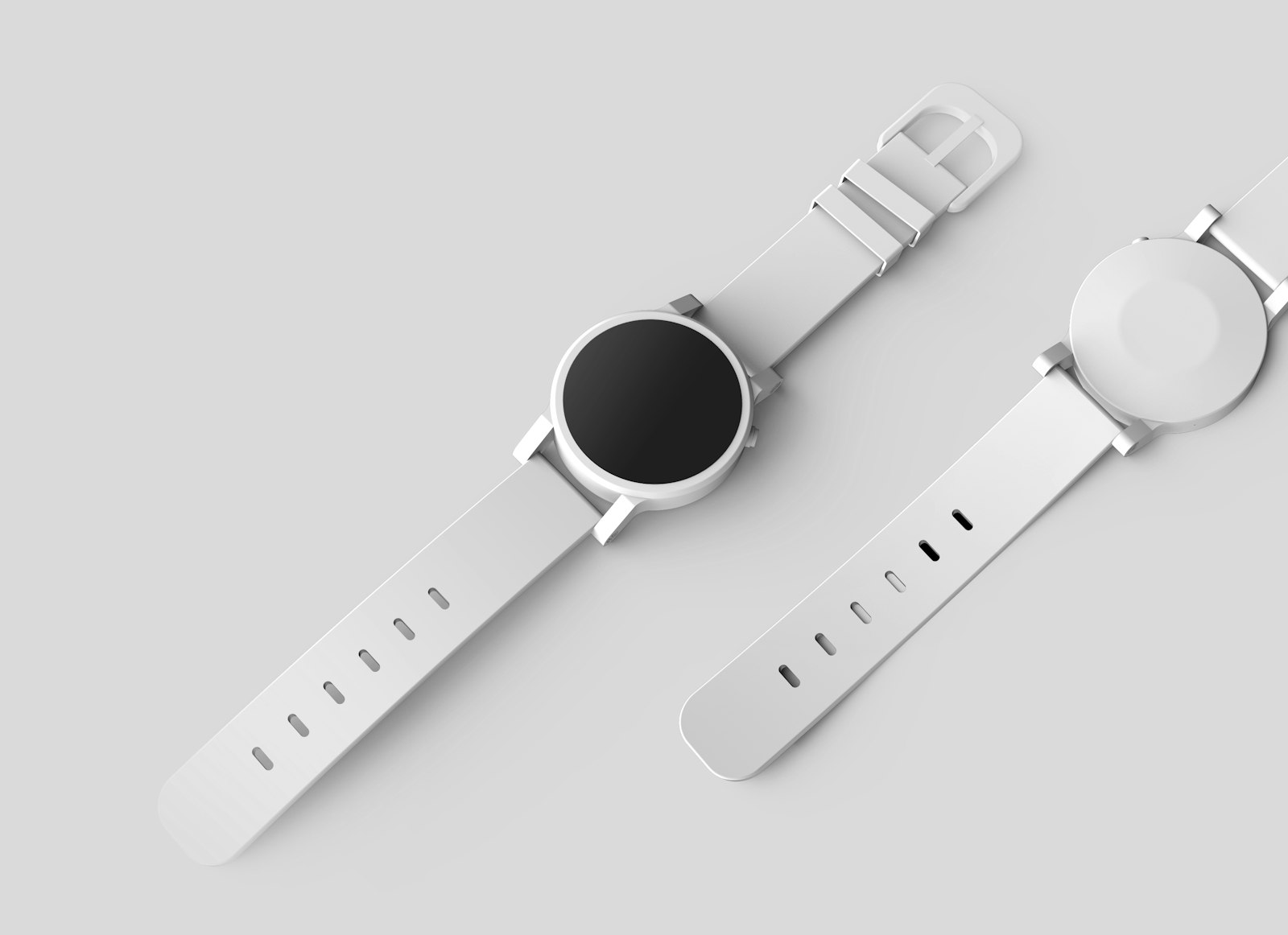
The Patient Waiting Alert Band is a small, soft silicone wristband — handed to the patient at registration, paired to their OPD token number, and configured to vibrate when their turn is approaching. The patient can step outside, get a chai, sit in the car park, take the kid to the bathroom — and still be confident they will not miss their slot.
On the hospital side, the band is paired with a tablet at every consultation room. The doctor taps 'next', and the corresponding band buzzes. The system tracks average wait time per doctor per day, queue position, no-show rate and OPD throughput — all data the hospital management team currently does not have.
This is built as a B2B device sold to hospital chains (Apollo, Fortis, Manipal, Max, Medanta), large standalone hospitals, and government-empanelled secondary-care facilities. It is not a consumer SKU. Each hospital buys 200–800 bands depending on OPD volume, plus the backend system and tablets.
The most painful part of an Indian hospital visit is not the diagnosis — it is the four hours of low-grade panic in a waiting hall, refreshing nothing, told nothing, while the screen flickers a number that is somehow always six ahead of yours.
The opportunity, on its own terms.
India's OPD volume crossed 1.2 billion visits in 2024.
Even small efficiency gains compound. A 15-minute reduction in average wait per patient is hundreds of hours of staff and patient time saved per hospital per day.
Patient experience is now a board-level metric.
NABH accreditation, ABDM (Ayushman Bharat Digital Mission) compliance and competitive insurance empanelment all increasingly factor patient experience scores. Waiting time is the single most cited complaint.
BLE indoor positioning is mature and cheap.
A 2026 BLE radio chip + battery + vibration motor + plastic shell costs under ₹350 at component cost. The cost equation works.
Indian hospital chains are digitising fast.
Apollo, Fortis and Manipal have all rolled out hospital-information-systems (HIS) upgrades since 2023. They are buying — and they are buying patient-experience layers, not just back-office software.
Sized in three rings.
- India has 70,000+ hospitals, of which ~3,500 are private chains with 100+ beds — the addressable B2B target list.
- Average OPD volume in a tier-1 chain hospital is 800–1,500 patients / day.
- Patient-experience and queue-management software is among the top 3 procurement priorities for NABH-accredited hospitals in 2026 procurement surveys.
- ABDM-driven digital health adoption is accelerating — the bands fit naturally into a hospital's existing patient-ID and token system.
How it works, end to end.
Hardware + software bundle
Hospital pays for the bands (one-time, ₹420 / band), the consulting-room tablets (one-time), and a per-patient-visit software fee (₹2 / OPD visit) for queue analytics and dashboards.
Reusable bands, not disposable
Bands are disinfected and reissued. Average lifecycle is 10+ uses. Hospital amortises hardware cost across many patients.
Integration with HIS
Pre-built integrations with major Indian Hospital Information Systems (Medha, Birlamedisoft, Insta, IBM Curam, Akhil HMS). The band reads token numbers directly from the existing system.
Analytics dashboard for management
Wait-time-per-doctor, no-show patterns, peak-hour staffing recommendations. Sold as part of the SaaS subscription — this is where the recurring revenue compounds.
Government and PSU channel
Large government hospitals (AIIMS, district hospitals, ESI) and PSU medical centres are a second wave. Lower price point but enormous volumes.
Three compounding phases.
Pilot
- Pilot with 3 hospitals in NCR
- Hardware sales (bands and tablets)
- HIS integration consulting
- Founding-customer co-development
Scale
- Multi-city chain rollouts (Apollo, Fortis, Manipal)
- Per-visit software subscription
- Analytics dashboard SaaS
- Band replacement / refresh cycles
Platform
- Government and ESI hospitals
- ABDM-integrated patient journey layer
- Cross-sell with diagnostic labs
- Export to SE Asia healthcare chains
Patient cadence, deliberate steps.
-
Q1 2027Hardware design freeze. Medical-grade silicone, IPX5 rating, hospital-disinfectant tested.
-
Q2 2027HIS integration v1 with Akhil HMS and Insta. Closed pilot at one Delhi hospital.
-
Q4 2027Three hospital pilots running. Real wait-time and patient-satisfaction data collected.
-
Q2 2028First multi-hospital chain contract signed. 1,500-band rollout.
-
202920-hospital footprint. Analytics dashboard becomes the lead-product hook for new sales.
-
2030150-hospital target. Government hospital pilots in two states.
Who else is here — and why we're different.
- Hardware wearable, not just an app — works for elderly and low-tech patients.
- Pre-integrated with Indian HIS systems — fastest deployment in the category.
- Made in India with full hospital-grade disinfection compliance.
- Analytics layer makes it a management tool, not just a patient comfort feature.
What can go wrong — and how we plan for it.
Bands lost or not returned by patients
Mitigation: Refundable ₹100 deposit at registration. Tracking the band-token mapping ensures retrieval rate above 95%.
Hygiene / cross-infection concerns
Mitigation: Medical-grade silicone, autoclave-safe up to 80°C, hospital-disinfectant tested. Bands cleaned between every use.
HIS integration friction
Mitigation: Pre-built connectors for 6 leading Indian HIS systems. Dedicated integration team. 4-week deployment SLA.
Long sales cycle to hospital procurement
Mitigation: Pilot-first model. The pilot itself generates the data that drives procurement. Avoid pure-cold-pitch.
Battery failure at peak load
Mitigation: 72-hour battery, charging cradle at the registration desk. Hot-swap inventory at every hospital.
Connected BIDUA divisions.
Every BIDUA bet feeds something else in the group. This one connects to:
Questions partners and investors actually ask.
Does the patient need a smartphone?
No. The band itself vibrates — no app needed. This is deliberate — it covers elderly patients, low-tech patients and anyone who has run out of phone battery.
How does the band know the token number?
At registration, the band's serial number is paired to the patient's OPD token in the hospital information system. When the doctor calls 'next', the system buzzes the corresponding band.
Is it hygienic to reuse?
Yes — the band is medical-grade silicone, disinfectant-safe, and is cleaned between every use following NABH-standard hospital disinfection protocols.
What if a patient walks out of the hospital?
BLE indoor range is ~30 m. The band buzzes for up to 5 minutes when in range; if the patient is out of range, the system flags it and an SMS fallback fires.
How does it integrate with our existing HIS?
We have pre-built connectors for Akhil HMS, Insta, Medha, Birlamedisoft and IBM Curam. Other HIS systems take 4 weeks of integration time.
What does the management dashboard show?
Average wait time per doctor, peak-hour patterns, no-show rate, queue-length analytics, and SLA-breach alerts. All exportable for board reports.
Will this work in emergency or critical wards?
No — the band is for OPD and outpatient queue management only. Emergency departments use different protocols and triage systems.
What is the pricing model?
Bands and tablets are one-time hardware sales. The software is a per-visit recurring fee, typically ₹2/visit, billed monthly.
Hospital chains and administrators — pilot with us.
We are taking three founding hospital partners for the 2027 pilot. Full deployment, HIS integration and analytics dashboard included.