Perfume Brand
India invented attar. Then forgot how to package it. We are building the perfume brand that takes both back.
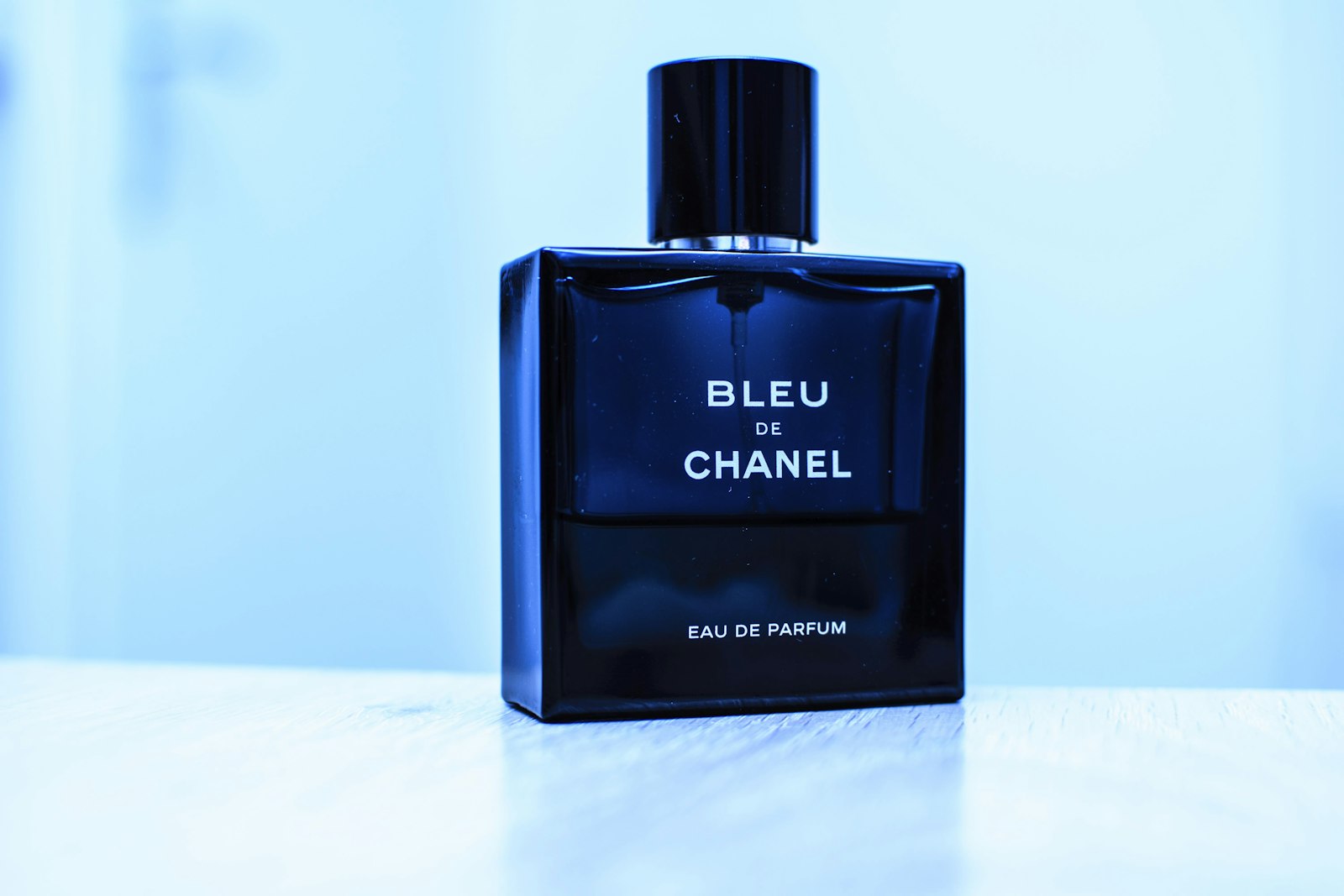
BIDUA Perfumes (working name) is a premium Indian fragrance house — eau de parfum strength, long-lasting, built around Indian ingredients (oudh, sandalwood, vetiver, jasmine, kewra, saffron, rose), but presented and priced like a modern international brand. The launch library will include 12 fragrances across men's, women's and unisex lines, retailing at ₹1,499–2,999.
The Indian perfume market is exploding. The mass attar segment is huge but unbranded. The premium segment is dominated by imported names — Dior, Tom Ford, Creed — at ₹8,000–25,000 per bottle. The middle is wide open. Brands like Bombay Perfumery, Naso Profumi and Boond have shown the buyer exists. There is no clear leader yet.
If validated, BIDUA leans hard into vertical integration — sandalwood from our own plantations (see BIDUA's sandalwood plantation thesis), oudh from sustainable Assam sources, jasmine and rose absolutes from Tamil Nadu and Kannauj respectively. The story is not marketing fluff. The supply chain is the brand.
India does not need to imitate Paris. It needs to remember Kannauj, package it like Milan and sell it like Mumbai. That is the fragrance brand we want to build.
The opportunity, on its own terms.
India has crossed the fragrance affordability threshold.
Middle-class urban consumers earning ₹15 L+ a year are spending ₹1,500–4,000 on a bottle of EDP — the same way they bought their first ₹50,000 phone a decade ago.
Indigenous luxury is winning.
Forest Essentials, Kama Ayurveda, Paro and Tilfi have proven that authentically Indian, premium-positioned brands win against imports. Perfume is the next obvious category.
Gen Z and millennials want a signature, not a designer name.
The Instagram-led fragrance discovery culture rewards story, ingredient transparency and personality — exactly where Indian brands have an advantage.
Raw material supply is genuinely Indian.
Kannauj attars, Mysore sandalwood, Hadagiri jasmine, Assam oudh — the world's best natural fragrance ingredients are already sourced from India. We have been exporting them and importing finished perfume back.
Sized in three rings.
- India fragrance market growing at 15%+ YoY — fastest in personal care after men's grooming.
- Bombay Perfumery, Boond, Naso reportedly cross ₹20–60 cr revenue at premium pricing — proof of concept exists.
- Imported fragrance imports into India crossed USD 280 million in 2024 — a clear pool to capture domestically.
- Gifting and wedding segments alone account for over ₹1,200 cr of fragrance spend per year.
How it works, end to end.
House of fragrances
12 launch fragrances split across three lines — Heritage (deeply Indian, oudh and sandalwood led), Modern (clean, fresh, contemporary) and Signature (unisex, complex, statement). Each fragrance has its own identity and packaging palette.
Vertical raw material story
Sandalwood from BIDUA plantations as they mature. Oudh from contracted Assam producers. Jasmine, rose, vetiver, saffron — direct from Indian farmer cooperatives. Every ingredient is traceable, photographable and marketable.
D2C and selective retail
Launch on BIDUA-owned site, Nykaa, Tata CLiQ Luxury, Amazon Luxury Beauty. Selective retail in 30–40 premium beauty doors across top 8 cities. No mass distribution — protect the brand.
Sampling-led discovery
Fragrance is sold by smell. Every order over ₹999 includes 3 discovery vials. Standalone discovery sets sold separately at ₹499 — high-converting top of funnel.
Cross-pollination with BIDUA Beauty
Shared customer base, shared retail shelf, shared online traffic. Perfume buyers cross-shop skincare; BIDUA Beauty customers receive perfume samples in every order. The cost of customer acquisition is shared.
Three compounding phases.
Build the brand
- D2C through BIDUA Perfumes site
- Nykaa, Tata CLiQ Luxury, Amazon Luxury Beauty
- Discovery vial sample sets
- Influencer-led PR and content marketing
Premium retail and gifting
- Selective retail in 30–40 premium beauty doors
- Wedding and corporate gifting bundles
- Limited edition seasonal drops
- Co-branded fragrances with hotels and designers
Category leadership
- Body care line — body mist, lotion, soap
- Home fragrance — candles, diffusers, room sprays
- Export to UAE, UK, Singapore
- Bespoke fragrance commissioning service
Patient cadence, deliberate steps.
-
Q1 2027Master perfumer engaged. Fragrance briefs developed for 12 launch SKUs.
-
Q3 2027Formulation and stability testing complete. Packaging and bottle design freeze.
-
Q1 2028Commercial launch — D2C site goes live with 12 fragrances and 4 discovery sets.
-
Q4 2028Diwali and wedding gifting campaign. First major brand moment.
-
2029Premium retail rollout across 8 cities. Body care line launches.
-
2032150,000 bottles / year run rate. Export markets active. Bespoke commissioning service open.
Who else is here — and why we're different.
- Vertically integrated sourcing — sandalwood from BIDUA plantations, oudh from Assam contracts.
- 12-fragrance launch library — wider than any indie Indian launch to date.
- Indian story without the kitsch — luxe packaging, modern visual language.
- Cross-sell synergy with BIDUA Beauty — shared retail and customer base.
What can go wrong — and how we plan for it.
Raw material cost and supply
Mitigation: Long-term contracts with multiple sources per ingredient. Internal sandalwood pipeline reduces dependence on external buyers.
Brand-building cost
Mitigation: Lean influencer-led launch. No mass media spend in Year 1. Compounded brand value via BIDUA Beauty cross-promotion.
Counterfeiting risk in premium fragrance
Mitigation: QR-coded authenticity verification per bottle. Selective distribution avoids grey market exposure.
Slow category education
Mitigation: Sampling-led discovery, fragrance journaling content, influencer reviews to teach buyers how to wear and layer.
Master perfumer dependency
Mitigation: Engage 2–3 perfumers across launch library. Build in-house olfactory team over Years 2–3.
Connected BIDUA divisions.
Every BIDUA bet feeds something else in the group. This one connects to:
 Live
Live
BIDUA Beauty Care
Direct sibling — shared customer, shared retail, shared D2C engine.
biduabeauty.com Live
Live
Naploo™ Smart Pod Hotels
Hotel signature scents — co-branded fragrance editions for Naploo properties.
naploo.com Live
Live
BIDUA Pods
Sandalwood and premium wood scenting for Pods premium executive units.
biduapods.com
Questions partners and investors actually ask.
How is this different from existing Indian perfume brands?
Vertically integrated supply (especially sandalwood), wider launch library, deeper retail distribution and shared infrastructure with BIDUA Beauty. We are building a house, not a single fragrance.
Is it strong enough? How long does it last?
EDP concentration (15–20% aromatic compound). Target longevity is 6+ hours on skin and 8+ hours on clothing — same league as imported designer fragrances.
What is the launch price?
₹1,499 to ₹2,999 across the launch library, depending on ingredient complexity. Discovery sets at ₹499.
Are the ingredients really Indian?
Yes — sandalwood from BIDUA-aligned plantations, oudh from Assam contracts, jasmine from Tamil Nadu, rose and kewra from Kannauj. Every ingredient is traceable.
Where will it be sold?
D2C site, Nykaa, Tata CLiQ Luxury, Amazon Luxury Beauty. Premium beauty doors in top 8 cities from Year 2 onwards.
Is it alcohol-based or oil-based?
EDP is alcohol-based for spray and projection. A separate Heritage Attar line — oil-based, traditional Indian — is planned for 2029.
How do you protect against counterfeits?
Every bottle ships with a QR-coded authenticity verification linked to a hosted registry. Distribution is selective and traceable.
Will there be limited editions?
Yes. Seasonal drops, festival editions and limited-run collaborations with designers and Naploo properties are central to the brand strategy.
Help shape the launch library.
We are inviting 200 founding noses to test our Year 1 fragrances ahead of launch. Sign up to receive a discovery vial set.