Ramaera Chaupati
India eats 70% of its meals on the street. We are building the cleanest, most franchisable version of that habit.
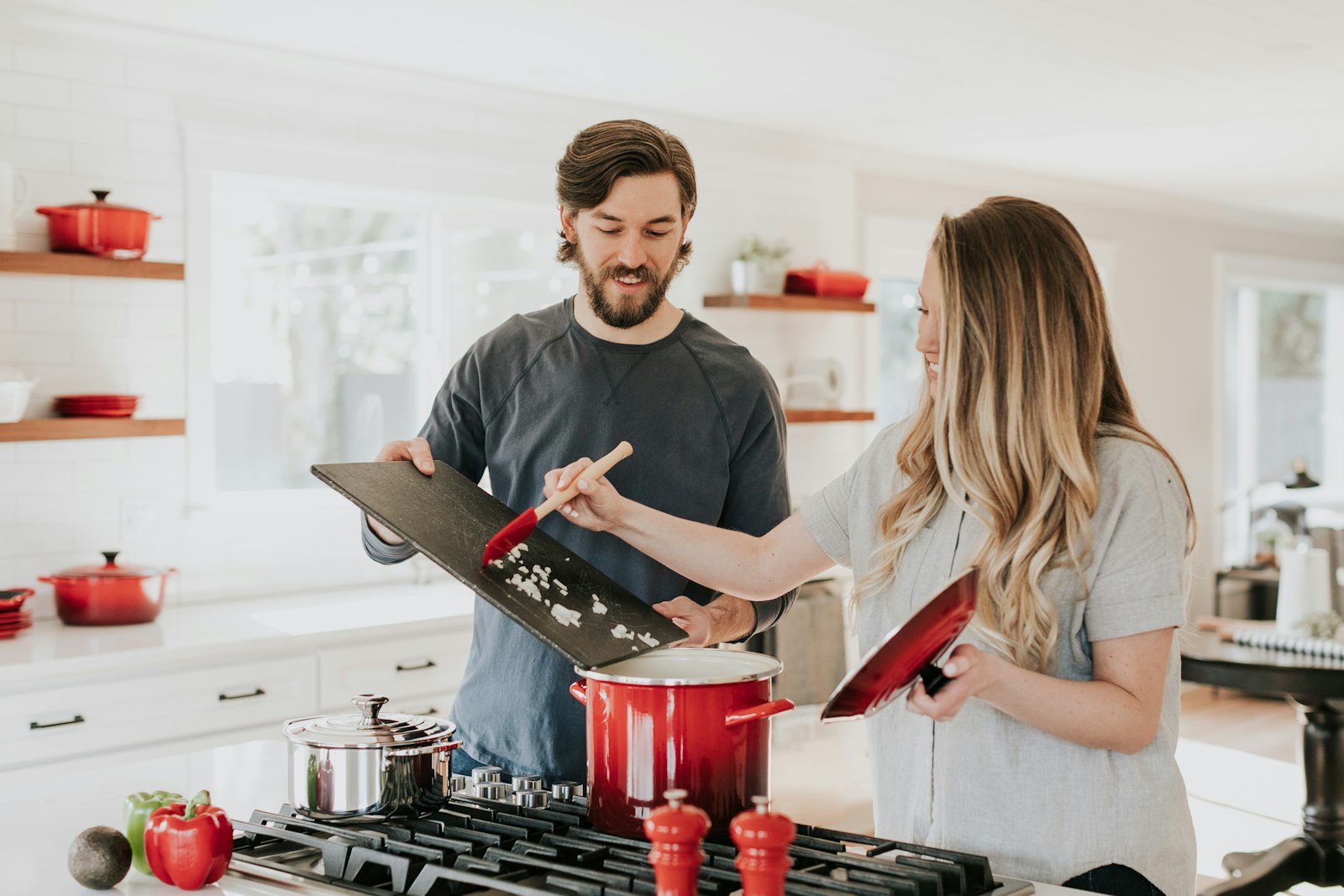
Ramaera Chaupati is a curated street food plaza — a single physical address that brings together 25 to 35 of India's most-loved street food categories under one branded, hygiene-audited roof. Think chaat, dosa, momos, kathi rolls, vada pav, kulfi, sugarcane juice, biryani, pani puri — every stall vetted, every kitchen inspected, every transaction digital.
The Indian street food market is estimated at over ₹2.5 lakh crore annually and growing, yet it is almost entirely unorganised. Families crave the food but worry about water quality, oil reuse and toilet access. Tourists love the experience but cannot read the menu. Working professionals want speed but cannot find seating. Chaupati closes all four gaps in one footprint.
If validated, BIDUA's role is to design, brand and franchise the format — not to operate individual stalls. Vendors keep their recipes and identity. Chaupati provides the physical plaza, the central hygiene SOP, the digital ordering layer, the marketing engine and the customer guarantee. The model scales like a food court without the mall rent.
The Indian street is the world's largest unorganised restaurant. The opportunity is not to replace it — it is to give it a roof, a washroom, a QR code, and a brand the family can trust.
The opportunity, on its own terms.
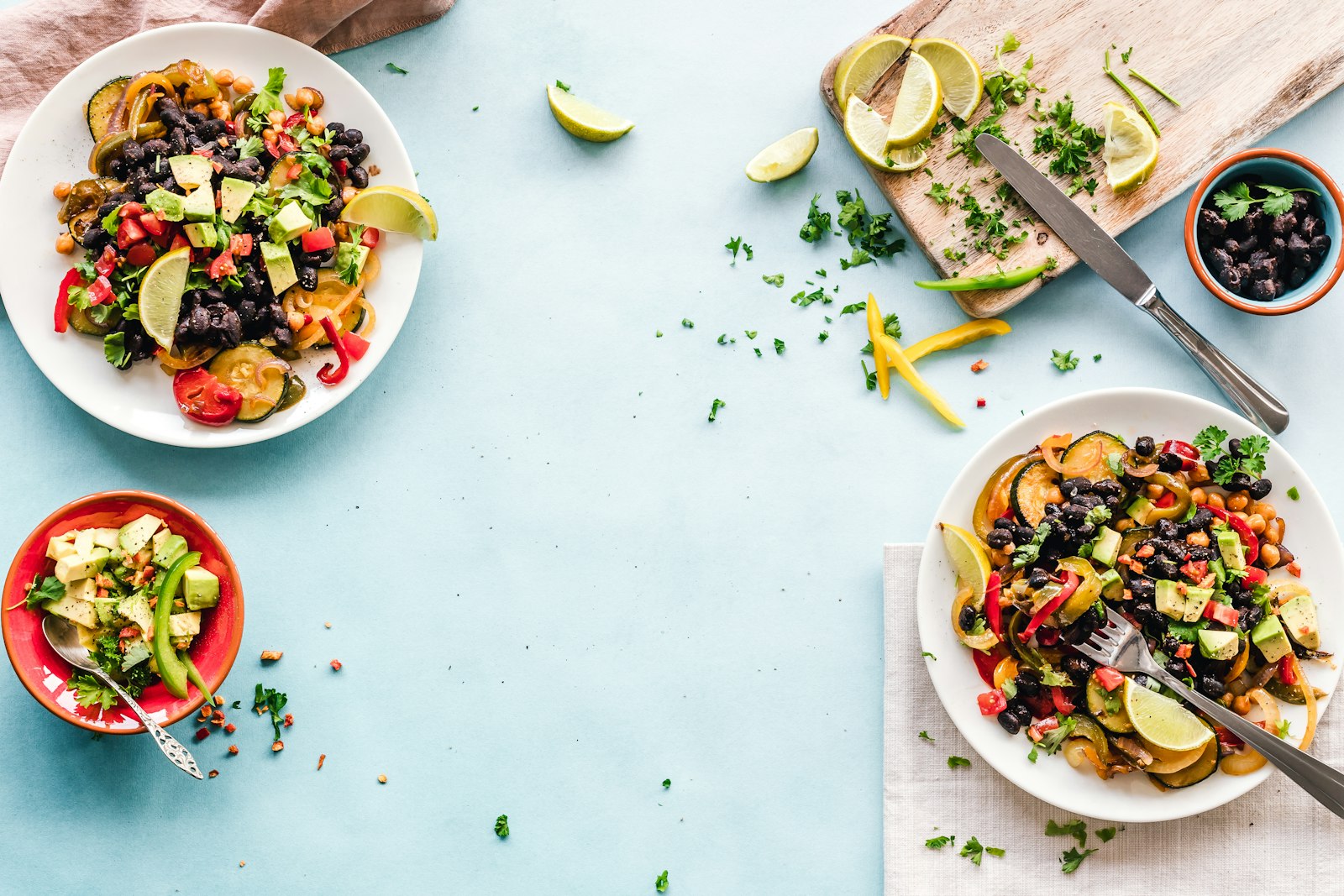
Hygiene anxiety is mainstream.
Post-COVID, even loyal street food customers ask where the water came from. A branded plaza with audited stalls converts that anxiety into trust — and into ticket size.
Tier-2 and tier-3 India is hungry for a third place.
Beyond malls and coffee chains, families in Indore, Jaipur, Lucknow, Coimbatore want a clean, affordable evening destination. Chaupati is built for those cities first, not metros.
Digital ordering is now affordable for micro-vendors.
UPI, kitchen display systems and shared POS hardware mean a chaat stall can take 200 orders an hour without a billing counter. The technology that makes Chaupati possible only became cheap in the last 24 months.
FSSAI enforcement is tightening.
State governments are pushing licensed food zones. A pre-compliant Chaupati format is exactly what municipal authorities are now willing to allot land for at concessional rates.
Sized in three rings.
- An average urban Indian household spends ₹3,500–6,500 a month eating out, of which roughly 40% is informal street food.
- FSSAI has registered over 4 lakh street food vendors under the Clean Street Food Hub scheme — pre-built demand for organised formats.
- Tier-2 mall food courts average ₹1.2–1.8 lakh per sq ft per year in revenue — Chaupati's standalone plaza model targets similar density at one-third the rent.
- Foreign tourist arrivals to India crossed 9 million in 2024 — a captive audience for a single trusted street food destination per city.
How it works, end to end.

Real estate as the anchor
BIDUA secures 6,000–12,000 sq ft plots on long lease in tier-2 city food belts — typically near markets, transit hubs or family entertainment zones. Land is the moat; the format is the multiplier.
Vendor-as-franchisee
Each of the 25–35 stalls is licensed to an individual operator — often an existing well-known vendor in that city. They pay a one-time fit-out fee plus a revenue share. Chaupati controls hygiene SOP and brand standards; the vendor controls the recipe.
Shared infrastructure
Central RO water plant, common cold storage, shared dishwashing, unified billing, audited oil sourcing, CCTV-monitored kitchens. The per-stall cost of being clean drops by 70% when 30 stalls share the back-end.
Digital ordering layer
Customers scan one QR code per table, browse all 30 stalls in one menu, pay once. Orders route to each stall's KDS. Reduces queue time, lifts average ticket size, and creates a first-party customer database — something street food has never had.
Brand & events
Chaupati is positioned as a family destination, not a food court. Live music nights, regional food festivals, kids' play zones, ladies' nights. The brand earns repeat visits — and a 25% premium over informal street prices.
Three compounding phases.
Prove the unit economics
- Stall licensing fees (one-time ₹3–6 L per vendor)
- Monthly rent + revenue share from each vendor
- Beverage and bottled water sales (BIDUA-controlled)
- Event and weekend ticketed nights
Expand to 5–8 outlets
- Franchise fees from city partners
- Centralised supply chain margin (oil, packaging, water)
- Digital ordering platform fees
- Sponsor and brand partnerships
Network effects
- City franchise rights (₹50 L–1.5 cr per city)
- Private-label snacks and ready-to-eat exports
- Loyalty programme and Chaupati gift cards
- Catering and large-event verticals
Patient cadence, deliberate steps.
-
Q2 2027Concept design freeze. Identify 3 candidate cities — likely Indore, Jaipur and Lucknow.
-
Q4 2027Land or long-lease secured for pilot outlet. Vendor shortlisting begins.
-
Q2 2028Pilot Chaupati opens. 25 stalls, 250 covers, full digital ordering.
-
2029Second and third outlets in adjacent tier-2 cities. Franchise pack and SOP manual finalised.
-
2030First city franchise sold to external partner. Central kitchen and shared supply chain go live.
-
203225 outlets target. Private-label Chaupati snacks launched in modern trade.
Who else is here — and why we're different.
- Curated vendor list per city — local recipes stay local, brand stays national.
- One bill, one QR, 30 kitchens — first proper digital layer over Indian street food.
- Family-first design: clean toilets, baby chairs, lit seating, separate seating for women.
- Pre-built FSSAI compliance and central RO water — every plate is audited.
What can go wrong — and how we plan for it.
Vendor quality drift over time
Mitigation: Monthly hygiene audits, mystery-customer programme, contractual right to terminate any stall on 3 strikes.
Real estate cost in good locations
Mitigation: Focus on tier-2 cities and revenue-share leases. Avoid metro mall rents entirely.
Weather impact on footfall
Mitigation: Semi-covered design with monsoon-ready roofing. Indoor section for 40% of seating.
Vendor pricing conflicts
Mitigation: Price-band rules per category — vendors compete on quality and variety, not on undercutting.
Slow ramp in unproven cities
Mitigation: Pre-launch tasting events, local influencer tie-ups, opening-month combo pricing to build habit.
Connected BIDUA divisions.
Every BIDUA bet feeds something else in the group. This one connects to:
 Live
Live
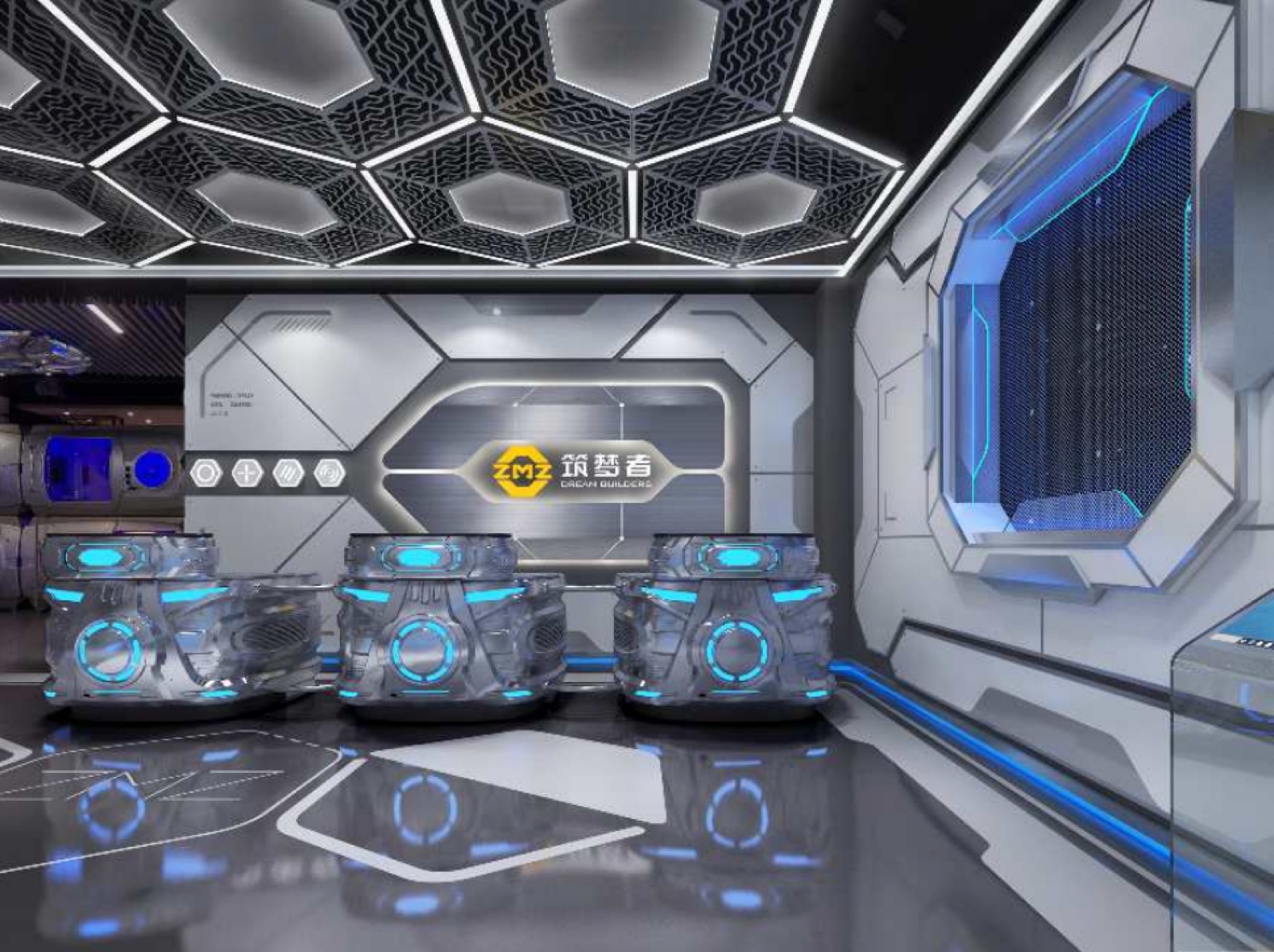
Naploo™ Smart Pod Hotels
Hospitality DNA — same operational discipline as Naploo properties applied to a food destination.
naploo.com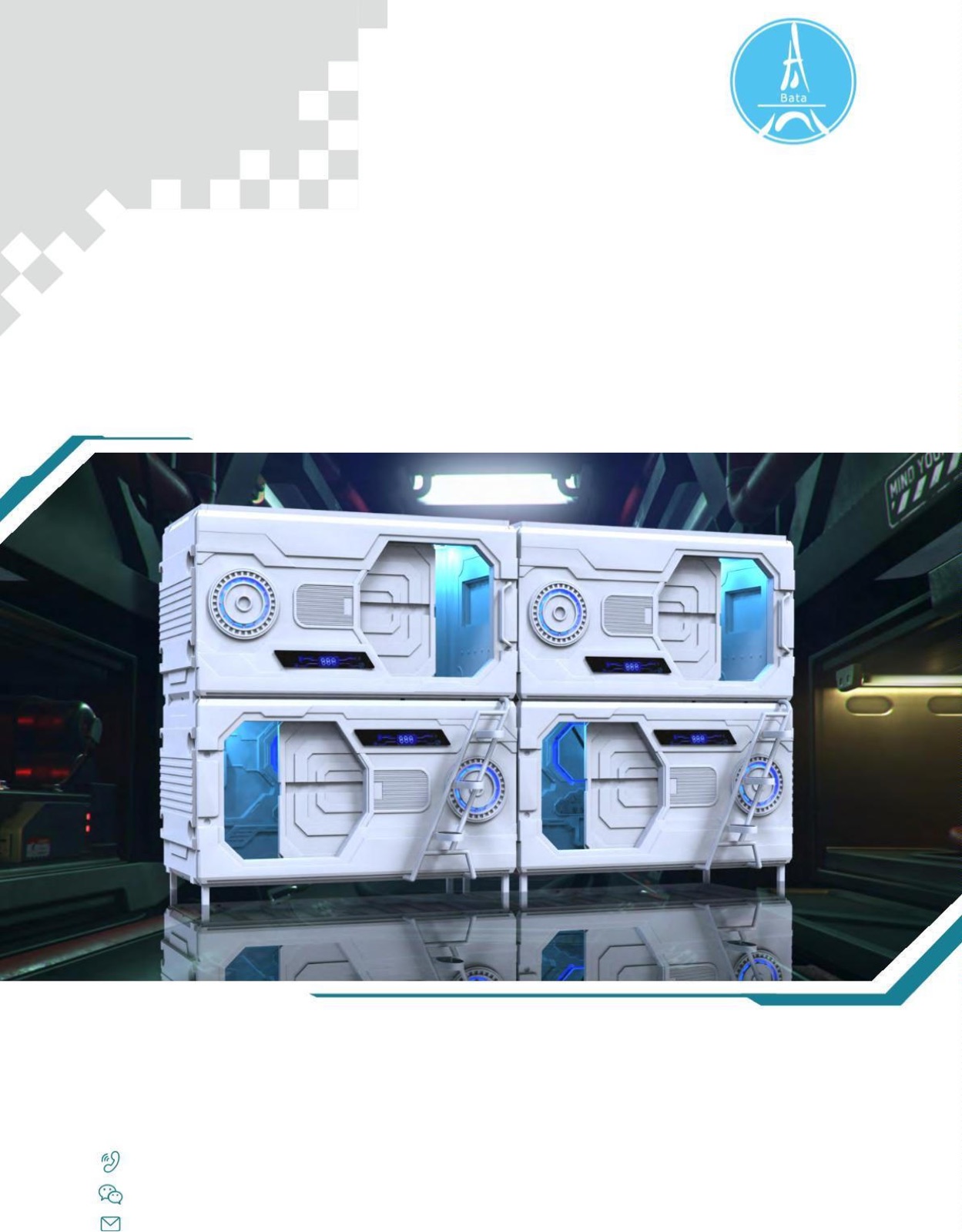 Live
Live
BIDUA Pods
Modular stall and seating fabrication. Pods-style prefab construction can shorten Chaupati build-out by 60%.
biduapods.com Live
Live
FinWault
Single-QR billing, vendor settlements and franchise finance can run on FinWault rails.
finwault.com
Questions partners and investors actually ask.
Is Chaupati a single restaurant or a food court?
Neither. It is a destination plaza — 25 to 35 independent stalls under one roof, one brand, one bill. Closer to a curated night market than a mall food court.
Will Chaupati own the recipes?
No. Vendors retain their recipes and IP. Chaupati owns the location, brand, hygiene SOP and digital ordering layer.
What is the investment per outlet?
Indicative budget is ₹3.5–6 crore per outlet including fit-out, kitchen infra and working capital — varies by city and plot size.
Why tier-2 cities first?
Lower rent, less organised competition, larger family audiences and underserved evening-out demand. Metro launch comes after model is proven.
How are vendors selected?
Existing well-known street food operators in each city, audited for taste, consistency and willingness to follow the hygiene SOP.
What protects me as a franchise partner?
Exclusive city or zone rights, SOP and supply chain access, brand marketing support, and an existing playbook from the BIDUA pilot.
How is hygiene actually enforced?
Central RO water, audited oil sourcing, monthly third-party hygiene scoring, CCTV in all kitchens, and FSSAI-mandated training for every cook on site.
What is the expected payback?
Internal modelling targets 3.5–4.5 year payback per outlet if validated, driven by stall licensing, rent and a margin on shared supply chain. Actual returns depend on city, footfall and ticket size.
Partner with us on the first Chaupati outlet.
We are scouting tier-2 city partners with land or strong local F&B operations. Limited founding-city slots.