Recharge Portal with Add Money
The quiet plumbing under every Indian recharge — wallet, cashback, retailer commissions, one rail.
India runs on small, frequent payments. A ₹239 mobile recharge, a ₹450 DTH plan, a ₹1,200 electricity bill, a ₹1,055 LPG cylinder, a ₹500 FASTag top-up — multiplied across 1.15 billion mobile connections and ~310 million households, this is the most predictable transaction stream in the country.
The BIDUA Recharge Portal is a multi-utility recharge and bill-payment platform built on top of NPCI's Bharat BillPay (BBPS) and direct operator APIs. Consumers get a wallet, instant recharges, and cashback. Kirana retailers get a B2B panel with deeper commissions, a daily settlement, and a working-capital float they can actually feel.
This is an idea-stage project. The platform is not yet built. The market sizes below are directional — what is possible if BIDUA executes well against incumbents like Paytm, PhonePe, Mobikwik and the dense retail-assisted networks of PaySprint, Eko and Spice Money.
Every Indian recharges something every month — phone, DTH, electricity, gas, FASTag. The winner isn't the prettiest app. It's the boring one with the best uptime, the deepest commissions, and the retailer's trust.
The opportunity, on its own terms.
BBPS coverage finally crossed the chasm.
Bharat BillPay now aggregates 20,000+ billers — electricity, gas, water, LPG, FASTag, insurance, loan EMIs, broadband, education fees. A new platform can plug into one rail instead of negotiating with each utility.
Retail-assisted commerce is the wedge.
60% of Tier-2/3/4 India still recharges through a kirana counter. Retailer apps like Spice Money and PayNearby have proved the unit economics — there is room for a leaner, cleaner challenger with better commissions.
UPI rails are free and instant.
Wallet top-ups, refunds, retailer settlements all clear via UPI at zero MDR. The infrastructure question is solved — the remaining game is product, commissions and trust.
Cross-sell potential into BIDUA's stack.
A recharge user is a FinWault user in waiting. A retailer panel is a distribution arm for BIDUA's other services — insurance, micro-loans, hosting reseller plans. Recharge is the cheapest customer-acquisition channel India has.
Sized in three rings.
- Mobile recharge alone: ~₹1.4 lakh crore annual GMV across Jio, Airtel, Vi and BSNL.
- Electricity bill payments via BBPS crossed ₹1 lakh crore TPV in FY25 — the fastest-growing category.
- DTH + OTT recharges: ~₹35,000 crore yearly across Tata Play, Dish TV, Airtel DTH, d2h.
- Retailer commissions in assisted recharge: 0.4%–2.5% depending on operator and slab — a real working business.
How it works, end to end.
Consumer wallet & app
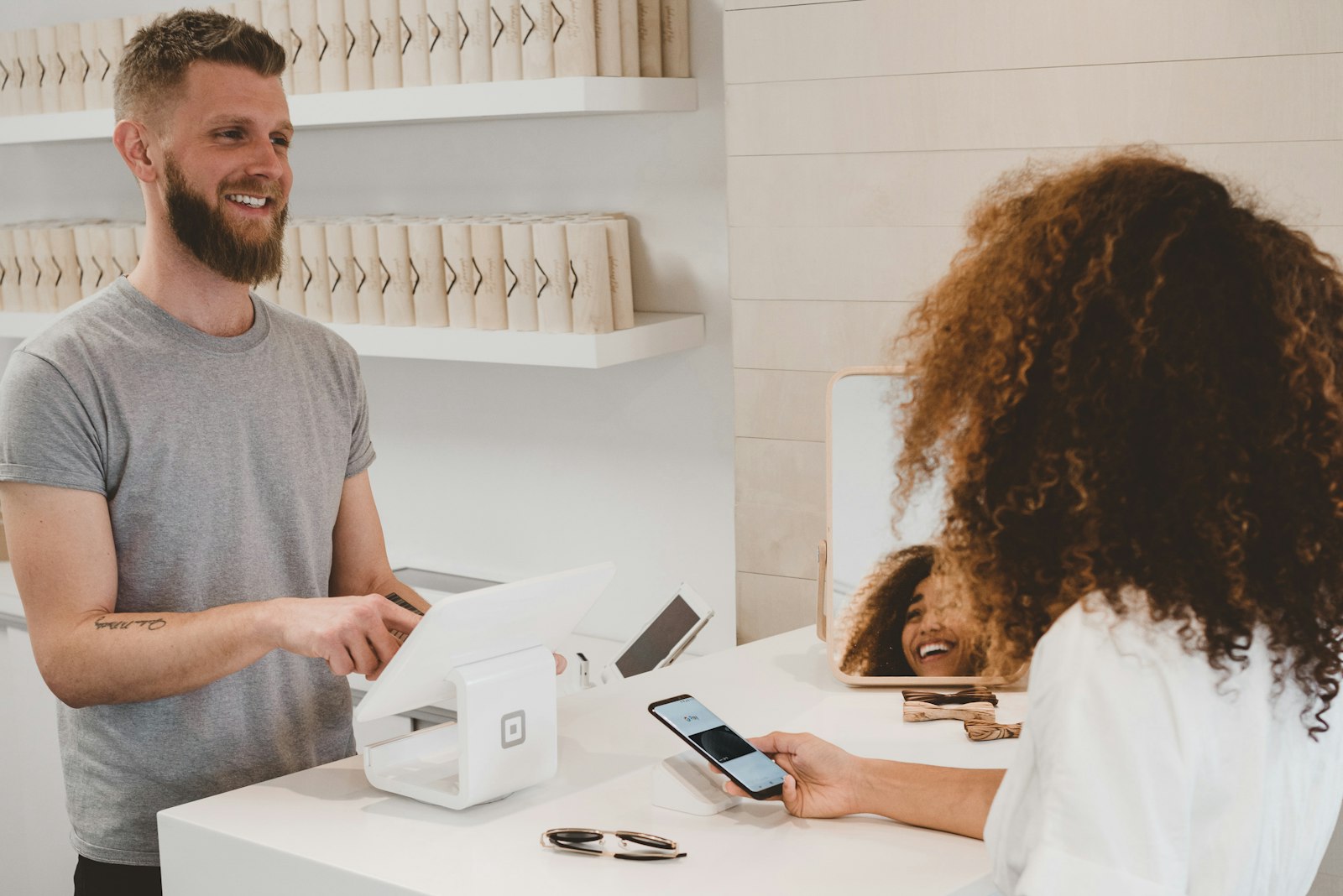
A clean Android-first app where users add money via UPI, recharge any operator, pay any bill, and earn cashback as wallet credit. KYC handled via Aadhaar e-KYC for higher wallet limits. PPI license through partnership in Phase 1, owned in Phase 2.
Retailer B2B portal
Kirana shops, mobile-repair counters and CSC operators sign up for a retailer panel. They prepay a float, earn 0.4–2% commission on every transaction, and settle daily. Targeted at sub-distributor networks who currently use Spice Money / PayNearby.
Cashback engine
Operator-funded cashback (telcos pay 1–3% to platforms during plan launches) plus BIDUA-funded promotional cashback in first 18 months for user acquisition. Cashback is wallet credit — it stays in the ecosystem.
Float + interchange revenue
Wallet balances earn interest as a regulated float (PPI rules). Bill-payment interchange via BBPS pays platforms 0.25–0.50% per transaction. Aggregated across millions of monthly transactions, this is the durable revenue line.
Cross-sell adjacencies
Once a user trusts the wallet, layer in micro-insurance, FASTag, gold savings, and credit on UPI. Each adjacency carries 5–15× the take rate of plain recharge — recharge is the loss-leader, adjacencies pay the rent.
Three compounding phases.
Setup
- BBPS sub-aggregator onboarding
- Direct telco API contracts (Jio, Airtel, Vi)
- Retailer pilot in 3 cities (~500 outlets)
- PPI partnership with sponsor bank
Distribution
- Retailer commissions on assisted recharge
- Operator-funded cashback recovery
- Bill-payment interchange via BBPS
- Float interest on wallet balances
Cross-sell
- FASTag, insurance, gold savings
- Credit on UPI / nano-loans for retailers
- White-label recharge SDK for other apps
- Co-branded telco campaigns
Patient cadence, deliberate steps.
-
Q3 2026Tech scoping, BBPS aggregator partner shortlist, PPI sponsor-bank conversations begin.
-
Q1 2027MVP build — wallet, UPI top-up, mobile + DTH + electricity recharge. Internal beta.
-
Q3 2027Closed pilot with 500 retailers across Noida, Lucknow and Patna. Settlement and commission engine live.
-
2028Public consumer app launch. BBPS biller coverage expands to 5,000+. First 100k MAU target.
-
2029–2030Expand to 25,000 retailers. Add FASTag, insurance, gold. Apply for owned PPI license.
-
2031–2032Profitability via adjacencies. Evaluate Bharat-stack credit products and SME bill-pay for kirana suppliers.
Who else is here — and why we're different.
- Built on BIDUA's own hosting (BIDUA Hosting) and networking stack (PersistIP) — lower infra costs than competitors renting AWS.
- Retailer-first UX — designed in Hindi, Tamil and Telugu from day one, not retrofitted.
- Transparent commission grid — every retailer sees the exact slab they earn, no hidden clawbacks.
- FinWault back-end for KYC, ledger, settlement — re-uses BIDUA's existing fintech primitives.
What can go wrong — and how we plan for it.
Thin margins on plain recharge
Mitigation: Treat recharge as a customer-acquisition channel. Monetise via float, BBPS interchange and adjacencies — never expect recharge alone to pay.
RBI / NPCI regulatory shifts
Mitigation: Operate via sponsor-bank PPI in Phase 1; pursue owned PPI license only after compliance maturity. Maintain weekly NPCI/BBPS liaison.
Retailer fraud and chargebacks
Mitigation: Prepaid float model — retailer cannot transact beyond loaded balance. Daily reconciliation. Tiered limits by KYC level and transaction history.
Cashback war from incumbents
Mitigation: Cap promotional cashback at 18 months. Compete on retailer economics and reliability, not consumer cashback.
Operator API downtime
Mitigation: Multi-aggregator routing — if one BBOU/aggregator fails, traffic falls back to another. SLA-tracked switching at the gateway layer.
Connected BIDUA divisions.
Every BIDUA bet feeds something else in the group. This one connects to:
 Live
Live
FinWault
Core fintech back-end — KYC, ledger, settlement and PPI compliance primitives.
finwault.com Live
Live
BIDUA Hosting
Low-cost cloud and bare-metal hosting for the high-TPS transaction infrastructure.
biduahosting.com Live
Live
PersistIP
Networking and IP stack underneath the gateway and aggregator routing layer.
ip.bidua.in
Questions partners and investors actually ask.
Is the platform live today?
No. This is an idea-stage project. We are scoping technology partners and a sponsor bank through 2026, with an MVP planned for Q1 2027.
Why compete with Paytm and PhonePe?
We are not chasing the urban consumer head-on. Our wedge is the retailer-assisted Tier-2/3/4 market where unit economics still favour a focused challenger with better commissions and cleaner UX.
Do you need an RBI license?
For wallets we will operate under a sponsor-bank PPI in Phase 1. BBPS sub-aggregator status is obtained via an existing BBPOU. Owned licenses are a Phase 2 ambition, post-scale.
How do retailers earn?
Retailers prepay a float, then earn 0.4–2% commission on every transaction routed through their ID — credited instantly to their panel and settled daily to bank.
What is the moat?
Distribution density and retailer trust. Once a kirana owner is settling daily through you reliably for 6 months, switching costs are very real.
How does this connect to FinWault?
FinWault provides the KYC, ledger and reconciliation layer. The recharge portal sits on top of it as a consumer-facing app — saving us 12–18 months of fintech back-end work.
What about UPI eating wallet usage?
UPI is the top-up rail, not the competition. Wallets persist for cashback, gift cards, sub-accounts and offline retailer use cases UPI doesn't serve well.
Partner with us on India's next recharge rail.
We are looking for a sponsor bank, a BBPS aggregator partner, and 50 founding retailers for the Noida pilot. Patient capital welcome — this is a 5-year build.