Ride-Hailing Business
The metros are saturated. The next billion rides are in Indore, Madurai, Bhubaneswar — and nobody is serving the driver well.

India's metros — Delhi, Mumbai, Bangalore, Hyderabad — are saturated, contested by Ola, Uber, Rapido and BluSmart. The interesting market is everywhere else: Indore, Madurai, Visakhapatnam, Lucknow, Bhopal, Coimbatore, Vijayawada, Bhubaneswar, Surat, Nashik. Cities with 1–4 million population, growing car-light middle classes, and almost no organised ride-hailing.
BIDUA's ride-hailing concept is a regional, driver-first, tier-2/3 city service. Lower commission (20–22% vs Ola/Uber's 25–30%), driver welfare programs including health insurance and child education support, and a clear path to EV fleet conversion by year three.
Concept is at idea stage. Numbers below are projections benchmarked against Ola, Uber, BluSmart and inDrive India. They are scenarios, not commitments.
The driver doesn't care about valuation rounds. He cares about whether he gets ₹2,000 home tonight or ₹600. Build the company around that single number, and the rest of the business model is downstream.
The opportunity, on its own terms.
Tier-2/3 organised ride supply is <5%.
Most rides in these cities are still auto-rickshaw or local taxi WhatsApp groups. Even Ola/Uber coverage is patchy outside the city centre.
Driver attrition at Ola/Uber is at decade-high.
Higher take rate, surge cuts, EV mandates and weak grievance redress have pushed drivers to seek alternatives — inDrive crossed 100M downloads in India in 2024 on exactly this gap.
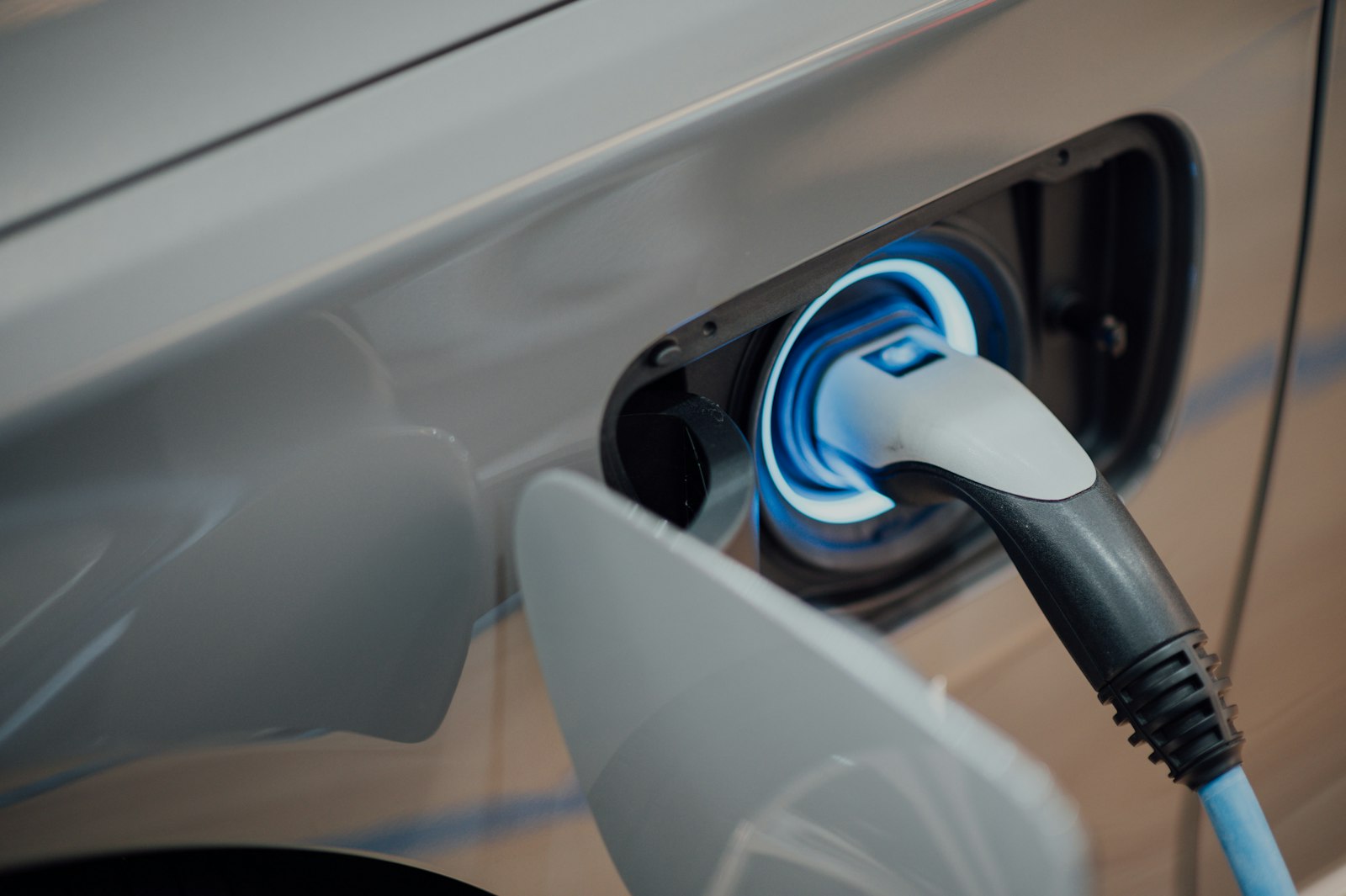
EV TCO crossed parity in 2024.
A Tata Tigor EV or MG ZS EV in a 6-hour daily fleet shift now beats a comparable petrol car on total cost. The economics finally allow an EV-first launch.
State EV policies favour fleet aggregators.
Subsidies, road-tax waivers and dedicated taxi permits are available across Maharashtra, Tamil Nadu, Karnataka, Delhi, Gujarat. A new aggregator can launch on a structurally lower cost base.
Sized in three rings.
- Take rate 20–22% (vs Ola/Uber 25–30%) — driver-first positioning is the differentiator.
- EV fleet share targeted at 60% by 2030, reducing per-km cost by 35–40%.
- B2B corporate, school and inter-city packages add 18–25% of revenue mix.
- Driver lifetime value materially higher than competitors due to welfare programs and lower attrition.
How it works, end to end.
Driver-first take rate
20–22% commission cap, transparent fare break-down inside the driver app, surge revenue shared 70/30 with the driver (vs typical 50/50). Zero hidden deductions.
City-by-city density
Launch with 800–1,200 driver-partners per city before turning on consumer marketing. Density first, demand later. No city onboarded until ETA < 6 minutes is achievable in core zones.
Driver welfare program
Free health insurance (cover ₹3 lakh / yr), child education stipend on 2-year tenure, EMI-supported EV ownership pathway via FinWault, in-network discounts at BIDUA Idea 104 service centres.
Fleet ownership model
Initial launch with driver-owned ICE vehicles. Phase 2 introduces leased EV fleet — driver pays a daily lease, BIDUA owns the asset, recharges at our partner charging hubs. EV financing via FinWault.
Adjacent revenue
Corporate ride contracts (employee transport), school transport pilots, intercity packages, and parcel delivery during off-peak hours — using the same driver base.
Three compounding phases.
Density
- Per-ride commission (20–22%)
- Cancellation & surge fees
- Driver onboarding fee (refundable)
- B2B corporate ride pilots
Fleet & EV
- EV lease fees from drivers
- Charging hub revenue
- Insurance commission on driver welfare bundles
- Intercity & airport packages
Platform
- Corporate transport contracts
- School & institutional transport
- Parcel & micro-logistics on idle fleet
- Data products (mobility heatmaps for city planning)
Patient cadence, deliberate steps.
-
Q3 2026City prioritisation study complete. Driver app and rider app MVP scoped.
-
Q2 2027Soft launch in two tier-2 cities (Indore, Lucknow targeted). 1,500 driver-partners onboarded.
-
Q4 2027Two-city operations stable. Driver welfare program live. B2B corporate pilot signed.
-
2028Expansion to 6 cities. First EV fleet pilot (200 vehicles). Charging hub partnerships signed.
-
2029–203012 cities live. 25,000 active drivers. EV fleet share crosses 30%.
-
2031–2032Intercity, school transport and corporate verticals scaled. EV fleet share target 60%.
Who else is here — and why we're different.
- 20–22% take rate is structurally lower than metro incumbents.
- Driver welfare program (health, education, EV financing) is operational from launch, not a press release.
- Tier-2/3 first — fewer competitors, less surge pressure, lower CAC.
- Native integration with BIDUA Idea 104 service network for driver vehicle maintenance.
What can go wrong — and how we plan for it.
Capital-intensive city launches
Mitigation: City-by-city ROI gates. No new city without 90% utilisation in the previous one. Density discipline over geographic spread.
Driver supply churn
Mitigation: Welfare program, transparent earnings, low take rate, BIDUA service network discounts — designed specifically to retain drivers, not just acquire them.
EV charging infrastructure gaps
Mitigation: Hub-based charging with partner CPOs (Tata Power, Statiq, ChargeZone). Vehicle selection biased to 250km+ range EVs to absorb shortfall.
Regulatory friction with state RTOs
Mitigation: City-by-city permit compliance, MoU with state transport departments, alignment with state EV taxi policies.
Surge pricing backlash and rider trust
Mitigation: Surge cap policy, transparent surge explanation in-app, rider grievance with 24-hour response SLA.
Connected BIDUA divisions.
Every BIDUA bet feeds something else in the group. This one connects to:
 Live
Live
FinWault
Driver EV financing, welfare insurance products, payout settlement and earnings dashboard.
finwault.com Live
Live
BIDUA Hosting
Hosts the rider app, driver app, dispatch backend and real-time pricing engine.
biduahosting.com Live
Live
PersistIP
Network and IP infrastructure for the dispatch backbone and ride-tracking telemetry.
ip.bidua.in
Questions partners and investors actually ask.
Which cities will you launch in first?
Indore and Lucknow are the working pilot candidates, with Bhopal, Coimbatore and Visakhapatnam in the next wave. Final selection depends on driver supply, regulatory clarity and EV infrastructure.
How is your driver pay better than Ola/Uber?
Lower take rate (20–22% vs 25–30%), 70/30 surge share (vs typical 50/50), transparent earnings breakdown, plus the welfare benefits. On a 12-hour shift the average driver should net 15–25% more take-home.
Will it be EV-only?
No, EV-first from year 3. Initial launch uses driver-owned ICE vehicles. EV fleet share target is 60% by 2030.
What welfare benefits do drivers get?
Health insurance up to ₹3 lakh, child education stipend on tenure, EV ownership financing, free service at BIDUA partner garages, weekly earnings counsel for tax/savings planning.
How will you compete with Ola/Uber?
We don't, in the metros. We launch where they are weak — tier-2/3 cities — and recruit drivers they have lost. The strategy is geographic and demographic, not head-on.
Is this idea stage or operational?
Idea stage. City study and tech scoping are underway. First pilot targeted Q2 2027.
Are corporate ride contracts available?
Yes, B2B corporate transport and school transport pilots are in the 2027 plan.
How will the rider app be different?
Transparent fares (no inflated surge), in-trip rider safety with live family tracking, support response within 24 hours, and a clear driver welfare badge so riders know their fare supports a better deal for drivers.
Drivers, fleet partners, city operators — we want to hear from you.
We are building a ride-hailing service for the cities the metro-first players ignored. If you operate a fleet, run a driver union or want to lead a city launch, talk to us.