Rubber Bricks from Tyre Scrap
India throws away 275 million tyres a year — we want to turn them into the bricks that build the next India.
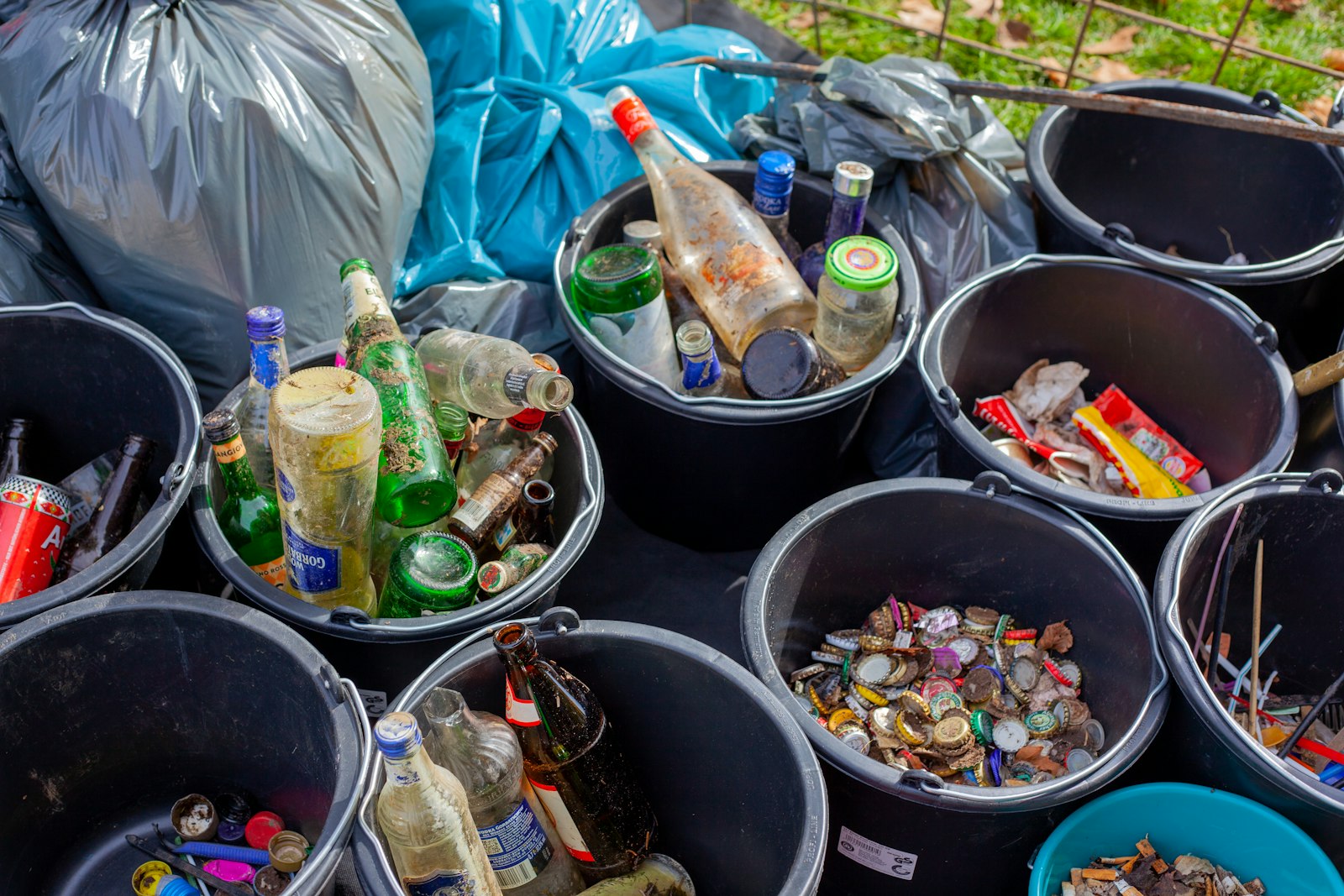
India generates roughly 275 million end-of-life tyres a year — and almost two-thirds of them end up in informal pyrolysis units, illegal dumping yards or open burns. The carbon footprint is catastrophic, the soil contamination is permanent, and the rubber itself — one of the most engineered materials humanity produces — gets destroyed instead of redeployed.
Rubber bricks turn that waste stream upside down. By granulating scrap tyre rubber, binding it with cementitious or polymer matrices, and pressing it into modular masonry units, you get a building block that is 40% lighter than fired clay, three times more thermally insulating, and resilient enough to absorb seismic energy that would crack a conventional wall.
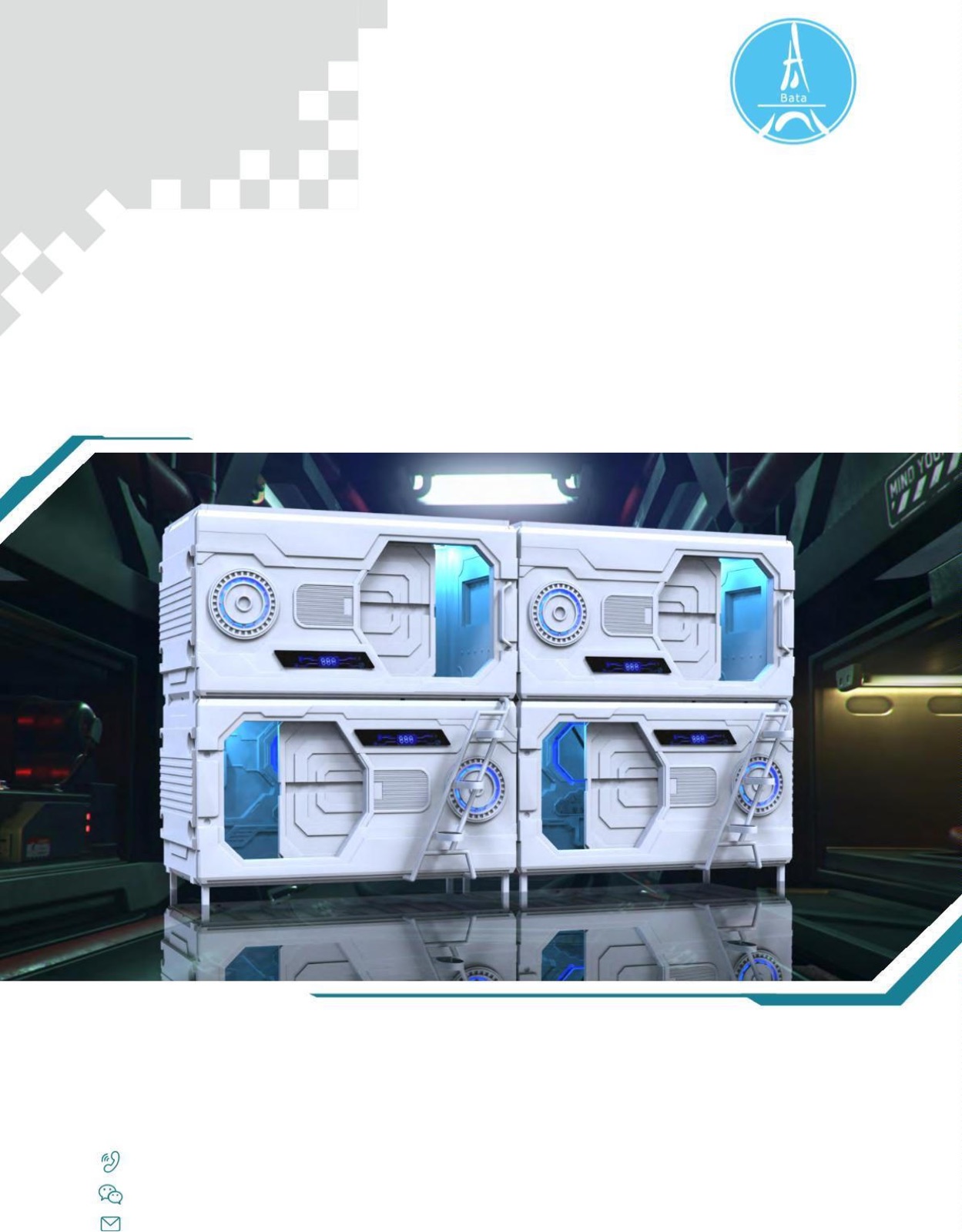
BIDUA Industries is exploring this as a vertically integrated play: feedstock from our planned tyre recycling division, manufacturing at a dedicated brick plant in NCR, and downstream demand pulled directly from BIDUA Pods construction and partner real estate developers building affordable housing in earthquake zones.
Every Indian city has a mountain of black rubber sitting on its edge, leaking carbon into the soil. The question is not whether we recycle it — it is who gets to the value first.
The opportunity, on its own terms.
India's tyre waste problem is now a regulated business opportunity.
The 2022 Extended Producer Responsibility (EPR) regime forces tyre manufacturers to certify recycling — creating a structured buyer for compliant downstream processors like a BIDUA brick plant.
Earthquake codes are tightening.
BIS revisions and NDMA guidelines are pushing developers in Zones IV and V (Delhi-NCR, Himalayan belt, Northeast) toward lighter, more ductile masonry — exactly where rubber bricks have a structural edge.
Affordable housing needs a cheaper, faster brick.
PMAY-U 2.0 targets 1 crore additional urban homes by 2029. Conventional fired bricks are getting banned in NCR for air-quality reasons. Rubber bricks slot directly into that vacuum.
Cross-pollination with BIDUA Pods.
Our prefab pod division already does modular construction. A captive rubber-brick supply gives Pods a thermally superior, lightweight wall system competitors cannot match on cost.
Sized in three rings.
- Fired clay brick ban expanded across NCR districts — developers actively sourcing alternatives.
- Affordable housing under PMAY-U 2.0: 1 crore homes targeted by 2029.
- EPR-compliant rubber recycling certificates trade at a structural premium.
- Earthquake-resilient construction mandated in Zones IV–V; potential government tenders.
How it works, end to end.

Feedstock pipeline
Scrap tyre rubber crumb sourced from our planned tyre recycling plant (Idea #101) and partner collectors across NCR, Punjab and Haryana. Target intake of 8,000–10,000 tonnes per year at full scale.
Manufacturing line
Hydraulic press lines with cementitious / polymer binder systems. Modular brick sizes compatible with IS standards. Plant in NCR industrial belt — close to feedstock and demand.
Channel sales
Direct B2B sales to affordable-housing developers, government PMAY contractors, and seismic-retrofit projects. Captive supply to BIDUA Pods for pod foundations and partition walls.
Certification & compliance
BIS certification, IS 1077 conformance, fire-rating tests, EPR credits. The compliance moat is half the business — most informal players cannot clear it.
Carbon revenue layer
Each tonne of recycled rubber avoids ~3 tCO₂ vs. fired clay brick. Verified carbon credits add a secondary revenue stream as Indian voluntary carbon markets mature.
Three compounding phases.
Pilot & validation
- Pilot brick sales to BIDUA Pods (captive)
- Sample orders to 3–5 NCR developers
- Government R&D grant applications
- EPR-credit aggregation contracts
Scale-up
- B2B brick sales to PMAY contractors
- Premium seismic-grade brick line
- Interlocking modular wall systems
- Carbon-credit issuance
Vertical integration
- Pan-India distribution to Tier-2 cities
- Composite rubber-floor tiles & pavers
- Sound-insulating studio brick variants
- Licensing of brick spec to JV partners
Patient cadence, deliberate steps.
-
Q2 2026Feasibility study — binder chemistry trials, IS-1077 compliance pathway, NCR feedstock survey.
-
Q4 2026Lab-scale prototype bricks tested for compressive strength, fire rating and thermal conductivity.
-
Q3 2027Pilot manufacturing line commissioned in NCR — target 50,000 bricks / month.
-
Q2 2028BIS certification cleared. First commercial order with a PMAY-U developer.
-
2029–2030Scale to 5 M bricks / yr. Captive integration with BIDUA Pods construction.
-
203250 M bricks / yr target capacity. Tier-2 distribution and second plant evaluation.
Who else is here — and why we're different.
- Captive feedstock from our own tyre recycling division — insulated from crumb-rubber price spikes.
- Co-developed with BIDUA Pods — a guaranteed Day-1 institutional buyer.
- Compliance-first design: BIS, EPR and IS conformance built into the spec from the start.
- Carbon-credit overlay turns the green story into a cash flow, not just marketing.
What can go wrong — and how we plan for it.
Binder chemistry not meeting IS-1077 compressive strength
Mitigation: Phased lab validation with IIT-Delhi / CBRI partnership before any commercial capex.
Feedstock cost volatility
Mitigation: Vertical integration with our tyre recycling plant locks in 60%+ of crumb supply at internal transfer cost.
Slow developer adoption
Mitigation: Anchor demand from BIDUA Pods + co-funded pilot blocks with PMAY partners before scaling capex.
Fire-rating perception issues with rubber
Mitigation: Polymer-cement binder systems engineered to Class-A fire rating; third-party certification published openly.
Regulatory shifts in EPR credit pricing
Mitigation: Multiple revenue legs — bricks themselves are profitable without the credit, which is treated as upside.
Connected BIDUA divisions.
Every BIDUA bet feeds something else in the group. This one connects to:
Questions partners and investors actually ask.
Are rubber bricks legal for load-bearing walls in India?
Once BIS-certified under IS 1077 with appropriate compressive-strength grading, they are. Our pilot programme is designed around that certification pathway.
How do they compare on cost to red clay bricks?
At target scale we expect ₹8–12 per brick, broadly competitive with fired clay in NCR — and meaningfully cheaper once fired-brick bans expand.
Are they fire-safe?
With the right polymer-cement binder system, yes — we are targeting Class-A fire rating. Pure rubber wool would not pass, which is exactly why binder chemistry is the moat.
What about smell or off-gassing?
Properly cured rubber-cement composites are inert. Lab trials must confirm zero VOC emission before any commercial sale — non-negotiable.
Is this just for low-cost housing?
No. The thermal and acoustic properties make rubber bricks attractive for studios, hospitality (Naploo-adjacent) and industrial soundproofing too.
How does this connect to BIDUA's other businesses?
Tyre recycling feeds the crumb. BIDUA Pods consumes the bricks. The vertical chain de-risks both sides.
What is the investment horizon?
This is an idea-stage venture. We are budgeting 18–24 months to a validated pilot and 4–5 years to commercial scale.
How big could this get?
If validated, capacity of 50 M bricks per year by 2030 is a credible target — still under 1% of NCR masonry demand.
We are looking for early pilot partners.
If you are a real-estate developer, PMAY contractor or material-science researcher who wants to co-develop this with us in 2026, talk to the BIDUA team.