Safety Hazard Survey
A professional safety audit service for Indian workplaces and homes — fire, electrical and structural, with compliance reporting built in.

India loses 27,027 lives to fire incidents every year, according to NCRB 2022. The Uphaar (1997), Kumbakonam (2004), AMRI Kolkata (2011), Surat coaching centre (2019) and Mundka factory (2022) tragedies all shared a common thread — safety audits that were either missing, outdated, or signed off without an actual site inspection.
Regulatory pressure is now catching up. The National Building Code 2016 mandates third-party fire safety audits for all high-rises, factories and assembly buildings. Maharashtra, Gujarat, Karnataka and Delhi have moved to half-yearly mandatory audits for commercial buildings. Insurance companies increasingly insist on independent audit reports before underwriting.
Safety Hazard Survey is a proposed BIDUA service line — a professional, certifier-grade audit business covering fire, electrical and structural inspections for factories, offices, schools, hospitals, residential societies and event venues across India. The category is large, fragmented and dominated by either over-priced multinationals (BV, TUV, DNV) or under-qualified local consultants. There is a credible middle missing.
In India a building catches fire, an electrical short kills a worker, a slab collapses on a wedding hall — and every post-mortem finds the same line: the audit was never done, or the auditor was never qualified.
The opportunity, on its own terms.
Regulatory tailwind is intensifying.
State fire departments in Maharashtra, Karnataka, Gujarat and Delhi have mandated periodic third-party audits. The Factories Act amendments expected in 2026 will widen the scope to cover smaller industrial units.
Insurance underwriters are forcing the issue.
General insurers — ICICI Lombard, Tata AIG, Bajaj Allianz — now require independent safety audit reports before underwriting commercial property and liability cover above ₹5 crore.
The market is fragmented and under-served.
Multinational inspection firms charge ₹3–8 L per audit and chase only Fortune-500 clients. Local consultants charge ₹15–40 k but rarely have NABL-certified instruments or structural engineering credentials. The mid-market is wide open.
Cross-portfolio synergy.
BIDUA Pods sells modular structures into 200+ corporate clients per year. Naploo operates hospitality properties. Both need recurring audits. Internal demand alone underwrites the first year of operations.
Sized in three rings.
- Factories Act covers ~8.6 lakh registered factories — all require periodic safety review.
- NBC 2016 mandates fire audits for buildings above 15 m / 500 sq m assembly floor area.
- Hospitals: 70,000+ registered facilities, all under NABH / state fire NOC review.
- Insurance-driven audits: estimated ₹600 cr opportunity by 2028 (FICCI 2024 report).
How it works, end to end.

Audit packages by site type
Standardised SKUs — factory audit (₹35–80 k), commercial office (₹20–45 k), school / hospital (₹40–90 k), residential society (₹15–25 k), event venue spot-audit (₹8–15 k). Transparent pricing on the website, no haggling.
In-house certified inspectors
Full-time inspectors with NEBOSH IGC, IOSH, IIT-certified structural engineers and licensed electrical safety auditors. NABL-traceable instruments for thermography, insulation resistance, earth-pit testing.
Digital report platform
Every audit delivered as a PDF report + an interactive web dashboard with geo-tagged photos, thermal images, compliance gaps and an action plan with remediation cost estimates.
Compliance subscription
Annual retainers for recurring clients — quarterly walkthroughs, regulatory update alerts, fire-drill facilitation, OSHA / Factories Act paperwork support. Sticky high-margin revenue.
Remediation marketplace
Once gaps are identified, clients can purchase remediation directly through BIDUA — fire extinguishers, smoke detectors, electrical upgrades — sourced from pre-vetted vendors at negotiated rates. Commission revenue without inventory risk.
Three compounding phases.
Build credibility
- Internal BIDUA portfolio audits
- Factory & warehouse audits (₹35–80k each)
- Residential society audits
- Insurance underwriter referrals
Recurring revenue
- Annual compliance retainers
- Hospital & school audit contracts
- Event-venue spot audits
- Remediation marketplace commission
Geographic + product expansion
- Multi-city service network
- IoT-based continuous monitoring subscriptions
- Government PSU empanelment
- Training & certification courses
Patient cadence, deliberate steps.
-
Q2 2027Concept validation — hire founding safety engineer, secure ISO 17020 inspection-body certification roadmap.
-
Q4 2027First 50 audits delivered internally across BIDUA Pods customer sites and Naploo properties — process and report templates locked.
-
Q2 2028Public commercial launch in Delhi-NCR. Insurance underwriter empanelment with at least two general insurers.
-
Q4 2028Mumbai and Bengaluru offices opened. NABL accreditation filed for in-house lab.
-
2029–2030Expansion to 5 cities, 50+ certified inspectors. Government empanelment with state fire departments.
-
2031–2032IoT-based continuous safety monitoring rolled out — sensors + dashboard subscription tier.
Who else is here — and why we're different.
- ISO 17020-aligned methodology with multinational rigour at mid-market pricing.
- Interactive digital dashboard — clients see thermal images, location pins, fixes ranked by risk × cost.
- Bundled remediation marketplace — single window from audit to fix to re-inspection.
- Future IoT layer using PersistIP's networking stack and BIDUA Hosting's cloud — continuous monitoring instead of annual snapshots.
What can go wrong — and how we plan for it.
Auditor liability and reputation
Mitigation: Professional indemnity insurance from day one. Two-person audit teams with cross-check protocol. No audit signed without site inspection.
Talent scarcity — certified safety engineers
Mitigation: In-house training academy partnered with NEBOSH / IOSH. Retention bonuses for retained inspectors. Career-track structure to compete with corporates.
Regulatory inconsistency across states
Mitigation: State-by-state legal mapping maintained as a living document. Local empanelment in each state of operation before scaling.
Race to the bottom on price
Mitigation: Differentiate on report quality, dashboard, insurance-acceptance and turnaround time — not on price. Refuse undercut tenders.
Conflict of interest with remediation marketplace
Mitigation: Strict separation of audit fees and remediation commission. Audit findings published before any commercial discussion. Third-party review available on demand.
Connected BIDUA divisions.
Every BIDUA bet feeds something else in the group. This one connects to:
 Live
Live
BIDUA Pods
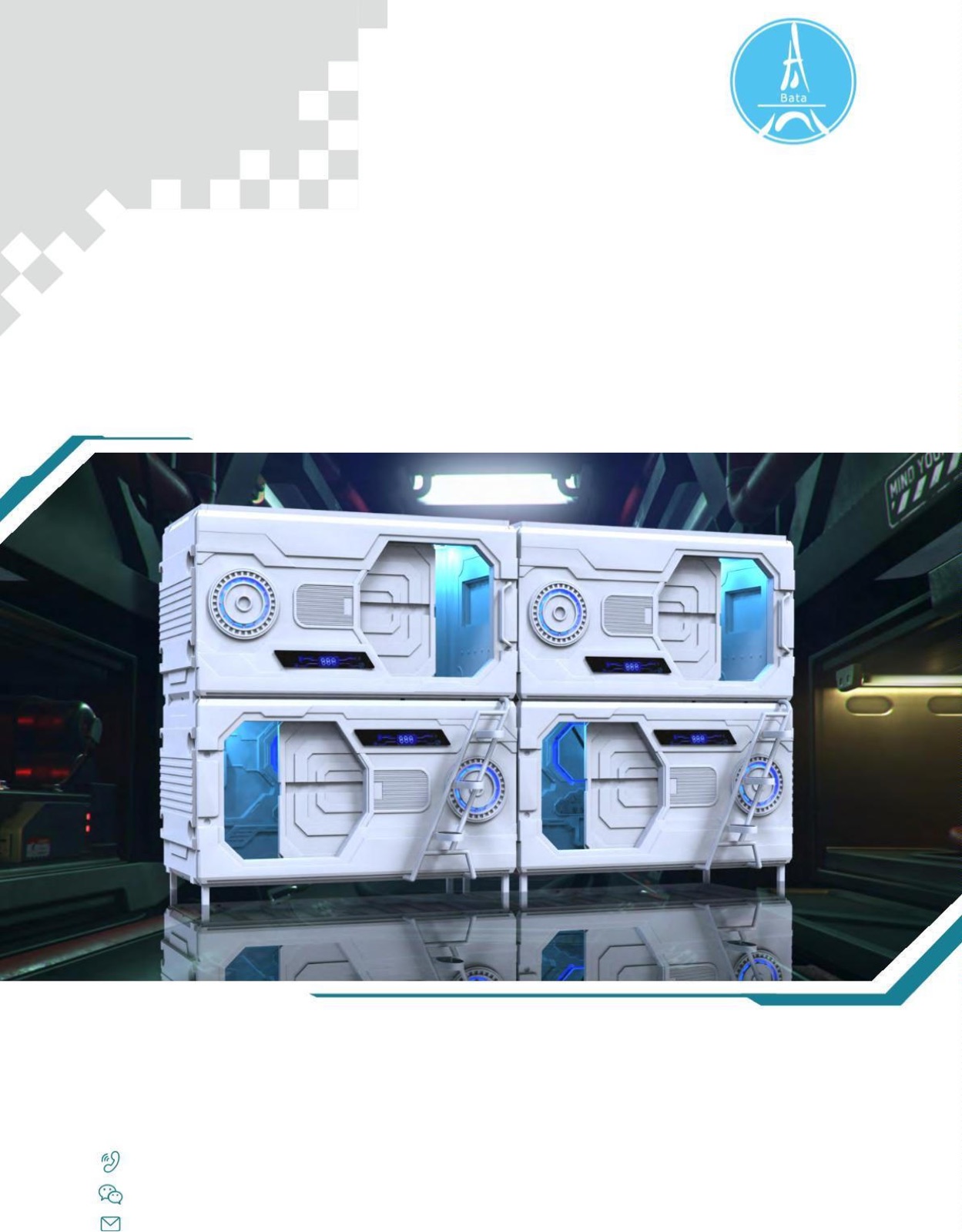
Internal demand — every modular pod installation needs a fire and electrical sign-off; in-house audit lowers cost and improves turnaround.
biduapods.com Live
Live
Naploo™ Smart Pod Hotels
Hospitality properties require periodic fire safety audits for state NOCs and insurance — natural first customer base.
naploo.com Live
Live
BIDUA Hosting
Cloud-hosted client dashboard and report storage runs on BIDUA Hosting infrastructure.
biduahosting.com Live
Live
PersistIP
IoT and networking stack for the future continuous-monitoring tier — sensors over PersistIP.
ip.bidua.in
Questions partners and investors actually ask.
Is this a regulated activity in India?
Yes — fire safety audits are governed by state fire departments and the National Building Code 2016. Electrical safety audits follow CEA Regulations 2010. Structural audits typically need a licensed structural engineer signoff. BIDUA will operate under ISO 17020 inspection-body norms.
What does a typical audit include?
Site walkthrough, document review (NOCs, certifications, drawings), thermal imaging of electrical panels, earth-pit and insulation tests, fire extinguisher and detection check, evacuation drill review, structural visual inspection, and a written report with prioritised remediation.
How long does it take?
A factory audit takes 1–3 days on site plus 5–7 working days for the report. Residential society audits are typically 1 day + 3 days for the report.
Are your reports accepted by insurance companies?
We are pursuing empanelment with general insurers from day one. Reports will be structured to meet underwriter expectations from launch.
Who actually does the audit?
Full-time BIDUA inspectors — NEBOSH / IOSH-certified safety engineers, licensed electrical safety auditors, and IIT or NIT-trained structural engineers. No subcontracting on the inspection itself.
Will you also help us fix the issues you find?
Yes — through a separate remediation marketplace. Audit fees and remediation are commercially separated. You are free to engage any vendor of your choice.
How is this different from the local fire consultant we already use?
Most local consultants sign off on documentation without instruments-on-site testing. We bring thermography, insulation resistance, structural inspection and a digital dashboard — and we carry professional indemnity insurance, so our signature has standing.
How much does it cost?
Standardised pricing on our website. Factory audits ₹35–80 k, commercial office ₹20–45 k, residential society ₹15–25 k, event venue ₹8–15 k. No hidden fees.
Get a sample safety audit on your premises.
We are inviting 25 early customers — factories, schools, residential societies — for a discounted pilot audit. Real report, real remediation plan, real outcome.