Small Multiplex Cinemas in Towns
Bring the multiplex experience to the 90% of India that still watches movies in a one-screen theatre.
India sells more cinema tickets than any country on earth — roughly 100 crore admissions a year — yet the multiplex revolution stopped at the edges of the top 50 cities. PVR-INOX, Cinepolis and Miraj together operate around 1,800 screens, almost all of them concentrated in metros and Tier-1 cities. The remaining 9,000+ towns of India watch films in ageing single-screens, makeshift halls, or not at all.
BIDUA Industries believes the next decade of Indian cinema growth will not come from another premium screen in Mumbai. It will come from bringing a clean, air-conditioned, 2–3 screen multiplex experience — Dolby sound, recliner option, hot popcorn, card payments — into Tier-3 and Tier-4 towns at a ticket price the local market can actually pay.
This is not a content business. Content is supplied by the studios. This is a real-estate, operations and standardisation business — the same playbook BIDUA has been building across Naploo (standardised hospitality) and BIDUA Pods (manufactured-at-scale interiors). A small-town multiplex is fundamentally a hospitality format with a screen at the front.
India's multiplex story stopped at the metros. Eighty crore Indians still buy tickets at single-screens with broken seats, or simply stop going to the cinema. That is not a content problem — it is an infrastructure gap.
The opportunity, on its own terms.

Single-screens are dying faster than multiplexes are arriving.
India has lost more than 2,000 single-screen cinemas in the last decade. The audience did not disappear — the venue did. Towns of 1–3 lakh population are left with no functioning theatre at all.
Construction costs have collapsed.
Pre-fab steel buildings, LED projectors and entry-level Dolby Atmos packages have brought capex per screen from ₹3 cr to under ₹1 cr. A 2-screen Tier-3 multiplex is now a ₹2.5–4 cr project, not a ₹15 cr one.
Studio economics favour wider release.
OTT has not killed cinema — it has killed mediocre cinema. Big Hindi, Telugu, Tamil and Kannada films now release on 4,500+ screens day one. Studios actively want more Tier-3 screens to amortise marketing spend.
Real estate is cheap and willing.
Tier-3 mall developers, kalyana mandapam owners and standalone plot holders are openly looking for anchor tenants. Lease rates in towns like Hassan, Sambhal, Jhansi or Karimnagar are 1/10th of metro malls.
Sized in three rings.
- India has ~9 screens per million people; the US has ~125. Even getting to 25 implies a ~3× build-out.
- F&B contributes 30–35% of multiplex revenue at margins above 70% — the real profit pool sits in popcorn, not tickets.
- Advertising (on-screen + off-screen) adds 8–12% of revenue and scales with footfall, not ticket price.
- Property values appreciate alongside cinema-led footfall — anchor tenancy creates upside even before P&L.
How it works, end to end.
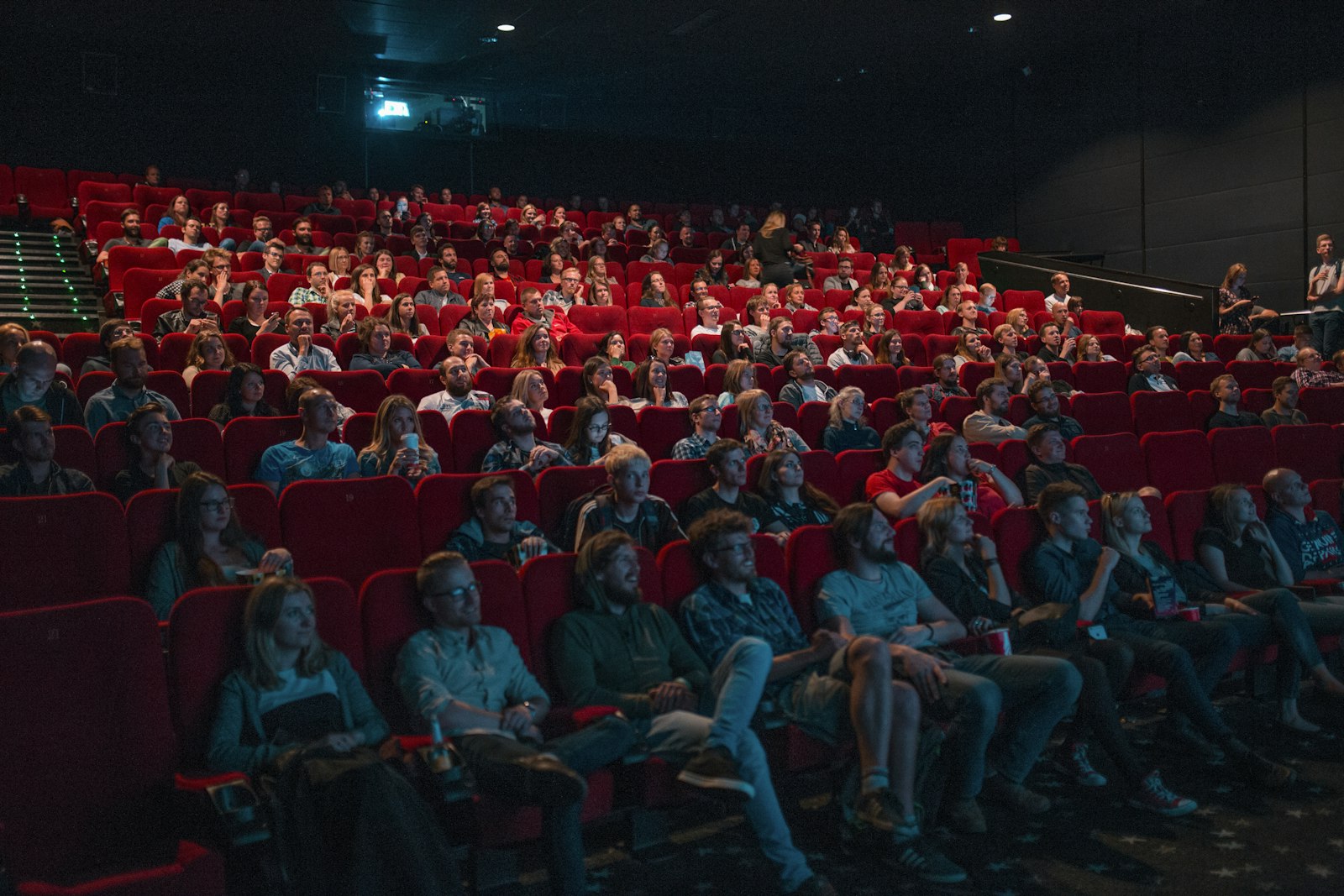
Standardised 2-3 screen format
A single BIDUA Cinema template — 180 + 120 + 80 seats, identical projection package, identical concession layout, identical paint and signage. Built like a hotel chain, not bespoke architecture. Lower capex, faster build, predictable ops.
Asset-light real estate
BIDUA does not buy the land. We sign 12–15 year leases with a 3-year exit clause on bottom screens. The capex sits in fit-out and equipment, which is portable and depreciable.
Ticket + F&B + ads
Three-pillar revenue: tickets (~55%), food and beverage (~32%), on-screen and in-lobby advertising (~13%). F&B carries the gross margin; tickets cover the rent.
Local partnership franchise
Phase 2 onwards, BIDUA franchises the format to local entrepreneurs in towns where we cannot operate directly. They put up the capex, we license the brand, supply chain, content contracts and SOPs for a 12–15% royalty.
Vertical hooks into BIDUA
Recliner seating and acoustic panels sourced from BIDUA Pods manufacturing. Booking website and digital signage hosted on BIDUA Hosting. POS and float management eventually on FinWault rails.
Three compounding phases.
Pilot
- Pilot site ticket revenue
- F&B sales (popcorn, beverages, snacks)
- On-screen advertising slots
- Private show / corporate bookings
Cluster build-out
- Multi-site ticket + F&B revenue
- Regional advertising packages
- Birthday / event hall rentals
- Studio share of opening-weekend collections
Franchise & platform
- Franchise royalty (12–15% of revenue)
- Centralised F&B supply margin
- Branded merchandise & loyalty programme
- Property co-investment exits
Patient cadence, deliberate steps.
-
Q2 2027Format design finalised — architecture, equipment spec, F&B menu, brand kit.
-
Q4 2027First pilot site signed in a Karnataka or UP Tier-3 town (target population 1.5–3 lakh).
-
Q3 2028Pilot opens. 12-month run to validate unit economics.
-
2029Sites 2–5 across 2 states. SOP playbook and centralised supply chain locked.
-
2030Franchise programme launches. Target 10 owned + 10 franchised by year end.
-
203220 properties operational. Evaluate exit options — strategic sale, REIT, or hold.
Who else is here — and why we're different.
- Built for a ₹100 ticket price-point, not retrofitted from a ₹300 one.
- Standardised modular fit-out — opens 2× faster than custom multiplex builds.
- Vertically integrated furniture and panels via BIDUA Pods reduces fit-out cost by ~20%.
- Franchise-ready playbook from day one — built to be replicated, not to be a hero project.
What can go wrong — and how we plan for it.
OTT cannibalisation
Mitigation: Tier-3 audiences treat cinema as a family outing, not just film consumption. F&B and recliner format compete on experience, not content. Hold windows for theatrical releases remain enforced by studios.
Property mis-selection
Mitigation: Strict catchment study — 3 lakh population within 15 km, footfall data from anchor stores, road connectivity audit. We will walk away from 8 of every 10 sites we evaluate.
Piracy & low-cost cable
Mitigation: Government cam-cording laws have tightened. Focus on opening-weekend windows where pirated copies are not yet circulating. Premium F&B experience cannot be pirated.
GST & entertainment tax volatility
Mitigation: Format is profitable at 28% GST on premium tickets — the sweet spot is the sub-₹100 ticket which sits at 18%. Engage with state policy on local rebates for Tier-3 cinema.
Skilled manpower scarcity in towns
Mitigation: Run a centralised 4-week training academy at the pilot site. Replicate hospitality SOPs from Naploo. Manager-on-shift model proven at scale.
Connected BIDUA divisions.
Every BIDUA bet feeds something else in the group. This one connects to:
 Live
Live
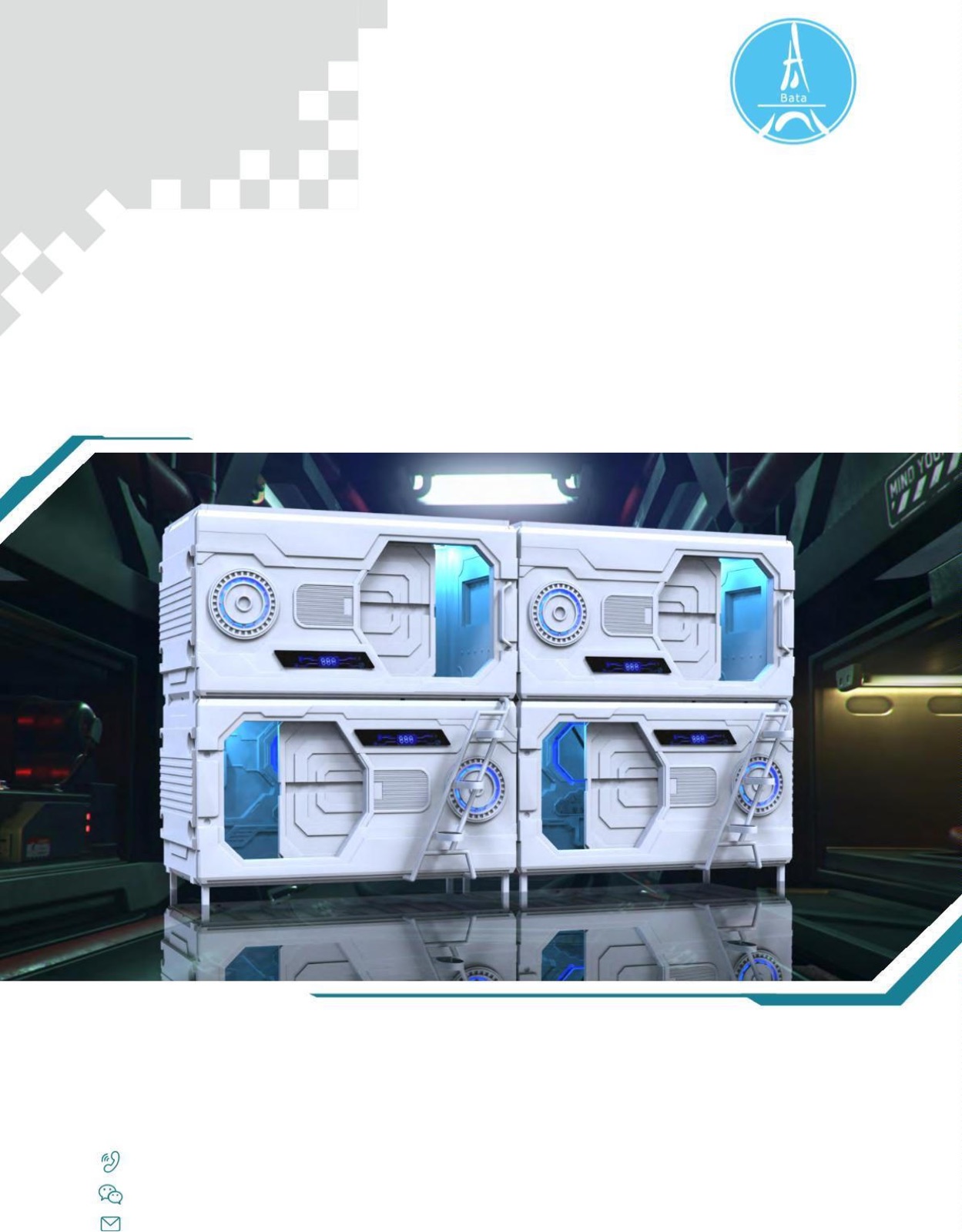
BIDUA Pods
Modular auditorium seating, acoustic panels and partition systems from the Pods factory.
biduapods.com Live
Live
BIDUA Hosting
Booking site, digital signage CMS and POS hosting for the cinema chain.
biduahosting.com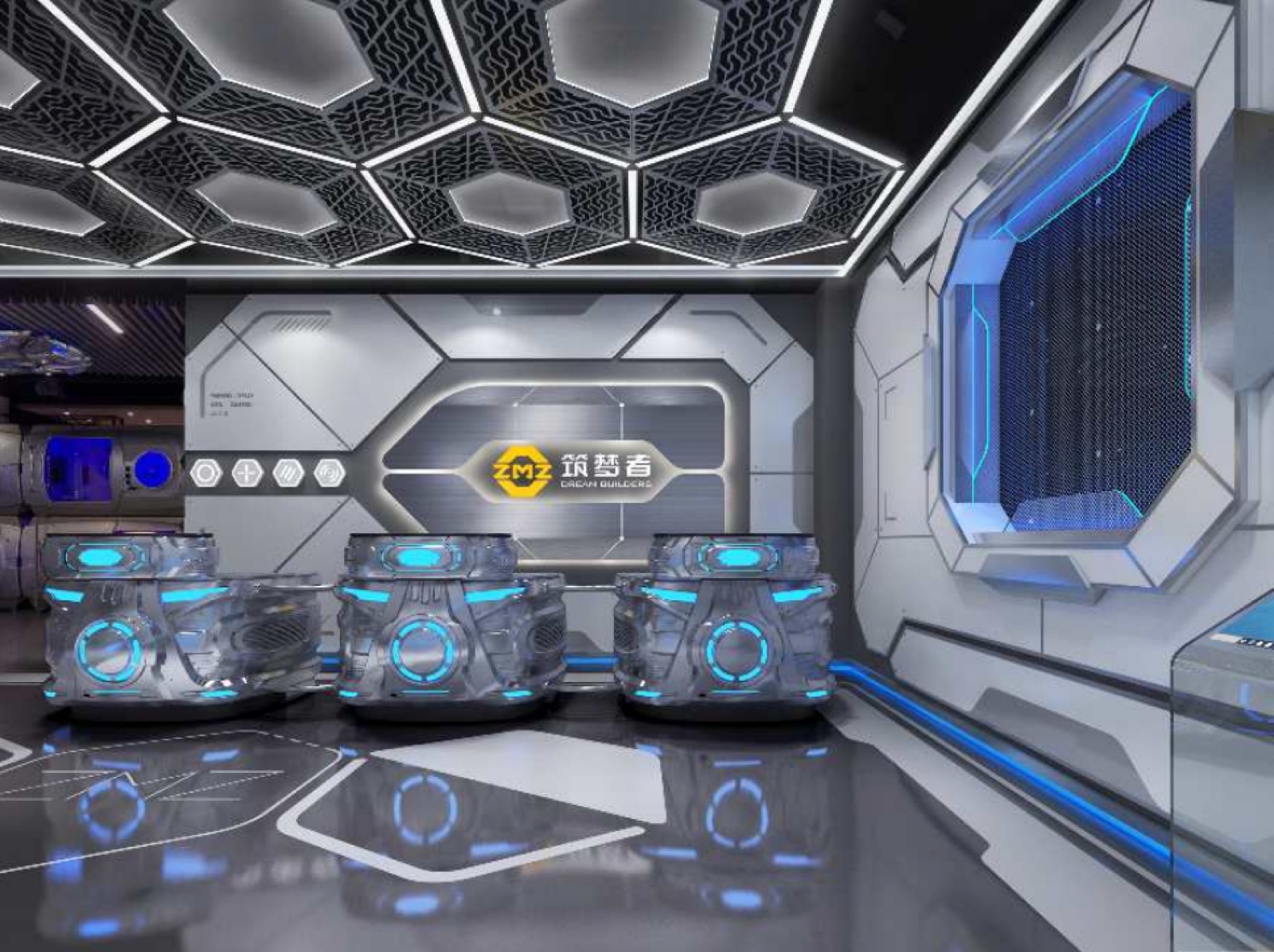 Live
Live
Naploo™ Smart Pod Hotels
Hospitality SOPs, training academy and shift-management playbook transfer directly.
naploo.com
Questions partners and investors actually ask.
Why won't PVR-INOX simply enter these towns?
Their cost structure assumes a ₹250–400 average ticket price and mall-grade real estate. The unit economics break at ₹100. Smaller, leaner formats are structurally a different business — the same reason OYO succeeded against ITC, not because ITC was bad.
What is the expected payback per site?
Modelled at 18–24 months on a ₹2.5–4 cr capex, assuming 55–65% occupancy on weekends and a ₹110 blended ticket. This is the central scenario — pilot will validate or revise it.
How do you get film prints in Tier-3 towns?
Indian distribution is now 100% digital — KDM keys delivered over satellite or hard disk. No physical reels. A Tier-3 cinema gets the same opening-day print as a Mumbai PVR.
Will Tier-3 audiences pay for recliners and gourmet popcorn?
Selectively, yes. Our format has a base auditorium at ₹100 tickets and a smaller premium screen at ₹180. The base pays the rent; the premium pays the profits.
Is BIDUA going to produce films too?
No. Exhibition and production are very different risk profiles. We stay on the predictable side of the business — rent, popcorn and ad slots.
How does this connect to other BIDUA divisions?
BIDUA Pods supplies seating, acoustic panels and modular cabin partitions. BIDUA Hosting runs the booking websites and digital signage CMS. Once we add loyalty and ticketing wallets, FinWault becomes the payments layer.
What if a major franchisee partner underperforms?
Franchise contracts include performance covenants, royalty floors and a buy-back clause at depreciated equipment value. Bad operators get bought out, not subsidised.
Anchor the cinema gap in your town.
We are looking for property partners, local franchise operators and early-stage co-investors for the 2028 pilot wave. Bring the land or the local know-how — we bring the format.