Teak (Sagwan) Plantation
The slowest hardwood India trusts — and the longest compounding bet a farmer can place.
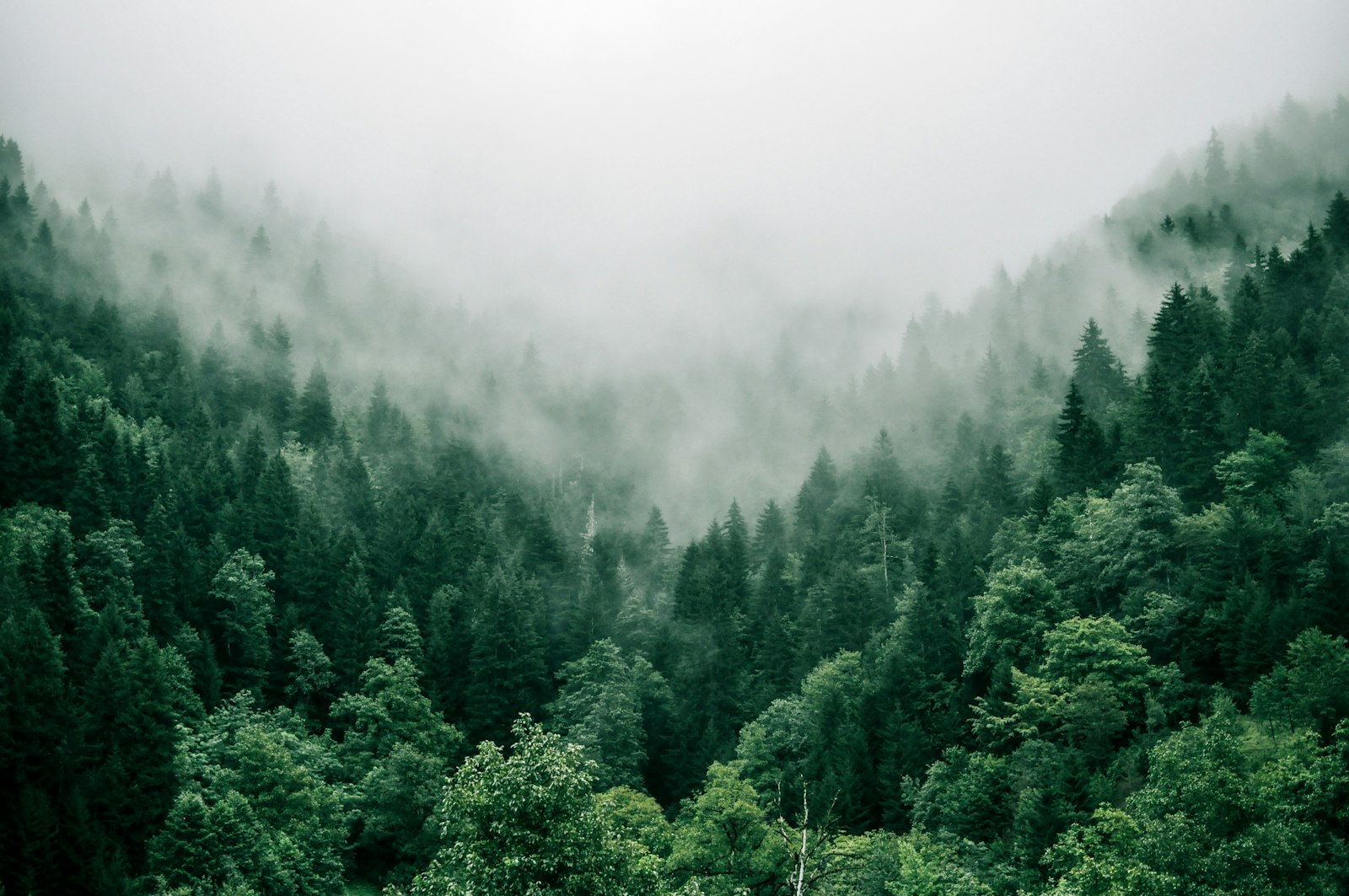
Teak (Tectona grandis), known across India as sagwan, is the most trusted hardwood on the subcontinent. It resists termites, warps less than any tropical alternative, holds polish for a century, and commands a price premium that has compounded almost every decade for the last fifty years. From Mughal-era palaces to modern luxury furniture, teak is the wood Indians upgrade to — never away from.
India's natural teak forests in Madhya Pradesh, Maharashtra and Kerala are protected. Burmese teak — once the global benchmark — is now restricted under CITES Appendix II. The result is a structural supply gap: a country that loves teak more than any other, and a planet that cannot harvest it from the wild fast enough.
BIDUA Industries is exploring a managed teak plantation model — long-horizon, technology-monitored, vertically integrated with our pods manufacturing and hospitality operations. Investors own the trees. BIDUA owns the agronomy, the security perimeter, the harvest logistics and a downstream buyer in BIDUA Pods. Status: idea stage. Pilot land scouting expected to begin in 2027.
Teak doesn't argue with the weather, the termites or the market. It just keeps adding rings — one season at a time — until one day it is worth more than the land it stands on.
The opportunity, on its own terms.

Burma is closed; the world turned to India.
EU and US import restrictions on Myanmar teak (post-2021 sanctions) have redirected global premium-grade demand toward Indian-grown timber. If validated, this is a structural — not cyclical — tailwind.
Private cultivation is fully legal.
Unlike sandalwood, teak has always been farmer-friendly. State forest departments actively encourage plantation forestry and several states issue felling permits without quota friction.
Demand from interior brands keeps rising.
Indian furniture, yacht decking and luxury real estate consume more teak each year than the country can legally supply. Pepperfry, Urban Ladder and bespoke carpenters all queue for grade-A logs.
Climate-resilient cash crop.
Teak tolerates drought, low-fertility soils and a wide rainfall band (800–2500 mm). For dry-belt landowners in Vidarbha, Marathwada and parts of Telangana, it is one of the few profitable long-cycle options.
Sized in three rings.
- Premium A-grade logs sell at ₹3,500–4,500/cu ft at Forest Department auctions in Maharashtra and MP.
- Indian furniture industry estimated at ₹1.5 lakh crore — teak is the default premium specification.
- Yacht decking and architectural cladding pay USD 25–40 per board-foot for export-grade teak.
- Biomass and intercropping (turmeric, pulses, lemongrass) deliver interim cash flow for first 6–8 years.
How it works, end to end.

Land aggregation
BIDUA identifies and acquires or long-leases agricultural land in Maharashtra, Madhya Pradesh, Karnataka and Andhra Pradesh — states with proven teak agronomy and active forest-department support. Soil testing and water-table mapping precede any planting.
Investor plot model
Investors take ownership of fractional acreage (typically ¼ acre to 5 acres, ~150–200 trees per acre). BIDUA holds the operating agreement, maintains the plantation, and executes the harvest. Plot ownership is registered and inheritable.
Annual stewardship
Fixed annual maintenance fee covers irrigation, pruning, fire-line clearing, termite control, fencing and 24/7 perimeter security. Quarterly drone-imagery reports go to investors via a FinWault-hosted portal.
Intercrop revenue
First 6–8 years the canopy is open enough for turmeric, ginger, pulses, lemongrass or floriculture. Intercrop income is shared with the local farmer-partner and offsets a portion of investor maintenance fees.
Harvest & vertical integration
Thinning cycles begin Year 8–10 (small revenue). Main harvest from Year 18–25. BIDUA Pods becomes an anchor downstream buyer for premium grade logs used in luxury cabin interiors. Surplus auctions through Forest Department channels.
Three compounding phases.
Setup & intercrop
- Sapling and setup fee (₹1.5–2.5 L per acre)
- Annual maintenance contracts (₹15–25k per acre)
- Intercrop yield (turmeric, ginger, pulses)
- Government subsidies under agroforestry schemes
Stewardship & thinning
- Continued maintenance fees
- Thinning cycle pole-wood sales
- Carbon credit aggregation
- Land value appreciation
Main harvest
- A-grade log auctions (₹3.5–4.5k per cu ft)
- Direct supply contracts with BIDUA Pods
- Export contracts (yacht / architectural grade)
- Replanting cycle revenue
Patient cadence, deliberate steps.

-
Q2 2027Land due diligence across Vidarbha and southern MP — shortlist 300 acres.
-
Q4 2027First 75-acre pilot block acquired. Soil correction and fencing.
-
Q2 2028First teak saplings planted. Investor pilot opens with 15 partners.
-
2029–2033Scale to 500 acres. Drone monitoring and FinWault investor portal go live.
-
2035First thinning cycle. Initial pole-wood revenue and intercrop dividends.
-
2046–2052Primary harvest window. Premium logs flow to BIDUA Pods and Forest Department auctions.
Who else is here — and why we're different.
- Downstream demand anchor — BIDUA Pods absorbs premium-grade logs internally.
- IoT and drone-monitored plantations (shared stack with PersistIP infrastructure).
- Transparent investor portal built on FinWault primitives — quarterly satellite imagery, growth telemetry.
- Multi-state diversification reduces drought and pest concentration risk.
What can go wrong — and how we plan for it.
Long illiquid hold (20+ years)
Mitigation: Secondary transfer market for plots. Inheritance built into contracts. Intercrop and thinning cash flow during the hold.
Fire and termite damage
Mitigation: Fire-line clearing, termite-resistant rootstock, neem-based bio-pesticide rotation, plantation insurance.
Theft and illicit felling
Mitigation: Triple-layer fencing, IoT motion sensors, drone patrol, registered Forest Department checkpoints.
Felling-permit delay
Mitigation: Plant only on private patta land where felling rules are simpler. Active liaison with state forest departments.
Sapling quality variability
Mitigation: Source only from tissue-culture certified nurseries. First 3-year replanting included in setup contract.
Connected BIDUA divisions.
Every BIDUA bet feeds something else in the group. This one connects to:
 Live
Live
BIDUA Pods
Anchor downstream buyer — premium teak for luxury pod interiors and partition work.
biduapods.com Live
Live
Naploo™ Smart Pod Hotels
Hospitality properties prefer authentic Indian hardwoods for lobby and suite finishes.
naploo.com Live
Live
FinWault
Foundation for the investor portal — plot tracking, valuations and reporting.
finwault.com
Questions partners and investors actually ask.
How long until harvest?
Commercial-grade teak takes 20–25 years. Some thinning revenue starts at Year 8–10, but the bulk of the return is in the final harvest.
Expected return?
Conservative modelling suggests 6–10× principal over 22 years (roughly 9–11% IRR), excluding intercrop and carbon income. Final returns depend on log grade and market price at harvest.
Can I sell my plot before harvest?
Yes — BIDUA facilitates secondary transfers. The closer to harvest, the higher the realisable value.
Is teak income tax-free?
Agricultural income in India is exempt under Section 10(1) — but the felling-and-sale stage may attract specific treatment. A CA opinion is provided at investor onboarding.
What if trees die?
Expected survival is 90%+ at maturity. BIDUA replants free of cost during the first three years.
Which states will you plant in?
Maharashtra (Vidarbha), Madhya Pradesh, Karnataka and parts of Andhra Pradesh — all proven teak-agronomy regions.
Who buys the wood at harvest?
Primary channels are Forest Department auctions, BIDUA Pods (internal use for premium pod interiors), and direct contracts with furniture brands and export buyers.
Is the project live today?
No — this is currently at idea stage. Land scouting is expected to begin in 2027. Early investor expressions of interest are being noted.
Plant a tree your grandchildren will still thank you for.
BIDUA is pre-screening land partners and investors for the 2028 pilot block. Long horizon, real timber, real yield.