Tissue Paper Manufacturing
The boring, repeat-purchase, recession-proof business hiding behind every Indian household and hotel washroom.
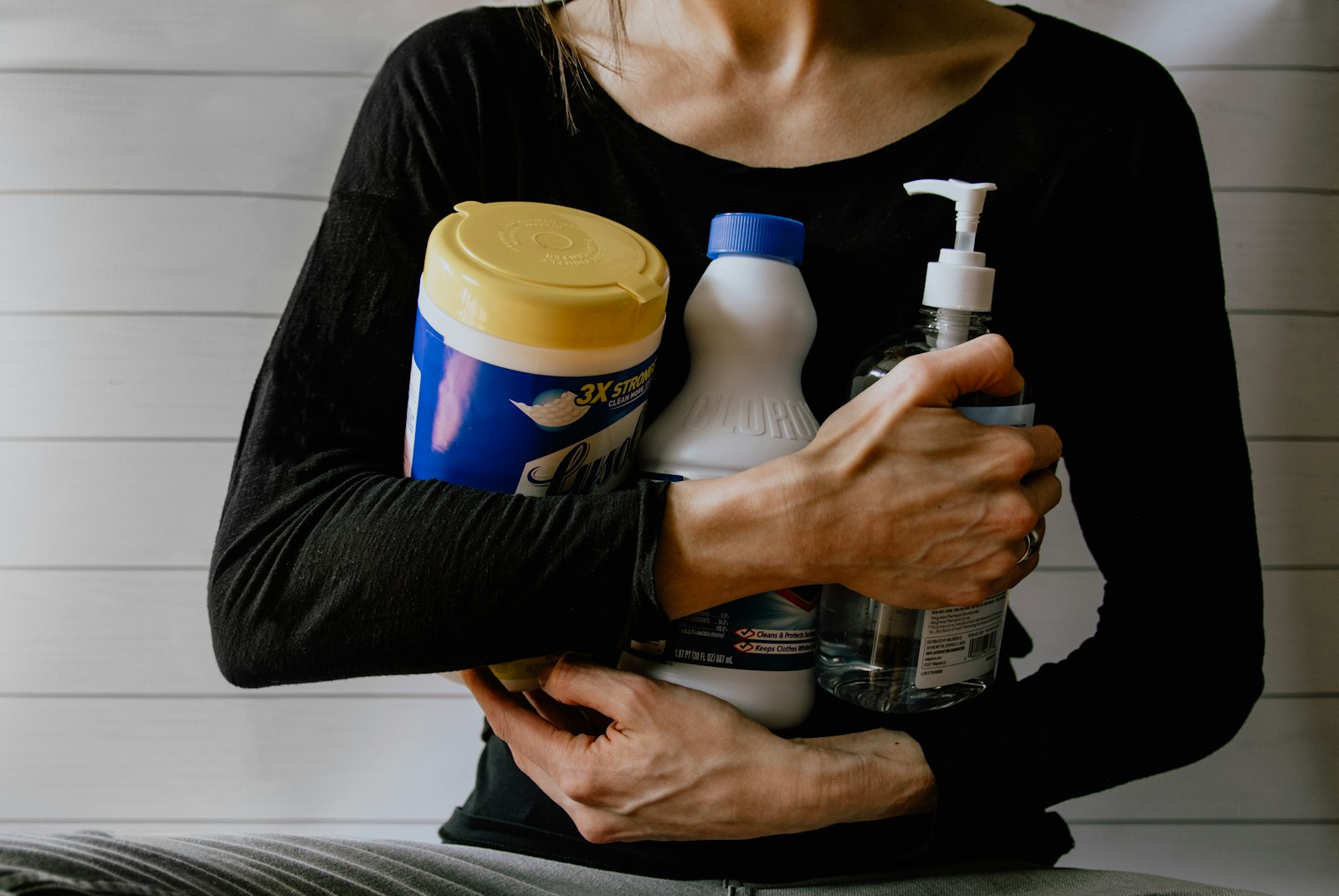
Tissue and away-from-home hygiene paper is one of the quietest compounders in Indian FMCG. The country uses roughly 0.6 kg of tissue per person per year against 25 kg in the United States and 12 kg in Europe — and that gap is closing fast as hotels, QSR chains, airports, office parks and modern-trade retail all standardise around tissue-based hygiene.
BIDUA Industries sees an opportunity to set up a vertically integrated tissue and hygiene paper unit in North India producing facial tissue, toilet rolls, kitchen towels, paper napkins, jumbo rolls for AFH (away-from-home), and wet wipes — selling both under a BIDUA-owned consumer brand and as a private-label / B2B converter for hotels, hospitals, airlines and modern retail.
This is an idea-stage opportunity. Land, machinery and working capital are real and substantial. But the category is unusually forgiving: stable demand, predictable repeat purchase, low brand loyalty (which actually helps new entrants), and a captive internal demand base across Naploo hospitality properties and BIDUA Pods showrooms.
Tissue is the most unsexy category in FMCG — which is exactly why it works. Customers buy it weekly, forget the brand instantly, and never negotiate the price. That is the entire business.
The opportunity, on its own terms.

Hygiene became non-negotiable post-2020.
COVID permanently shifted Indian households and institutions toward disposable hygiene products. Tissue, wet wipes and paper napkins are no longer urban-luxury — they are standard-issue in Tier-2 and Tier-3 cities now.
Hospitality and QSR are scaling faster than supply.
Every new hotel room, restaurant cover and aircraft seat in India needs napkins, facial tissue and toilet rolls. AFH demand is growing at ~15% annually — faster than retail.
Raw material economics finally make sense.
Recycled pulp and virgin imports from Indonesia, Brazil and Russia have stabilised. Domestic deinked pulp capacity has expanded. A new plant set up in 2026–27 hits a far better cost curve than one set up five years ago.
Internal captive demand from day one.
Naploo properties, BIDUA Pods showrooms, BIDUA Beauty retail and corporate offices already consume tissue. A BIDUA plant has a built-in floor of demand before the first external sales call.
Sized in three rings.
- Per-capita consumption gap: India 0.6 kg vs China 4.5 kg vs US 25 kg — a 7–10× headroom over the next 15 years.
- Hospitality AFH: ~1.7 lakh branded hotel rooms in India, each consuming ~15–25 kg of tissue products annually.
- QSR & cloud kitchens: 3.5 lakh+ outlets, with napkin and hand-towel consumption growing 18–20% per year.
- Modern trade & e-commerce: Amazon, Flipkart, BigBasket and Reliance Retail all running private-label tissue programmes — open white-space for contract manufacturing.
How it works, end to end.
Manufacturing core
A single Yankee-cylinder tissue machine (capacity ~30–50 TPD) producing parent jumbo rolls from virgin and recycled pulp. Located in a North Indian industrial belt (Uttar Pradesh, Uttarakhand or Haryana) for proximity to Delhi-NCR demand, pulp imports via Mundra/Kandla, and skilled labour.
Conversion lines
Downstream converting lines turn parent rolls into finished SKUs — facial tissue cartons, toilet rolls, kitchen towels, folded napkins, jumbo AFH rolls and interfold dispensers. Conversion is where the margin lives — parent roll margin is ~12–15%, converted SKU margin is 25–35%.
Dual channel: brand + private label
A BIDUA-owned consumer brand (positioned mid-premium, sold on Amazon, Flipkart, BigBasket, modern trade) plus private-label / contract manufacturing for hotel chains, airlines, QSRs, hospitals and large retail private labels. Private label fills capacity; the brand builds long-term equity.
Internal captive base
Naploo, BIDUA Pods, BIDUA Beauty retail, BIDUA Hosting offices and BIDUA corporate consumption form a guaranteed internal demand floor — useful in the first 18 months when external trade-channel listings are still ramping.
Wet wipes & adjacencies
A separate wet-wipes line (baby wipes, surface wipes, intimate-hygiene wipes, hand-sanitising wipes) targets premium retail and BIDUA Beauty channel. Higher-margin (40%+), faster-growing category, smaller capex addition.
Three compounding phases.
Plant commissioning & B2B fill
- Parent jumbo roll sales to existing converters (fills capacity early)
- Private-label contracts with 2–3 hotel chains and 1 airline
- Internal sales to Naploo, BIDUA Pods, BIDUA Beauty
- Pilot listings of BIDUA consumer brand on Amazon & Flipkart
Brand build & AFH dominance
- Consumer brand sales across modern trade & e-commerce
- AFH contracts with QSR chains, hospitals, corporate offices
- Wet wipes line revenue (baby, surface, intimate)
- Export to GCC and African markets via Mundra
Vertical & geographic expansion
- Second machine — capacity doubling for premium SKUs
- Deinked pulp unit (backward integration on raw material)
- Industrial / specialty papers (medical drape, lab wipes)
- Licensing BIDUA brand to regional converters
Patient cadence, deliberate steps.
-
Q1 2027Feasibility report, land shortlist in UP / Uttarakhand industrial corridor, machinery supplier shortlisting (Toscotec, Voith, Recard, Andritz).
-
Q3 2027Land acquisition, environmental clearances, factory layout finalised. Bank tie-up for term loan + working capital sanctioned.
-
Q2 2028Civil construction complete. Tissue machine and first conversion line installed. Trial runs.
-
Q4 2028Commercial production starts. First B2B contracts with Naploo and 2 external hotel chains go live.
-
2029–2030BIDUA consumer brand launched on Amazon, Flipkart, BigBasket. Wet wipes line commissioned. Modern trade entry into Reliance, DMart, Spencer's.
-
2032Capacity utilisation crosses 85%. Second machine evaluation. Export programme to GCC active.
Who else is here — and why we're different.
- Captive internal demand from Naploo, BIDUA Pods and BIDUA Beauty — no other new entrant has a built-in floor of consumption.
- Dual channel from day one — private label fills capacity while the consumer brand builds margin.
- Sustainability-first positioning: FSC-certified pulp, biodegradable wet wipes, plastic-free packaging — premium retail and hospitality will pay for this.
- Tech overlay via PersistIP and BIDUA Hosting — automated reorder portals for hotel and QSR clients, real-time consumption analytics.
What can go wrong — and how we plan for it.
Pulp price volatility
Mitigation: Mix of recycled and virgin pulp; long-term contracts with 2–3 international suppliers; in-house deinked pulp unit planned for Year 4 as backward integration.
Working capital intensity
Mitigation: AFH and private-label contracts have 30–45 day cycles. Discounting facility against confirmed orders. Distribution-side credit insurance via large insurers like ECGC.
Commoditisation & price wars
Mitigation: Stay out of the deepest commodity tier (basic toilet rolls under ₹50). Anchor on mid-premium SKUs, wet wipes and AFH where switching costs and quality expectations are higher.
Environmental & ETP compliance
Mitigation: Zero-liquid-discharge plant design from day one. Recycled-pulp focus reduces fresh-water demand. Active CPCB and state pollution-board engagement during plant design phase.
Capacity utilisation in first 18 months
Mitigation: Internal BIDUA consumption + parent jumbo sales to existing converters absorb initial output while branded SKUs ramp up listings.
Connected BIDUA divisions.
Every BIDUA bet feeds something else in the group. This one connects to:
 Live
Live
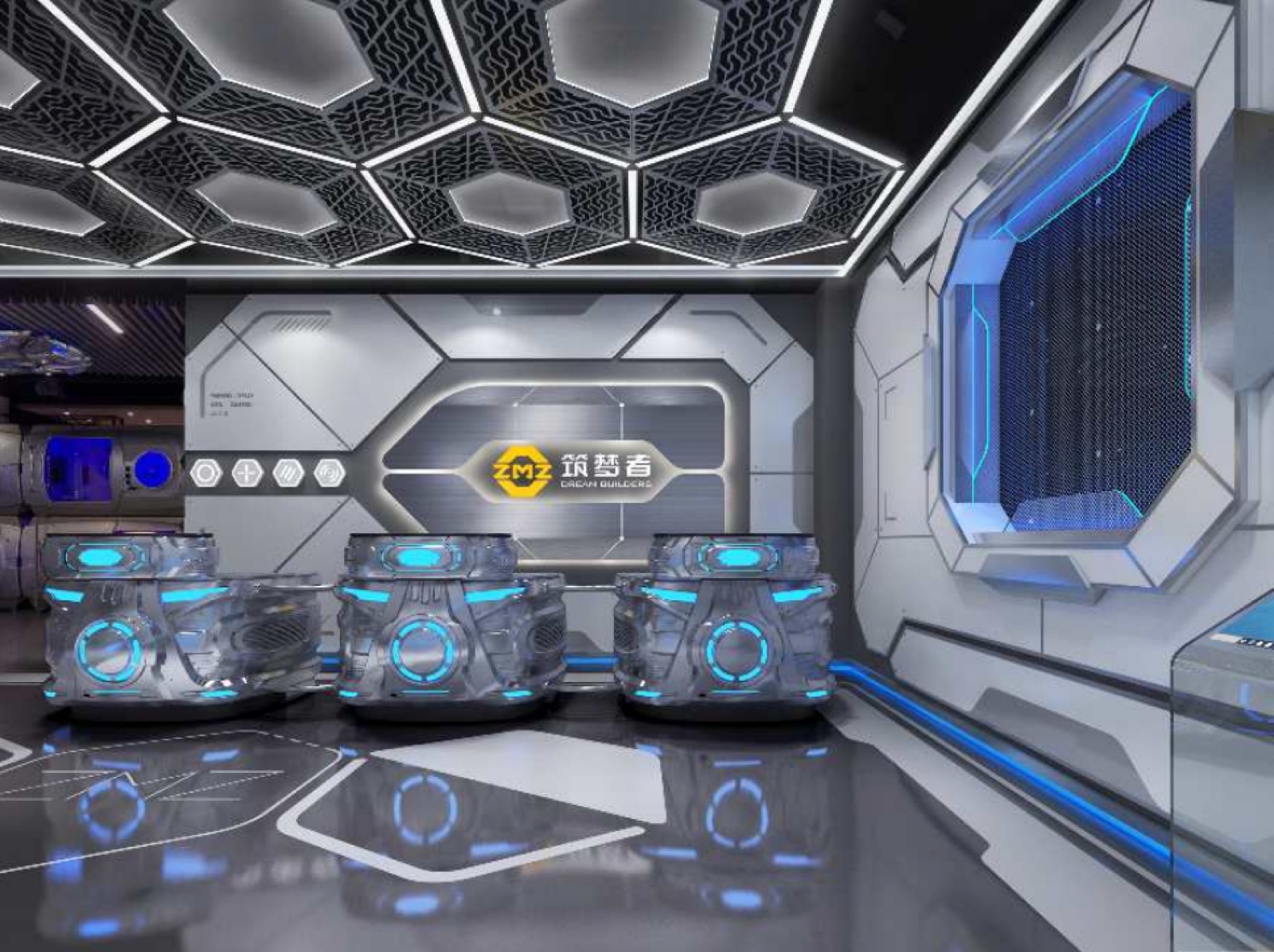
Naploo™ Smart Pod Hotels
Captive AFH demand — napkins, facial tissue and toilet rolls across every Naploo hospitality property.
naploo.com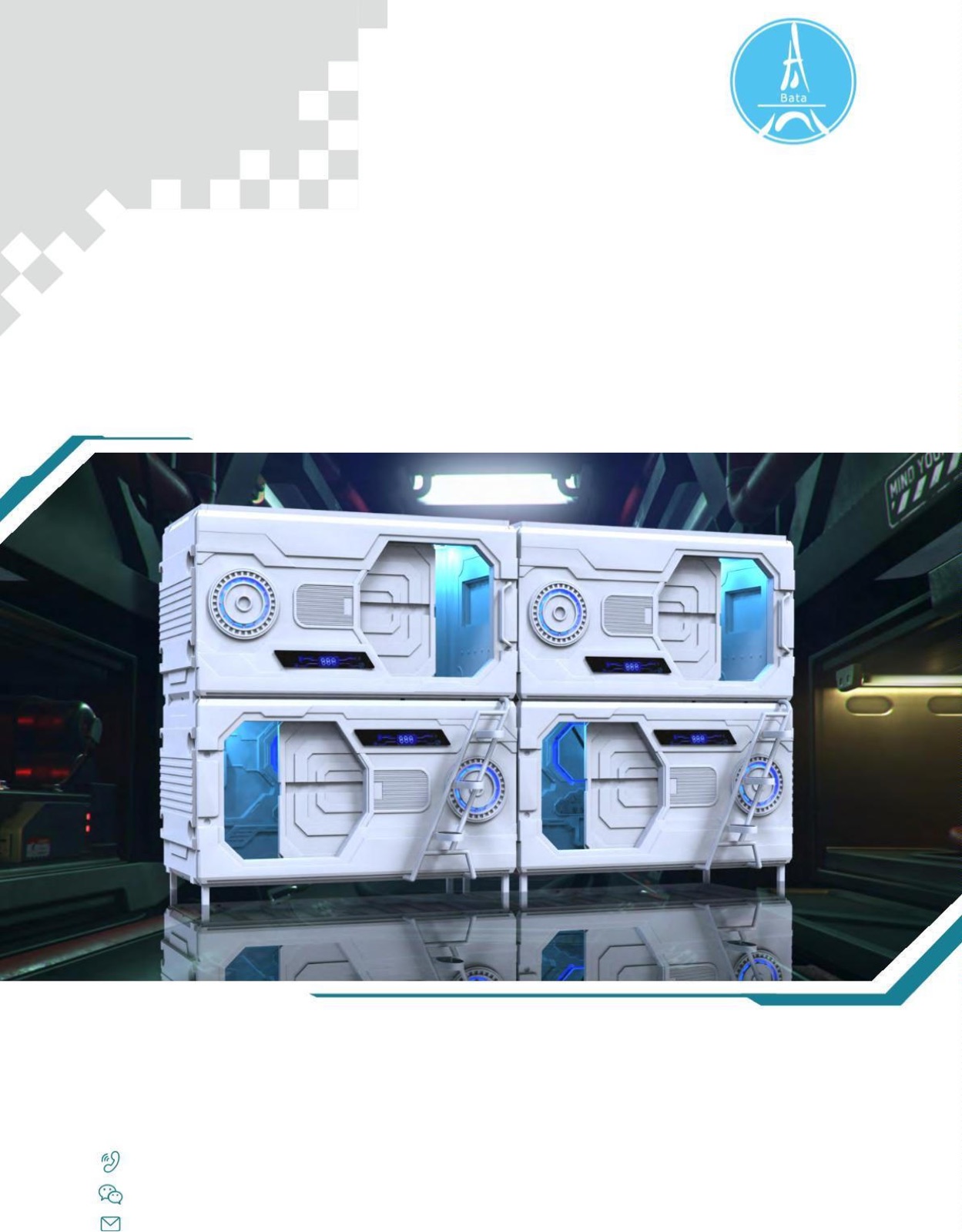 Live
Live
BIDUA Pods
Shared industrial logistics and North India manufacturing footprint; washroom supplies for Pods showrooms and installations.
biduapods.com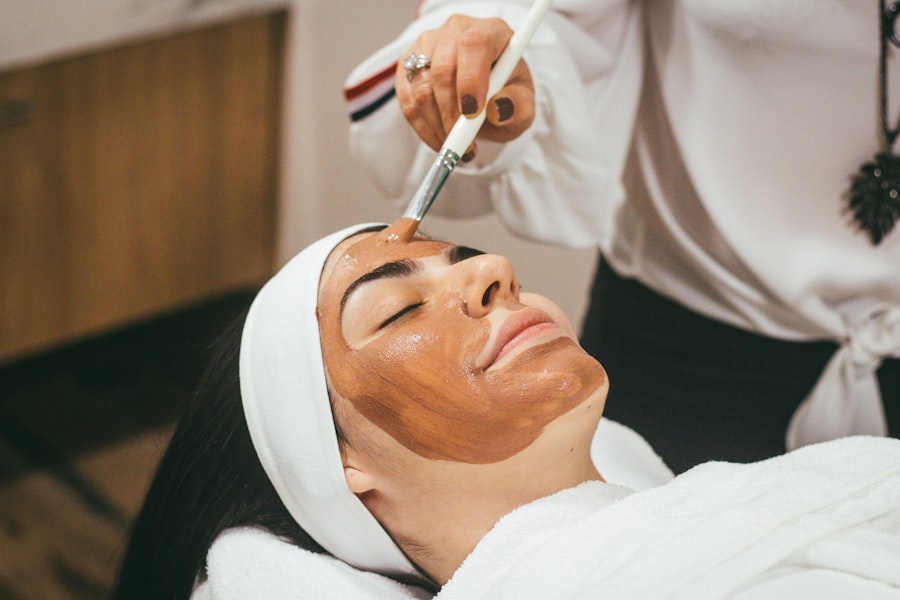 Live
Live
BIDUA Beauty Care
Premium wet wipes and intimate-hygiene SKUs cross-shelved through BIDUA Beauty's retail and e-commerce channel.
biduabeauty.com
Questions partners and investors actually ask.
Why tissue paper — isn't it a commodity?
Parent rolls are a commodity. Converted, branded and AFH-specified tissue products are not — they carry 25–40% gross margins, and switching costs in hospitality and healthcare are real.
What is the expected capex?
An integrated 30–50 TPD plant with one tissue machine and 4–5 conversion lines requires roughly ₹120–180 crore in capex, plus ₹25–35 crore of working capital. Numbers will firm up at DPR stage.
Will BIDUA make the pulp in-house?
Not at launch. We start with imported virgin pulp and domestic recycled pulp. A deinked pulp unit becomes financially viable from Year 4 once converted volumes justify the investment.
Is wet wipes part of the same plant?
Yes — wet wipes use non-woven fabric rather than tissue, but the line sits in the same facility, shares packaging, distribution and brand. It is a high-margin adjacency, not a separate business.
How does this connect to other BIDUA businesses?
Naploo hotels need napkins and tissue. BIDUA Pods showrooms need washroom supplies. BIDUA Beauty retail can co-shelf premium wet wipes. The plant has captive internal demand before any external sales call.
What about sustainability — isn't tissue wasteful?
Modern recycled-pulp tissue actually has a lower lifecycle footprint than cloth napkins washed daily in hot water. We will use FSC-certified pulp, zero-liquid-discharge and plastic-free packaging as core positioning.
Where will the plant be located?
Shortlist includes industrial belts in Uttarakhand (SIDCUL), Uttar Pradesh (Greater Noida / Ghaziabad) and Haryana — chosen for proximity to Delhi-NCR demand, port logistics and skilled labour.
What is the realistic payback period?
If validated, a well-run integrated tissue plant typically pays back in 6–8 years with 18–22% IRR over a 15-year horizon. Margins improve materially once the deinked pulp unit and second machine come online.
Partner with us on India's quietest compounding category.
BIDUA is in early planning for a 30–50 TPD tissue and hygiene paper unit in North India. We are open to co-investors, machinery partners and anchor private-label customers (hotels, QSRs, retail).