Transparent LED Business Card
A business card you can see through, with your logo glowing across the glass — premium, theatrical, unforgettable.

This is an early-stage concept at BIDUA. The product is a credit-card-sized transparent display — using either thin transparent OLED panels or micro-LED dot-matrix on glass — that can render an animated logo, contact details and short video loops on what otherwise looks like a piece of clear glass. The card is rechargeable (USB-C), houses a small battery and an embedded ARM microcontroller.
The use case is purely premium positioning. CEOs, luxury brand founders, hospitality leadership, jewellery and fashion houses, premium real estate, automotive collectors and investment bankers — segments where a business card is a statement, not a logistics tool. At ₹8,000–15,000 per card, this is not chasing the mass market.
We are honest about the maturity gap. Transparent display hardware at credit-card thickness and acceptable cost is still emerging. We are tracking the supply chain, building reference prototypes through 2027, and will commit to production only when the hardware is reliable, manufacturable in India and priced sensibly. Until then, this is an idea — a deliberately ambitious one.
There's a moment in any high-end meeting when the room goes quiet because someone has done something physical you didn't expect. A glowing, transparent card might be exactly that moment — if we can actually build it.
The opportunity, on its own terms.

Transparent display hardware is maturing.
Samsung, LG and several Chinese OEMs now produce transparent OLED at small sizes. Pricing is dropping ~30% per year. By 2027–2028, credit-card form factor will likely be viable.
Indian luxury is finally a real segment.
HNI population in India grew 16% in 2025. Founders, investors and luxury brand operators now actively spend on personal brand artefacts in a way they did not a decade ago.
Differentiation in the C-suite is overdue.
Black metal and embossed paper cards have been the premium choice for 30 years. A genuinely new format would be a defensible top-end positioning play.
BIDUA already manufactures premium hardware.
BIDUA Pods produces precision interiors with embedded electronics. The same supply chain partners, QA discipline and design language apply directly to a premium card.
Sized in three rings.
- Indian HNI / UHNI population: ~850,000 individuals and growing 16% YoY, strong potential adopter base.
- Luxury corporate gifting in India crossed ₹3,500 cr in 2025 — strong vertical adjacency.
- Premium watches, leather and stationery already command 10–50× price premiums for unique craftsmanship — a precedent for premium card pricing.
- Naploo, BIDUA Beauty premium and BIDUA Pods premium-segment leadership are natural in-house showcase users.
How it works, end to end.

Premium card sale
Expected pricing ₹8,000–15,000 per card. Margin structured to support a high-touch sales motion, white-glove fulfilment and 2-year hardware warranty.
Limited editions & co-branding
Co-branded numbered editions with luxury brands, hotels and family offices. Highest-margin, lowest-volume tier — designed for corporate gifting and prestige.
Profile + analytics subscription
Bundled profile hosting (like Video Visiting Card) for live contact updates. ₹1,499/year — proportional to the card's premium positioning.
Repair, refresh & trade-in
2-year warranty, battery replacement at year 3, full hardware refresh program every 5 years. Designed to keep the customer in the ecosystem long-term.
Concierge fulfilment
Premium packaging, doorstep activation by a concierge representative, leather case and personalised onboarding — modelled on luxury watch retail.
Three compounding phases.
R&D
- Hardware supply chain validation
- Reference prototypes for internal demo
- Vendor partnerships in Korea + China
- Patent and IP filings via PersistIP
Soft launch (if validated)
- First commercial batch of 500 cards (limited founder edition)
- Co-branded luxury editions
- Profile + analytics subscriptions
- Corporate gifting accounts
Premium scale
- Annual editions and seasonal drops
- Diaspora and GCC luxury market
- Hardware refresh + trade-in cycle
- Bespoke single-piece commissions
Patient cadence, deliberate steps.

-
Q3 2026Hardware feasibility study + supply chain mapping. Reference prototypes ordered from 3 candidate display vendors.
-
2027Working prototypes evaluated for thickness, battery life, durability and unit cost. Go/no-go decision late 2027.
-
Q3 2028If validated — limited founder edition of 500 cards launches at ultra-premium pricing.
-
2029Co-branded luxury editions with 3 partner brands (hotel + jewellery + auto).
-
2030Annual edition cadence. GCC and Singapore diaspora launch. Hardware refresh program live.
Who else is here — and why we're different.
- Genuinely new form factor — no Indian or global competitor at credit-card thickness with transparent display.
- BIDUA Pods supply chain + QA discipline applied to a premium consumer hardware product.
- Concierge fulfilment and luxury packaging — modelled on Swiss watch retail, not consumer electronics.
- Patent and IP protection through PersistIP from day one — protects the design and manufacturing IP.
What can go wrong — and how we plan for it.
Hardware not yet mature at this thickness
Mitigation: Multi-vendor supply chain mapping in 2026–27. Go/no-go decision late 2027 — we do not commit to production until the technology is ready.
Battery life and durability concerns
Mitigation: Sleep-by-default design, motion-triggered activation, 2-year warranty and a battery-replacement program at Year 3.
Cost target may not be met
Mitigation: Ultra-premium positioning absorbs higher BOM. If we cannot reach ₹15,000 retail, we hold the launch rather than dilute the positioning.
Low repeat rate per buyer
Mitigation: Annual edition cadence, co-branded limited drops and a hardware refresh program drive repeat purchase among committed customers.
Counterfeiting in the luxury segment
Mitigation: PersistIP-issued cryptographic device identity and serialised limited editions make counterfeit detection trivial.
Connected BIDUA divisions.
Every BIDUA bet feeds something else in the group. This one connects to:
 Live
Live
BIDUA Pods
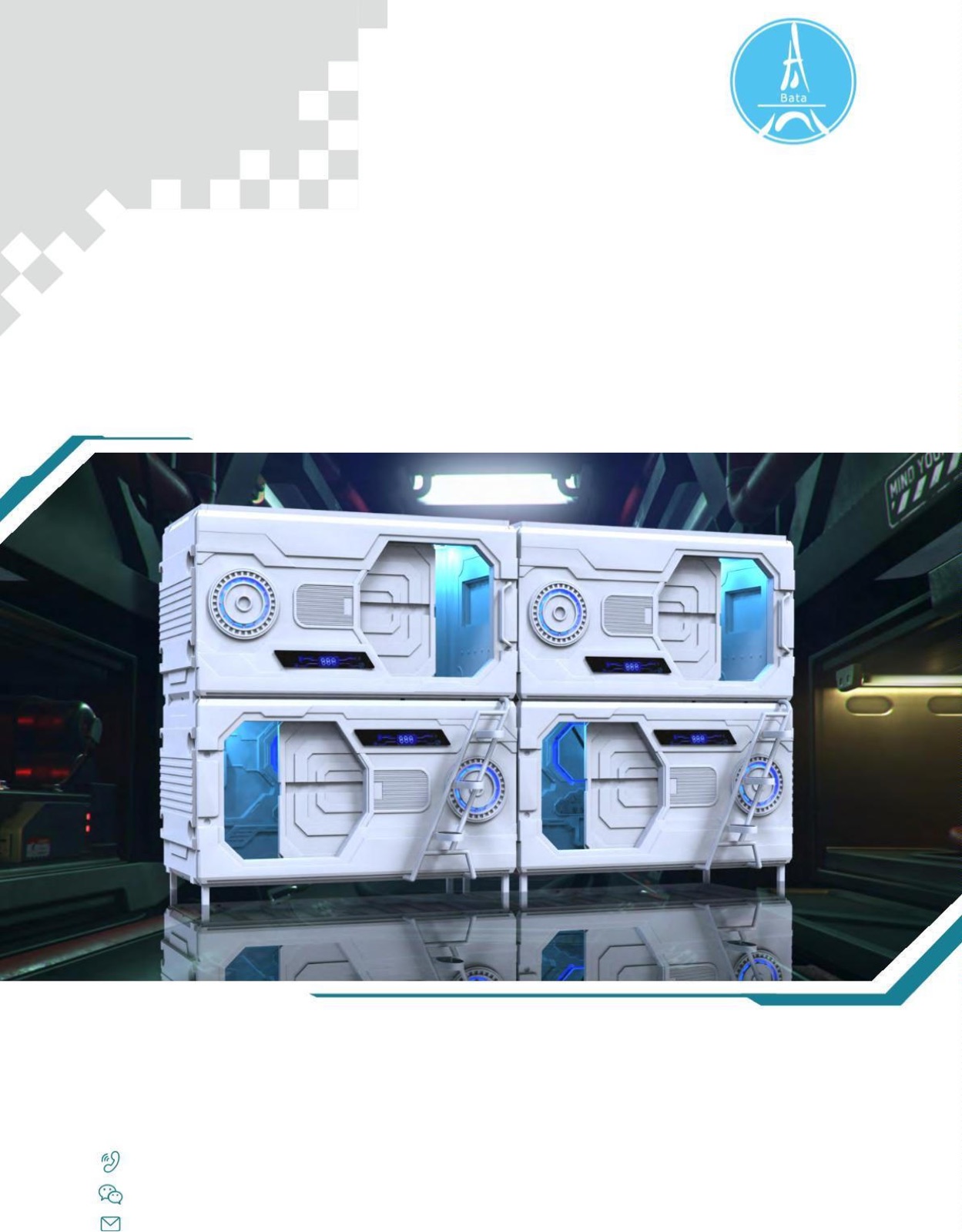
Same precision hardware supply chain, QA process and manufacturing partner network.
biduapods.com Live
Live
PersistIP
Device identity, cryptographic serial numbers and IP/patent protection across the design.
ip.bidua.in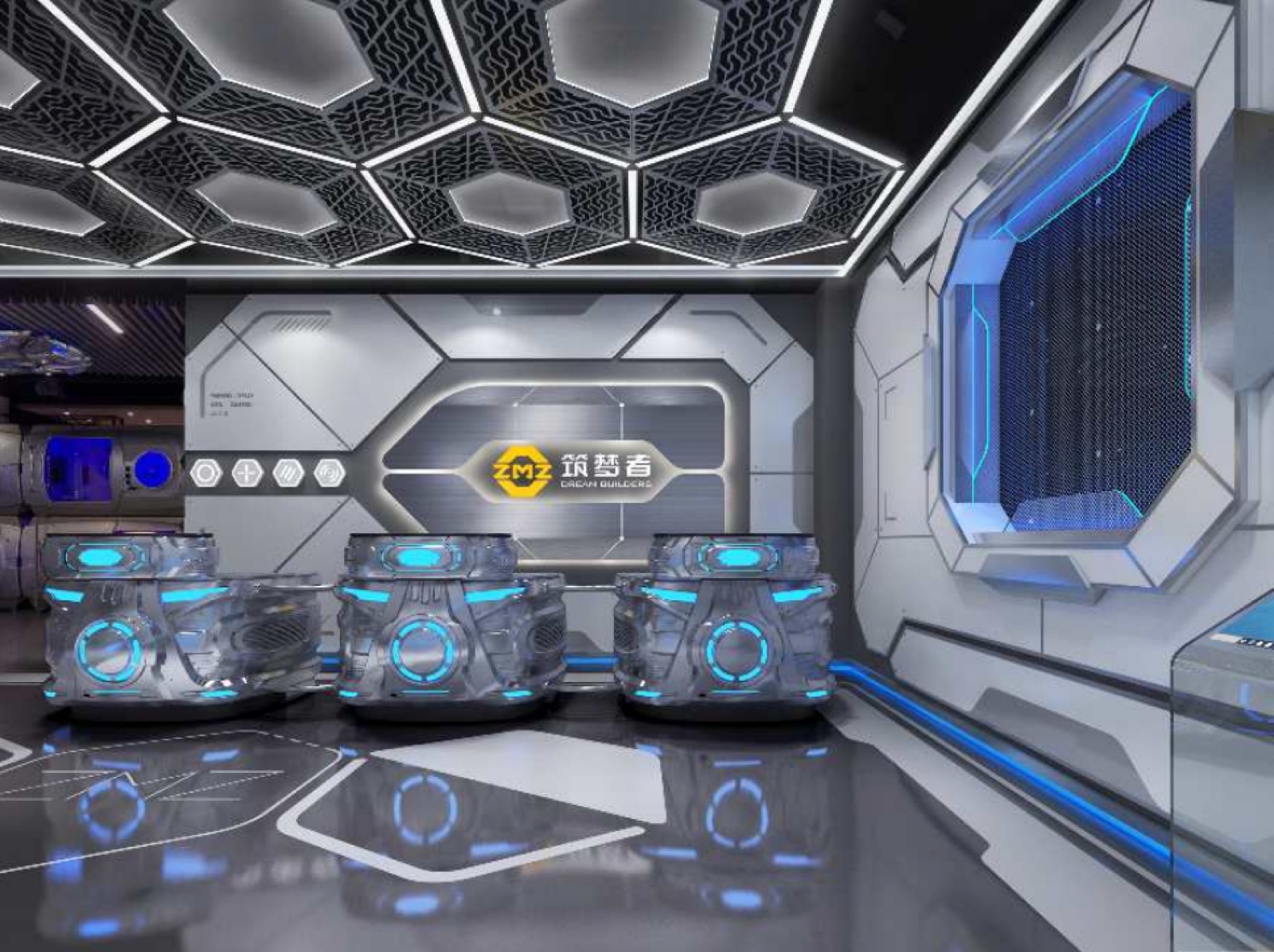 Live
Live
Naploo™ Smart Pod Hotels
Premium hospitality leadership and concierge teams are natural showcase users.
naploo.com
Questions partners and investors actually ask.
Is this actually for sale today?
No. It is an early-stage idea. Hardware prototypes are being evaluated through 2027. Earliest commercial availability would be late 2028.
Why is it so expensive?
Transparent display hardware at credit-card thickness is genuinely premium. We will not dilute the positioning by cutting corners — if we cannot hit a price that respects the segment, we will not launch.
Will it really be as thin as a normal card?
Target is 1.5 mm — about three times the thickness of a paper card but thinner than most metal premium cards. Final dimensions depend on display vendor outcomes.
How long does the battery last?
Target is one charge per week of normal display use. Real numbers will depend on hardware validation in 2027.
What happens when the battery dies after a few years?
We plan a battery replacement service at Year 3 and a full hardware refresh at Year 5 — customers keep the same card identity, get refreshed hardware.
Can I update what's displayed on the card?
Yes — via a paired mobile app. Logo animation, name, contact line and short video loops are all editable.
Why list it as an idea, not a product?
Because the hardware isn't ready yet. We would rather be honest and wait than ship something that disappoints at this price point.
Be first in line if this becomes real.
We are building a reservation list of founders, CXOs and luxury operators who would consider an inaugural-edition Transparent LED Card. Reservations are non-binding.