Tyre Recycling Business
275 million tyres a year is not a waste problem. It is a feedstock waiting for an honest plant to claim it.
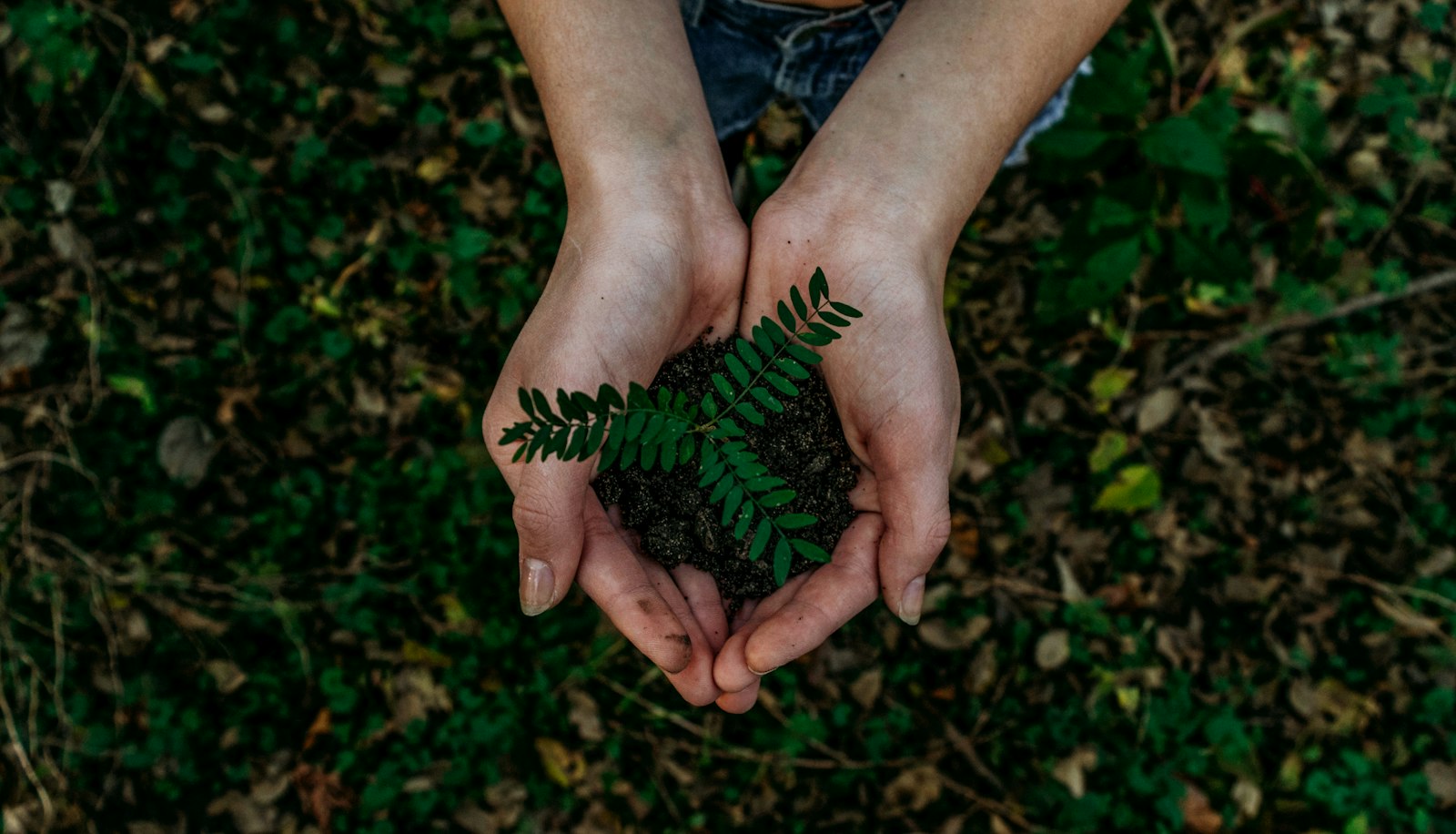
India is the world's third-largest tyre market and a top-five generator of end-of-life tyres. Yet most of those tyres do not enter a regulated recycling system — they get fed into informal pyrolysis units that produce low-grade carbon black, pollute groundwater and release some of the most toxic emissions in the manufacturing economy. The 2022 Extended Producer Responsibility (EPR) framework for waste tyres is finally changing that.
A compliant tyre recycling plant takes scrap tyres and mechanically separates them into three high-value streams: reclaimed rubber crumb (used in roads, bricks, sports surfaces and mats), steel wire (sold back to mini-steel mills), and recovered carbon black (used in inks, rubber compounding and pigments). With cryogenic or ambient mechanical processing, none of the toxic pyrolysis emissions are involved.
BIDUA Industries is exploring this as the upstream anchor for our recycled rubber brick business (Idea #99) and a standalone revenue line: a 10 TPD ambient mechanical recycling plant in NCR, with feedstock secured through partnerships with collection aggregators, OEM EPR contracts and municipal tie-ups.
There is a kind of beautiful arithmetic in tyre recycling — every black, useless circle by the highway becomes rubber, steel and carbon black. The villain in the photograph is also the supply chain.
The opportunity, on its own terms.
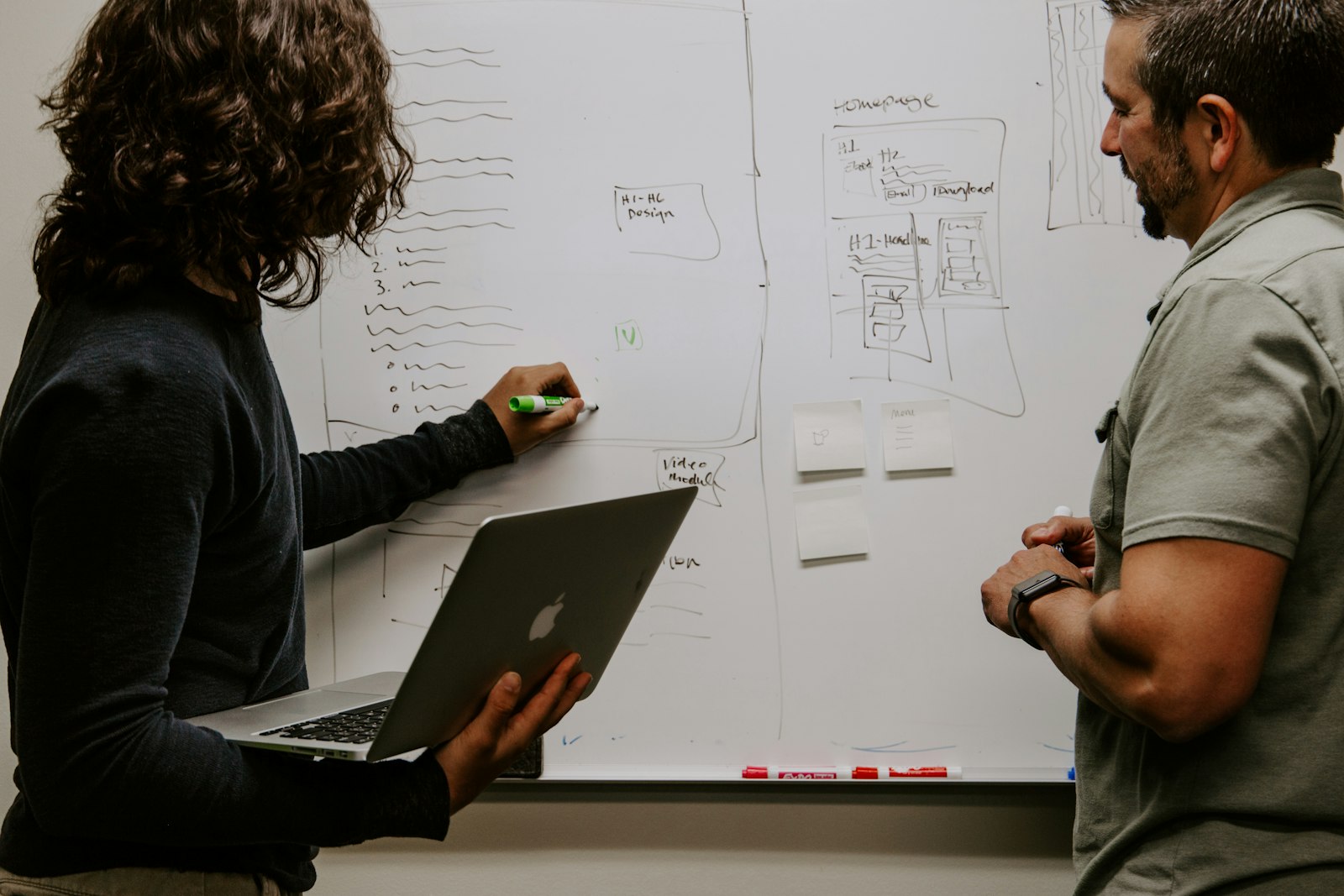
EPR regulations are now teeth, not paper.
From April 2023, tyre producers and importers must purchase certified EPR credits to discharge their obligations — and the certified-recycler pool is small. Authorised recyclers command a structural price premium.
Informal pyrolysis is getting shut down.
CPCB and state pollution boards are actively closing illegal units across UP, Haryana and Punjab — pushing supply toward licensed plants while removing dirty competitors.
Downstream demand is exploding.
Crumb rubber is now mandated in bituminous road mixes by NHAI on select highway projects. Recovered carbon black is a recognised input for inks and rubber masterbatches. Steel scrap markets are deep and liquid.
Vertical pull from our own businesses.
BIDUA's rubber brick and pod division will consume a meaningful share of the crumb output internally — de-risking offtake from Day 1 in a way most standalone recyclers cannot match.
Sized in three rings.
- NHAI mandates crumb rubber in bituminous mixes on selected national highway projects.
- EPR credit demand from tyre OEMs growing 20%+ as compliance tightens.
- Steel mini-mills consume tyre-bead steel at near-spot scrap prices.
- Recovered carbon black is now a recognised industrial commodity, not just a waste output.
How it works, end to end.
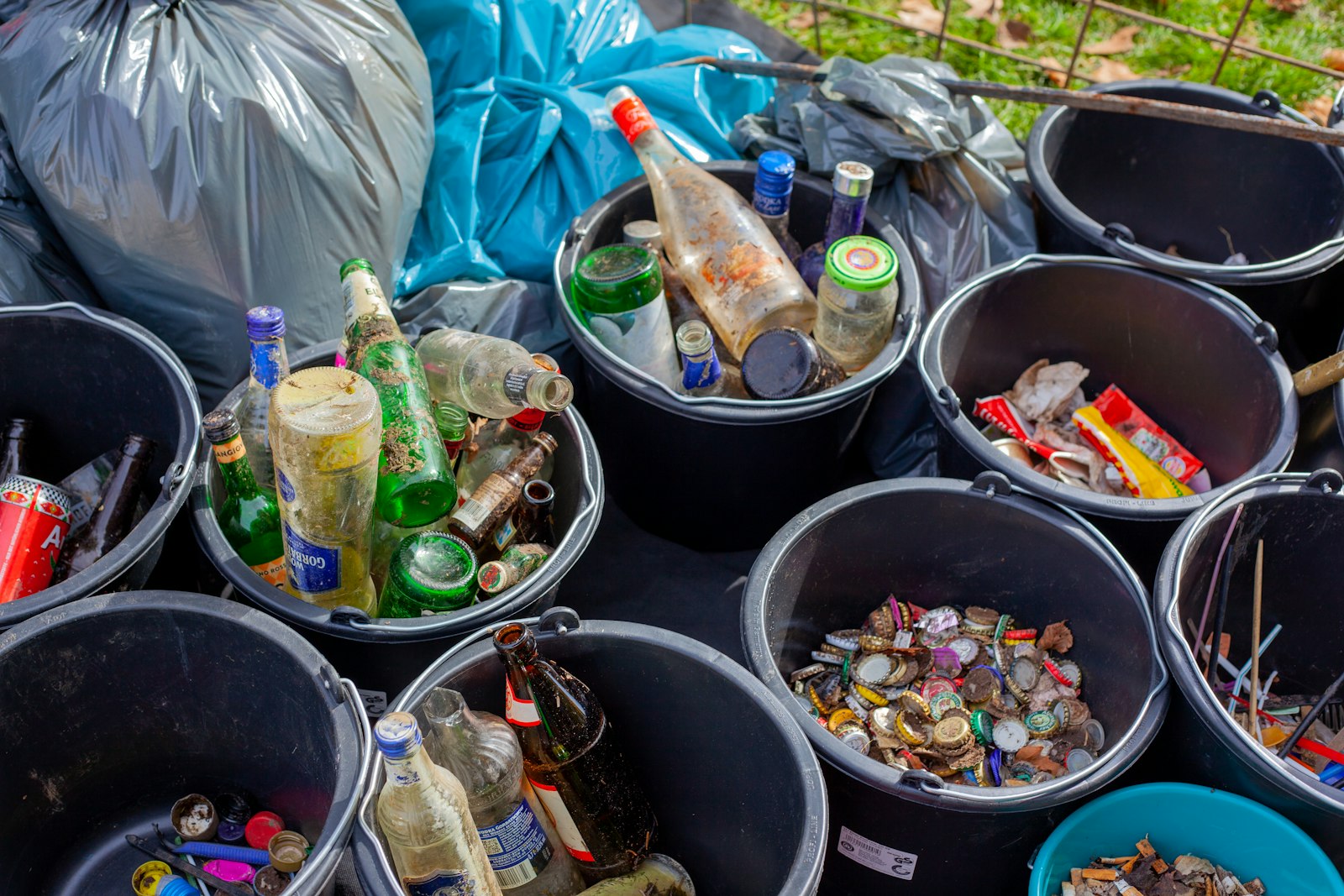
Feedstock aggregation
Hub-and-spoke collection from used-tyre dealers, automobile workshops, fleet operators and municipal tenders. NCR alone generates 25,000+ tonnes of end-of-life tyres a year — supply is not the bottleneck.
Ambient mechanical processing
Shredder → granulator → cryogenic / fine-mill stages. No pyrolysis, no incineration, no toxic emissions. Industry-standard line capex roughly ₹25–35 crore for 10 TPD.
Three-stream output
Crumb rubber (50–55%), steel wire (12–15%), textile fibre (~5%), and fines / carbon-black-grade output. Each stream priced and sold independently, smoothing revenue across cycles.
EPR credit monetisation
Plant gets registered as an authorised recycler under CPCB EPR rules. Credits sold to tyre manufacturers under EPR contracts — a quasi-regulated, growing revenue line.
Vertical pull-through
30–40% of crumb output supplies the BIDUA rubber brick line at internal transfer pricing. The rest sells into roads, sports surfaces and rubber-mat manufacturers.
Three compounding phases.
Build & ramp
- Tyre intake fees from generators
- Pilot crumb sales to road contractors
- Steel scrap sales to mini-mills
- Initial EPR credit contracts
Vertical integration
- Captive crumb to BIDUA rubber bricks
- NHAI bituminous mix contracts
- Recovered carbon black to ink / rubber compounders
- Annual EPR credit auctions
Scale & adjacency
- Second plant in Western India
- Devulcanised rubber premium product line
- Carbon credit aggregation
- Licensed collection franchise model
Patient cadence, deliberate steps.
-
Q3 2026Feasibility — site selection in NCR, feedstock contracts with 3–5 collection aggregators, CPCB EPR registration paperwork.
-
Q1 2027Equipment vendor finalised. Land lease signed. Plant design freeze.
-
Q4 202710 TPD plant commissioning. First commercial crumb shipped to BIDUA rubber brick pilot.
-
Q3 2028EPR credit sales begin. NHAI / state PWD bid submissions for crumb-rubber bitumen.
-
2029–2030Full ramp. Recovered carbon black added as a finished SKU. Scale to 15 TPD.
-
2032Second plant feasibility study — Western India or Tier-2 metro. Devulcanised rubber R&D programme.
Who else is here — and why we're different.
- No pyrolysis — 100% mechanical, zero toxic emissions, regulator-friendly from Day 1.
- Captive downstream demand through BIDUA rubber bricks de-risks crumb pricing.
- EPR-credit revenue overlay on top of physical product sales.
- Twin-engine economics — works as both standalone profit centre and BIDUA supply backbone.
What can go wrong — and how we plan for it.
EPR credit price compression
Mitigation: Physical product sales (crumb, steel, carbon) are profitable independent of EPR — credits are upside, not the base case.
Feedstock supply competition from informal units
Mitigation: CPCB enforcement is reducing informal capacity; long-term supply contracts with fleet operators lock volume.
Capex overruns / equipment delays
Mitigation: Single proven vendor relationship, phased commissioning, contingency budget built into plan.
Crumb price volatility
Mitigation: 30–40% captive offtake into BIDUA rubber bricks at internal transfer pricing creates a structural floor.
Environmental / community concerns at plant site
Mitigation: Ambient process means no smoke, no smell. CPCB-grade effluent and noise compliance built into plant design.
Connected BIDUA divisions.
Every BIDUA bet feeds something else in the group. This one connects to:
Questions partners and investors actually ask.
Is this pyrolysis?
No. We are explicitly building an ambient mechanical recycling plant — no pyrolysis, no incineration, no toxic emissions.
Why not pyrolysis, since it makes oil?
Pyrolysis oil markets in India are thin, the emissions are difficult, and regulatory risk is high. Mechanical recycling has cleaner economics and a better long-term licence to operate.
Where does the feedstock come from?
Tyre dealers, fleet operators, municipal contracts and tyre OEMs under their EPR obligations. NCR alone produces multiples of our plant capacity in scrap tyres.
What is the typical IRR for such plants?
Published industry data suggests 18–24% IRR for well-run 10 TPD ambient plants in India once EPR credit revenue is included. We will publish our own modelling at feasibility close.
How does this support BIDUA's other businesses?
It is the upstream anchor for our rubber brick plant. Captive crumb at internal transfer cost is a structural advantage no standalone brick maker can replicate.
What is the environmental footprint?
Net positive. Each tonne of tyres processed mechanically avoids ~3–4 tCO₂ vs. open burning or pyrolysis, plus the avoided soil and groundwater contamination from informal dumping.
Is the steel actually saleable?
Yes — tyre-bead steel is sold to local mini-mills at near-scrap-spot prices. It is a small but steady revenue stream.
When can investors get involved?
We are at idea-feasibility stage. Serious co-investment conversations will open in 2026 once site, vendor and EPR registration paths are firmed up.
Co-build a clean tyre-recycling plant with us.
If you are a collection aggregator, NHAI contractor or industrial buyer of crumb / steel / carbon black, we want to talk before the 2027 site goes live.