Vanilla Farming
The second-most-expensive spice on earth — and India barely shows up on the supply map.
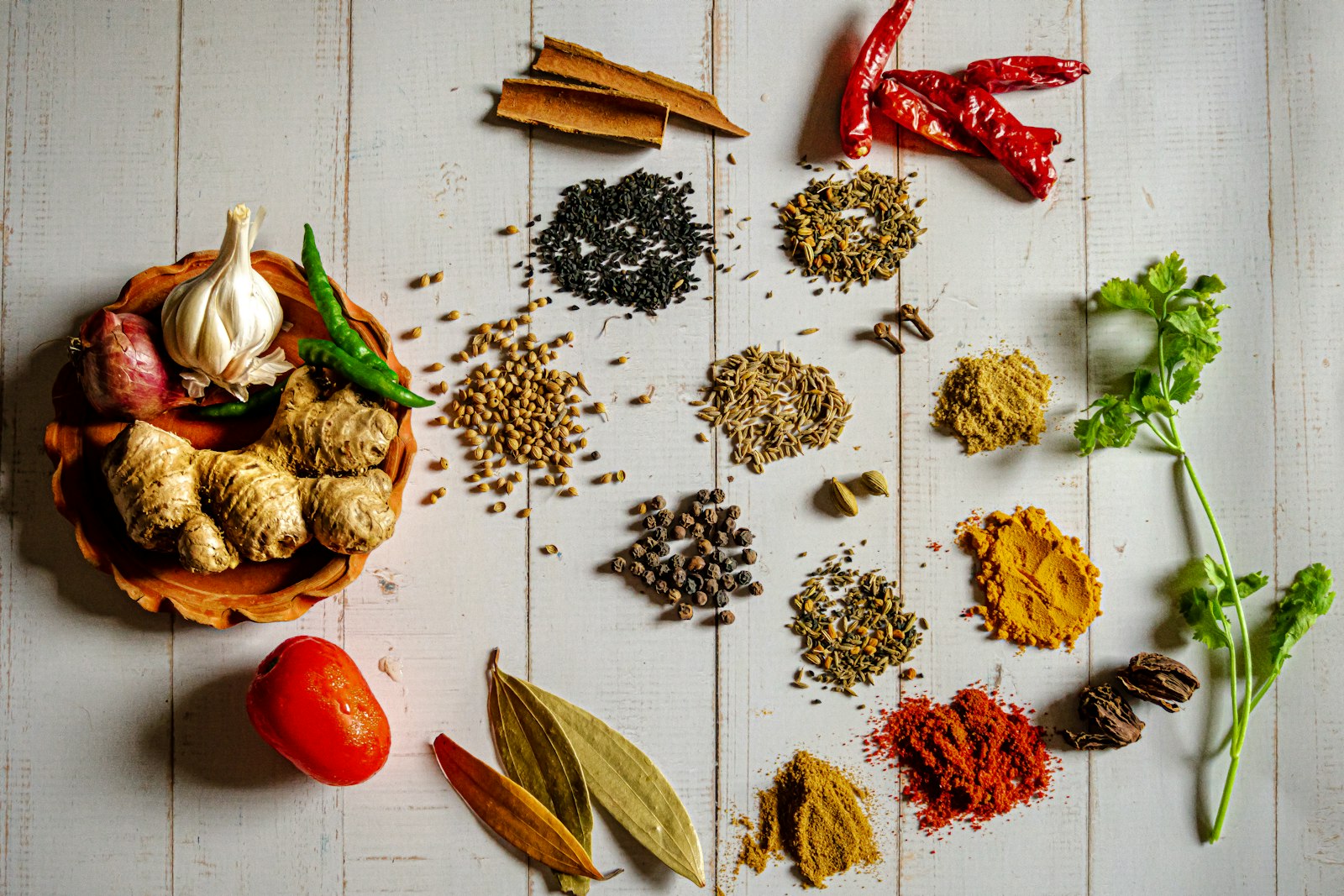
Vanilla (Vanilla planifolia) is the world's most labour-intensive spice and the second most expensive after saffron. Every flower must be hand-pollinated within a 12-hour window. Every pod must cure for months in a controlled blanch-and-sweat cycle that turns a green bean into the fragrant black stick that ends up in a Madagascar gourmet jar.
Eighty per cent of the world's vanilla still comes from Madagascar — a single-origin dependency that has caused price swings from USD 50/kg in 2014 to over USD 600/kg in 2018. Climate volatility in Madagascar and rising demand from natural-flavour mandates in the EU and US food industry have left buyers desperate for credible second-origin supply.
India has the climate (Kerala, Karnataka uplands, Northeast). India has the labour skill. India does not yet have the cured-vanilla supply chain. BIDUA Industries is exploring an end-to-end vanilla project — cultivation, hand-pollination training, in-house curing, and export-ready packaging. Status: idea stage. Pilot site selection expected 2027.
Vanilla is the spice the world thinks is artificial. The real one is hand-pollinated, hand-picked, hand-cured — and once you taste it next to imitation, the imitation never returns.
The opportunity, on its own terms.
Madagascar concentration is a strategic vulnerability.
Big food (Nestlé, Unilever, Häagen-Dazs) actively wants a second-origin vanilla supply. India is geographically logical and politically stable.
Natural flavour mandates are accelerating.
EU and US regulation increasingly requires 'natural vanilla' labelling — synthetic vanillin no longer cuts it for premium SKUs. Expected demand for real vanilla beans keeps climbing.
Climate fit in three Indian regions.
Kerala's Wayanad, Karnataka's Kodagu and Northeast India (Assam, Meghalaya) all match the humid, shaded conditions vanilla needs. Existing cardamom and coffee growers can intercrop.
Value chain is short and capturable.
A single curing unit can serve a thousand acres. Vertical integration from vine to cured pod is realistic for a focused operator — unlike many other spice plays.
Sized in three rings.
- Cured Bourbon-grade vanilla wholesales at USD 400–600/kg internationally.
- Indian gourmet retail (Foodhall, gourmet baking) pays ₹6,000–10,000 per 100 g for whole pods.
- Vanilla extract and powder add 2–3× margin layers on top of pod sales.
- BIDUA Beauty Care needs natural vanilla absolute for premium fragrance and skincare lines.
How it works, end to end.
Land partnership
BIDUA partners with existing coffee, cardamom and arecanut growers in Wayanad, Kodagu and Meghalaya. Vanilla vines are introduced as an under-storey crop on existing shade infrastructure — no new land clearing required.
Investor / partner model
Investors fund the vine establishment, trellising and curing infrastructure for a defined acreage. Returns flow from cured-pod sales. BIDUA handles agronomy, pollination training, harvest and curing.
Hand-pollination training
BIDUA establishes a women-led pollination workforce — a sustainable livelihood model. Each trained worker can pollinate 1,500–2,000 flowers per day during the 8-week bloom window.
In-house curing
A central BIDUA curing unit handles blanching, sweating, drying and conditioning. This is where the margin lives — green pods at ₹2,000/kg become cured pods at ₹40,000/kg.
Export & vertical integration
Cured pods route to international gourmet buyers, Indian premium retail, and BIDUA Beauty Care for fragrance and skincare. Sub-grade pods are processed into extract and powder.
Three compounding phases.
Setup
- Vine establishment fees (₹3–4 L per acre)
- Trellising and shade infrastructure
- Pollinator training programmes
- Curing-unit equipment investment
First flowering
- First commercial pod harvest
- Cured pod sales to gourmet retail
- Training fees from partner farms
- Government MIDH subsidies
Steady state
- Bulk cured pod exports
- Vanilla extract and powder margins
- Supply to BIDUA Beauty
- White-label curing services
Patient cadence, deliberate steps.
-
Q3 2027Site assessment across Wayanad, Kodagu and Meghalaya. Identify 3 pilot host farms.
-
Q1 2028First 5-acre pilot vines planted on partner cardamom estate. Pollinator training begins.
-
Q4 2028Curing-unit pilot installed in Kerala. Process calibration with imported green pods.
-
2029–2030Scale to 20 acres. First commercial flowering on Year-3 vines. First cured-pod batches.
-
2031Export channel established. First contracts with gourmet buyers in Europe and US.
-
203250 acres under cultivation. Annual cured-pod output target reached.
Who else is here — and why we're different.
- In-house curing unit — the most-skipped step in past Indian vanilla attempts.
- Women-led pollinator workforce — strong ESG narrative for European buyers.
- Vertical demand from BIDUA Beauty for fragrance applications.
- Multi-region planting reduces single-climate risk.
What can go wrong — and how we plan for it.
Price volatility (USD 50 to 600+/kg swings)
Mitigation: Forward contracts with food and fragrance buyers. Multi-product (pods, extract, powder) to capture different price tiers.
Pollination labour scarcity
Mitigation: Dedicated training programmes and seasonal partnerships with self-help groups in Kerala and Northeast.
Fungal disease (vanilla root rot)
Mitigation: Tissue-cultured planting stock. Strict drainage and shade management. Bio-fungicide protocols.
Theft of cured pods
Mitigation: Centralised curing unit with controlled access. Pod-level traceability through batch coding.
Crop failure in early vines
Mitigation: Phased planting. Insurance coverage. Backup vine stock for in-season replacements.
Connected BIDUA divisions.
Every BIDUA bet feeds something else in the group. This one connects to:
 Live
Live
BIDUA Beauty Care
Premium vanilla absolute for fragrance and natural skincare formulations.
biduabeauty.com Live
Live
Naploo™ Smart Pod Hotels
Hospitality F&B program — house-extracted vanilla for in-room amenities and signature desserts.
naploo.com Live
Live
FinWault
Investor and partner reporting portal — pod yields, curing batches, payouts.
finwault.com
Questions partners and investors actually ask.
Why did Indian vanilla fail in the 2000s?
Most growers lacked curing infrastructure — they sold green pods at commodity prices. When global prices crashed, they had no value-added product to fall back on. BIDUA's model fixes this.
How long until first harvest?
Vines flower commercially from Year 3. First cured pods are sale-ready around Year 4.
Where will you grow?
Wayanad (Kerala), Kodagu (Karnataka) and parts of Meghalaya — all proven shade-coffee/cardamom belts.
What is the expected return?
Modelling suggests 18–25% IRR after Year 5 at steady state, if pricing holds in the USD 300–500/kg cured range. Returns are sensitive to vanilla market cycles.
Do I own the land?
No — this model is partnership-based with existing estate owners. Investors fund vines, trellising and curing capacity. Land remains with the host farmer.
Why hand-pollination?
Vanilla is the only major commercial crop that has no natural pollinator outside Central America. Every flower must be opened and pollinated manually within a single morning.
Is the project active now?
No — currently at idea and partner-scouting stage. Pilot expected Q1 2028.
Help build India's first credible vanilla supply chain.
BIDUA is pre-screening estate partners and investors for the 2028 pilot in Wayanad. Limited slots for the curing programme.