Vegetables Direct from Farms
Skip the four middlemen — the same brinjal, cheaper for you and twice the price for the farmer.
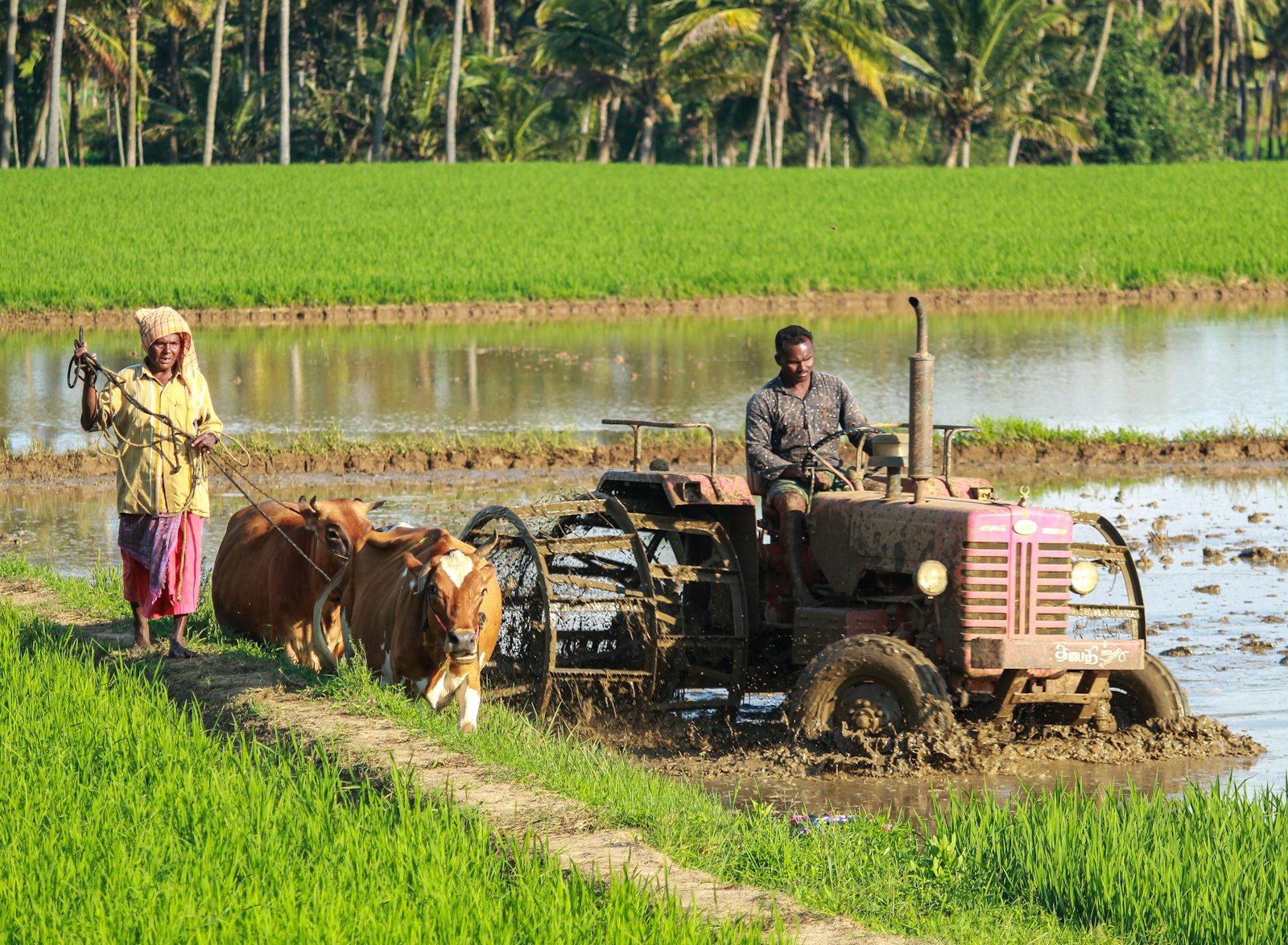
An Indian vegetable typically passes through 4–6 hands between the farm and the kitchen — village aggregator, commission agent, mandi wholesaler, secondary wholesaler, retailer, sometimes a vendor. Each hand takes a margin. The farmer earns ₹8 of every ₹100 the consumer pays. The shortest path between the two has more economic potential than any technology in farming.
Farm-to-doorstep is not a new idea. Otipy, Deep Rooted, BB Daily and Country Delight have proven that urban consumers will switch to direct procurement when freshness, price and convenience line up. But coverage is shallow, FPO integration is patchy, and most platforms still buy from the mandi behind the scenes.
BIDUA's planned platform aggregates produce from FPOs and smallholder clusters within a 150 km radius of Delhi NCR, runs an asset-light cold-chain, and delivers next-morning to households, kirana stores and Naploo properties. The thesis: the only sustainable margin in fresh produce comes from owning the first mile, not the last.
The Indian vegetable supply chain is not broken — it is fully working, for everyone except the farmer who grew the vegetable and the family who eats it.
The opportunity, on its own terms.
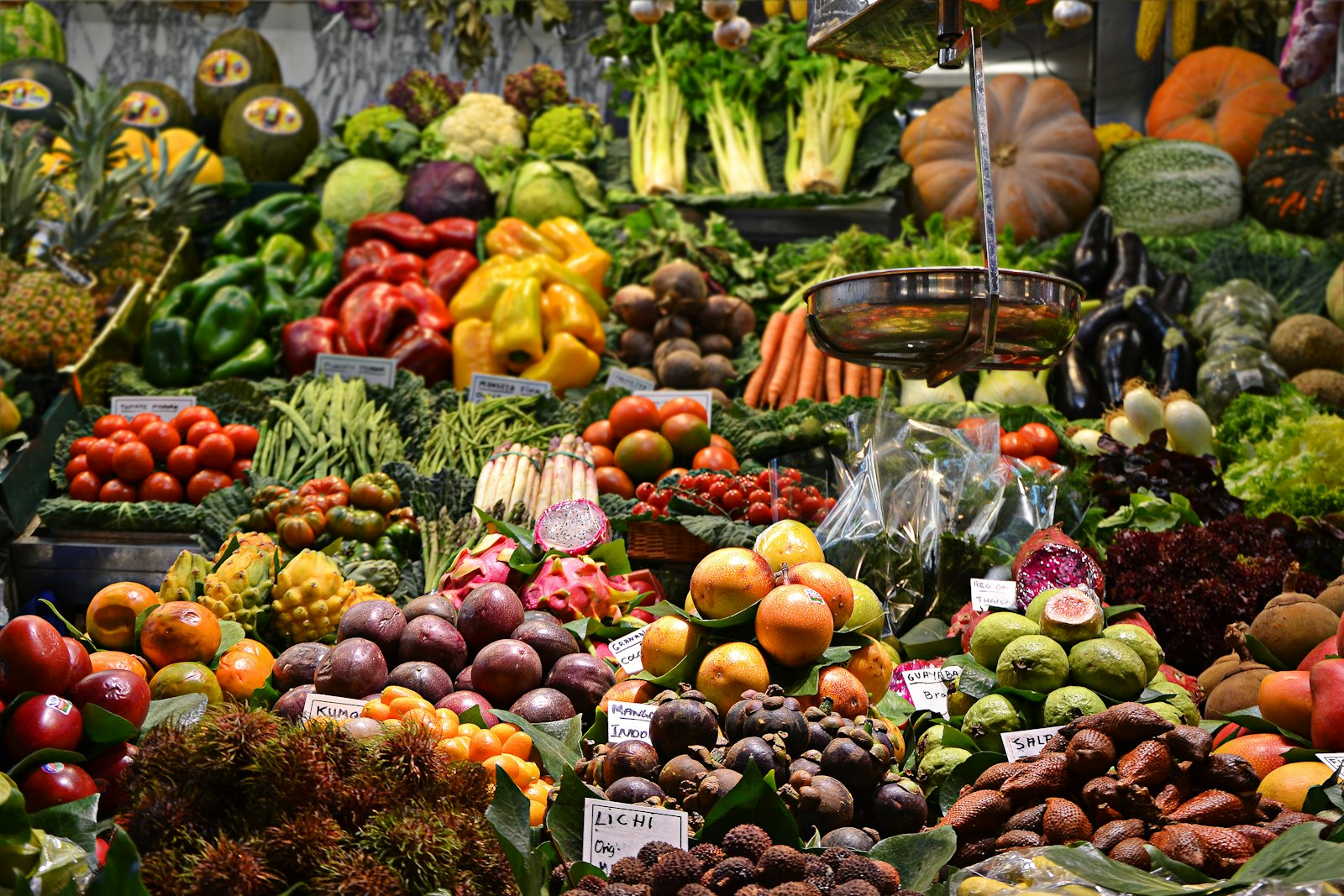
FPO infrastructure has matured.
Over 10,000 FPOs are registered under SFAC and NABARD. Many are now capable of consistent grading, packing and pickup — a precondition the previous decade lacked.
Quick-commerce taught the consumer.
Households are now habituated to next-day or same-day delivery of essentials. Vegetables are the next logical SKU class to convert.
Mandi cost stack is rising.
Mandi fees, commission, transport and labour now consume 30–45% of consumer rupee. The arbitrage for a disciplined direct platform has widened, not narrowed.
Government push is supportive.
e-NAM, PM-AASHA and the Agri Infrastructure Fund actively underwrite direct-procurement, cold-chain and FPO aggregation models with subsidies and credit.
Sized in three rings.
- Delhi NCR alone consumes 25,000+ tonnes of vegetables daily.
- Otipy, BB Daily, Country Delight, Deep Rooted have proven WTP for direct procurement.
- HoReCa segment moves another 4,000+ tonnes/day at premium prices.
- Quick-commerce platforms list 20–30% of their vegetable SKUs through mandi suppliers — the opportunity to disintermediate is real.
How it works, end to end.
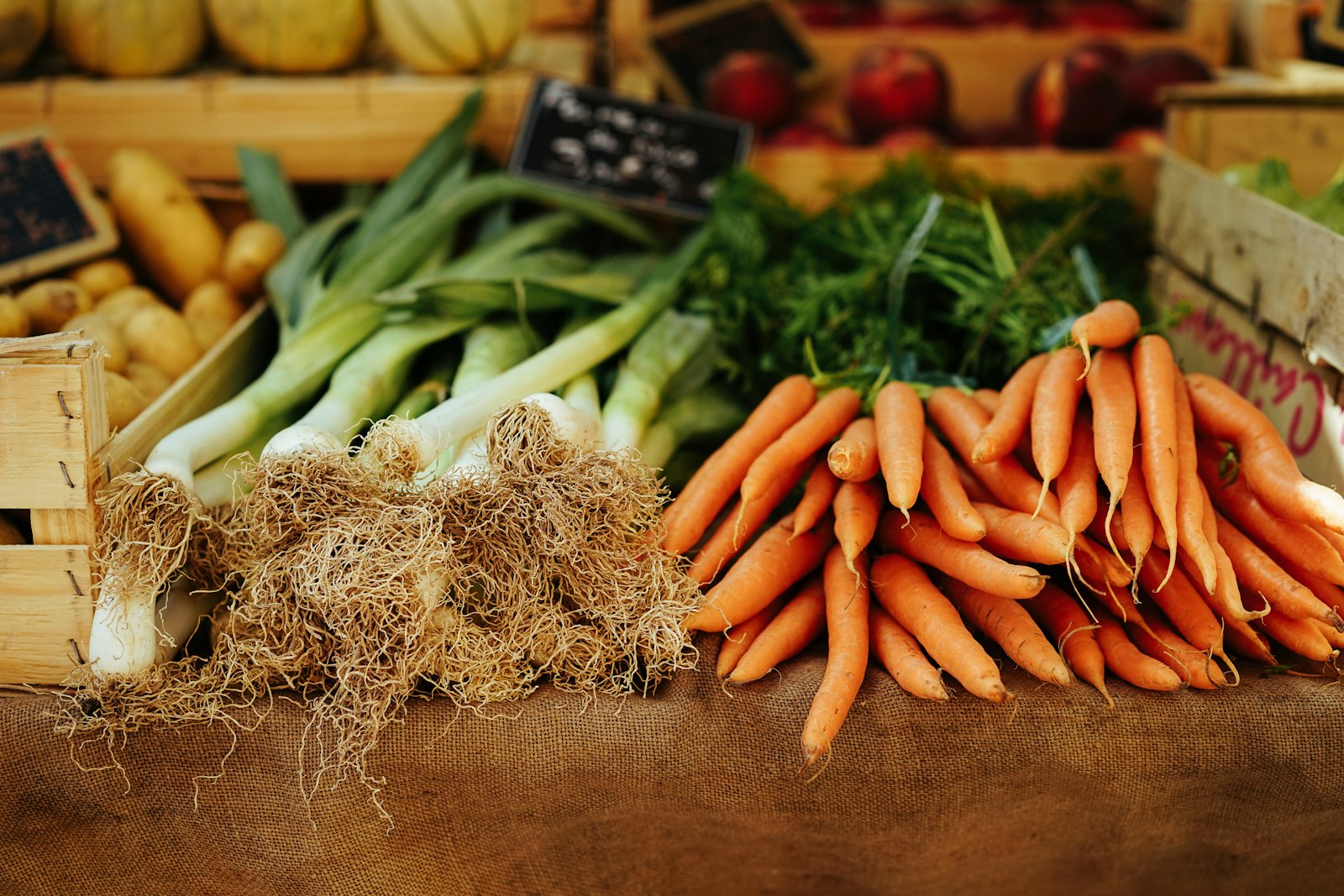
FPO + smallholder aggregation
BIDUA signs procurement agreements with FPOs and farmer clusters within 150 km of NCR (Hapur, Modinagar, Sonipat, Palwal, Aligarh belt). Daily order forecasts are pushed to FPOs by 4 PM; pickup happens overnight.
Asset-light cold chain
Pre-cooling and grading at FPO hubs. Refrigerated trucks consolidate at a single 10,000–20,000 sq ft dark warehouse in Noida. Bulk-break and pack to consumer / kirana SKUs by 4 AM.
Two-sided demand
Subscription households (daily / weekly veg boxes) form the demand base. Kirana stores and Naploo properties form the institutional layer. Together they smooth daily order forecasts.
Transparent pricing
Each SKU page shows: farm gate price, BIDUA margin, consumer price. The farmer share is visible. Trust is the moat once consumers see it.
Tech stack
Subscription app, order forecasting and FPO portal hosted on BIDUA Hosting. Payments and farmer payouts run through FinWault — same-day settlement is a major adoption lever.
Three compounding phases.
Pilot
- Subscription veg boxes (Noida + Greater Noida)
- Naploo internal supply
- Kirana wholesale tie-ups
- FPO onboarding service fees
Density
- Multi-zone NCR expansion
- HoReCa daily contracts
- Premium SKUs (organic, exotic, hydroponic)
- Q-commerce private label supply
Scale + platform
- Multi-city rollout (Bengaluru, Mumbai)
- Branded vegetable retail
- FPO financing (working capital via FinWault)
- Data products for FPOs and agritech
Patient cadence, deliberate steps.

-
Q1 2027FPO mapping + agreements in 5 NCR-adjacent districts. Dark store identified in Noida.
-
Q3 2027Pilot launches with 500 households in Noida; daily fulfilment SOPs locked.
-
Q1 20285,000 households + 50 kirana partners. HoReCa supply begins.
-
202925,000 active households across NCR. Subscription + on-demand SKUs both active.
-
203050,000 households target. First out-of-NCR city pilot.
-
2031FPO working-capital financing line via FinWault; multi-city dark-store network.
Who else is here — and why we're different.
- Transparent farm-to-consumer pricing on every SKU.
- Same-day farmer payouts via FinWault — strong FPO loyalty.
- Naploo anchor demand stabilises HoReCa order book from day one.
- Built on BIDUA Hosting + FinWault stack — lower CAC than typical agritech.
What can go wrong — and how we plan for it.
Unit economics in low-density zones
Mitigation: Zone-by-zone rollout only when density crosses break-even; kirana wholesale to densify routes.
Supply variability (seasonal gluts and shortages)
Mitigation: Multi-FPO sourcing, contract farming for staple SKUs, dynamic pricing, transparent stock-out communication.
Cold-chain failure / spoilage
Mitigation: Pre-cooling at source, refrigerated trucking, dark-store SOPs, daily wastage telemetry, insurance.
FPO drop-off / inconsistent quality
Mitigation: Standardised grading SOPs, on-ground field officers, quality-linked premium payments, multi-FPO redundancy per SKU.
Q-commerce price war
Mitigation: Subscription model lowers CAC; differentiated freshness and farmer-share narrative; HoReCa B2B layer for margin.
Connected BIDUA divisions.
Every BIDUA bet feeds something else in the group. This one connects to:
 Live
Live
Naploo™ Smart Pod Hotels
Daily vegetable supply for Naploo properties — anchor offtake from launch day.
naploo.com Live
Live
FinWault
Same-day farmer payouts and FPO working-capital lines run on FinWault infrastructure.
finwault.com Live
Live
BIDUA Hosting
Subscription app, order forecasting and FPO portal hosted on BIDUA Hosting cloud.
biduahosting.com
Questions partners and investors actually ask.
How is this different from BigBasket or Zepto?
They source heavily via mandi. We source via FPOs and direct farmer clusters, pay farmers within 24 hours, and disclose the farmer share on every SKU.
Is the produce really cheaper?
For staple vegetables, modelled retail prices come in 15–25% below organised retail because we eliminate 2–3 layers of margin. Premium SKUs (organic, exotic) are priced at parity with better freshness.
How fast is delivery?
Subscription model: vegetables picked up overnight from FPO, packed by 4 AM, delivered by 9 AM next morning. Average farm-to-doorstep is under 18 hours.
Are the vegetables organic?
By default no — they are residue-tested and traceable, not certified organic. A separate organic SKU line is on the roadmap once dedicated FPOs are signed.
How does the farmer benefit specifically?
Two clear levers: (a) 30–50% better price-realisation because mandi commissions are removed; (b) same-day settlement via FinWault instead of typical 15–60 day mandi cycles.
What is the minimum subscription?
Pilot will offer 3/5/7 days per week veg boxes from ₹350 / week. On-demand individual SKUs also available.
What if my order is unavailable?
Subscription customers get an in-app substitution or skip with refund. Seasonality is communicated upfront — we will not pretend tomatoes are cheap in July.
Better price for the farmer, fresher box for the kitchen.
We are pre-qualifying NCR households, kirana partners and FPOs for the 2027 pilot.