Vertical Agriculture
Stacked floors, LED suns and zero monsoon risk — farming returns to the city, vertically.
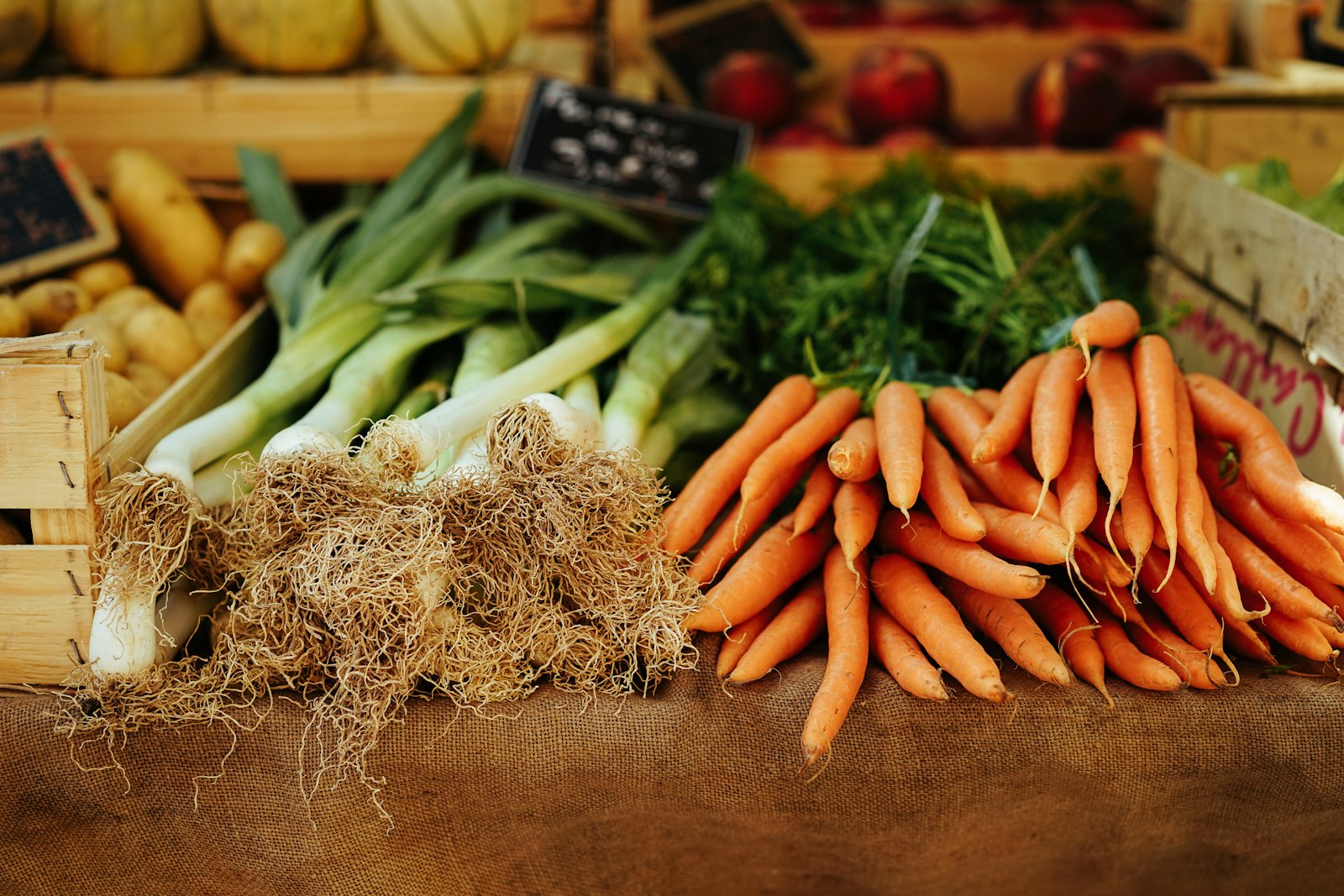
Vertical agriculture is the practice of growing crops in stacked layers inside a controlled environment — LED grow lights replace the sun, hydroponic or aeroponic systems replace soil, and climate computers replace the monsoon. The result is a farm that fits inside a warehouse and produces a salad bowl every 18 days.
India consumes leafy greens, herbs, microgreens and exotic vegetables that are mostly grown 200–800 km from the cities that eat them. By the time arugula reaches an Aerocity hotel kitchen, it has lost 40% of its nutritional value and 60% of its shelf life. BIDUA's vertical farm thesis is to grow that same arugula 8 km from the kitchen, in a building, at any temperature outside.
If validated, BIDUA Industries plans to set up pilot vertical farms in Noida and Gurugram supplying premium hotels, Naploo properties, cloud kitchens and high-end retail — with the long-term goal of a 50,000 sq ft modular farm network across NCR by 2030.
The cheapest acre in Noida is the one you stack on top of itself ten times. Vertical farming is not a gardening story — it is a real-estate arbitrage dressed in chlorophyll.
The opportunity, on its own terms.
LED economics finally work.
Horticultural LED prices have fallen 85% in a decade. The single biggest opex line in vertical farming — electricity for lighting — is now within striking distance of being competitive against premium imported produce.
Climate has broken the open field.
2024 and 2025 saw North Indian heatwaves crossing 49 C, unseasonal hailstorms and erratic monsoons. HoReCa buyers are quietly building backup supply contracts with anyone who can guarantee 52 weeks of output.
Premium HoReCa demand is real.
Lettuce, basil, kale, mint, microgreens and edible flowers move at ₹400–1,500 per kg into hotels, cafes and quick-commerce — and 70% is currently imported or air-freighted from Pune and Bangalore.
Government tailwind exists.
NHM and NHB offer 35–50% capital subsidy on protected cultivation and hydroponics infrastructure. Several state policies now treat hydroponic farms as agricultural enterprises for tax purposes.
Sized in three rings.
- Premium leafy greens move at ₹400–800/kg into 5-star hotels and Naploo-class properties.
- Microgreens (radish, sunflower, pea) sell at ₹2,000–4,000/kg into chef-driven cloud kitchens.
- Edible flowers and herbs (basil, thai basil, mint, oregano) command ₹1,500–3,000/kg in Q-commerce.
- ESG-aligned procurement: Marriott, IHG and Taj groups have public commitments to local sourcing.
How it works, end to end.
Modular grow rooms
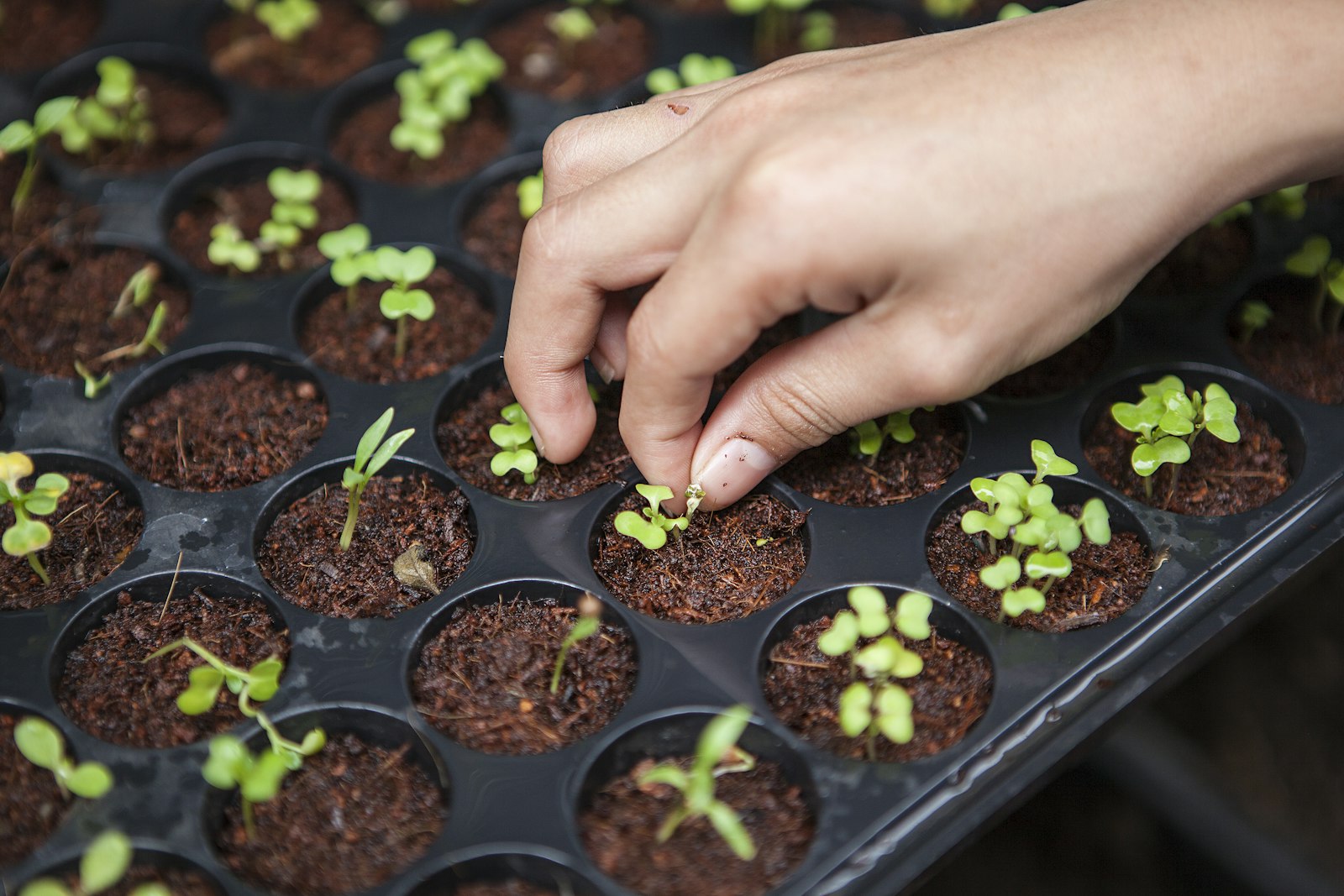
BIDUA builds standardised 2,000–5,000 sq ft grow rooms inside leased industrial warehouses on the NCR periphery (Noida Phase II, Manesar, Bhiwadi). Each room is a 10-layer NFT/DWC hydroponic stack with LED, HVAC and a central nutrient dosing system.
Crop mix optimised for margin
60% of bench space goes to high-velocity leafy greens (lettuce, arugula, kale, bok choy). 25% to herbs (basil, mint, oregano, thai basil). 15% to microgreens and edible flowers — the highest-margin slice.
B2B-first sales
We do not chase D2C. Sales go through standing weekly contracts with hotels, Naploo properties, cloud kitchens, premium caterers and a handful of Q-commerce dark stores. Predictable demand lets us tune the planting calendar.
Subscription growing
Chefs and hotel F&B teams can pre-book specific cultivars — heirloom tomatoes, wasabi rocket, purple basil — 6 weeks ahead of menu launch. Locked-in revenue, custom genetics, premium pricing.
Tech platform
A control plane built on BIDUA Hosting tracks every tray — pH, EC, light hours, yield, days-to-harvest. Same software can later be licensed to other farms as a SaaS layer.
Three compounding phases.
Pilot
- HoReCa supply contracts (₹40–80 L / mo)
- Naploo internal supply (anchor demand)
- Microgreen subscriptions to cloud kitchens
- NHM/NHB capital subsidy claims
Scale
- Multi-site warehouse network across NCR
- Q-commerce private label (Zepto, Blinkit)
- Custom-grow subscriptions for chefs
- Agri-tourism walk-throughs
Platform
- SaaS licensing of grow-control software
- Turnkey farm-build for institutions
- Branded packaged greens (retail)
- Export of high-value herbs to Gulf
Patient cadence, deliberate steps.
-
Q1 2027Engineering study + warehouse shortlist in Noida and Manesar; LED + HVAC vendor selection.
-
Q3 2027First 3,000 sq ft pilot grow room commissioned. 4 crop trials over 90 days.
-
Q1 2028Supply contracts signed with Naploo + 5 NCR hotels. First commercial harvests.
-
2028–2029Scale to 15,000 sq ft across two warehouse sites. Microgreen line goes live.
-
2030Target 50,000 sq ft active grow area across NCR. Software platform productised.
-
2031First out-of-NCR licensee farm (Bengaluru or Hyderabad). SaaS revenue stream begins.
Who else is here — and why we're different.
- HoReCa-first contracts mean predictable cash flow, not impulse retail.
- Anchor tenant inside the group — Naploo properties consume our own greens.
- Software stack built on BIDUA Hosting; eventually licenseable to other farms.
- Modular warehouse design — each unit pays back independently.
What can go wrong — and how we plan for it.
Electricity cost spikes
Mitigation: Time-of-day light scheduling, rooftop solar where landlord permits, multi-state site selection to arbitrage tariffs.
Crop failure / pathogen entry
Mitigation: Strict bio-security SOPs, airlock entries, separate room-level HVAC so a single contamination is contained.
Demand concentration in HoReCa
Mitigation: Diversify across hotels, cloud kitchens, Q-commerce and retail private label so no single buyer is more than 20%.
Capex-heavy model
Mitigation: Lease (not buy) warehouses, finance LED + HVAC via OEM credit lines, phase rollout per validated unit economics.
Commodity compression as competitors enter
Mitigation: Custom-grow subscriptions and rare cultivars keep us out of the lettuce price war.
Connected BIDUA divisions.
Every BIDUA bet feeds something else in the group. This one connects to:
 Live
Live
Naploo™ Smart Pod Hotels
Anchor offtake — fresh herbs and greens supplied directly to Naploo hospitality kitchens.
naploo.com Live
Live
BIDUA Hosting
Cloud and IoT backbone for the grow-room control plane and yield analytics.
biduahosting.com Live
Live
PersistIP
Networking and edge connectivity inside high-humidity warehouse environments.
ip.bidua.in
Questions partners and investors actually ask.
Is this really cheaper than open-field farming?
No — per kilo it is more expensive. The point is freshness, year-round availability and zero pesticide use. We sell into premium HoReCa channels that already pay 3–5x the mandi price.
What is the payback on a single grow room?
Model assumptions point to 36–48 months for a 3,000 sq ft room at full bench utilisation, before subsidy. With NHM/NHB capital subsidy it improves to 24–30 months — to be validated in pilot.
Do you use pesticides?
No. Indoor environments allow Integrated Pest Management with beneficial insects, sticky traps and strict bio-security. Our produce is third-party residue-tested.
How is this different from a polyhouse?
A polyhouse is one floor and depends on the sun. A vertical farm has 8–12 grow layers and runs 24x7 under LEDs — output per square foot is 50–350x higher.
What crops will not work?
Heavy fruiting crops (mango, banana, watermelon) and staple grains. The unit economics only close on high-value, fast-cycle greens, herbs and microgreens.
Is hydroponic produce as nutritious?
Independent studies show comparable or better nutrient density — because nutrients are dosed precisely and the produce is harvested hours before delivery, not days.
What about power outages?
Each warehouse runs on dual grid feeds with diesel + battery backup for HVAC and pump-critical systems. Lights can be cycled off briefly without crop loss.
Want a 3,000 sq ft vertical farm next door to your kitchen?
We are pre-qualifying HoReCa partners and warehouse landlords for the 2027 NCR pilot. Lock in your cultivars now.